Every piece of gear we recommend for capturing, training, and experiencing radiance fields — field-tested picks across cameras, drones, lenses, GPUs, and more.
114 products across 10 categories
What's the best 360 camera for Gaussian Splatting?
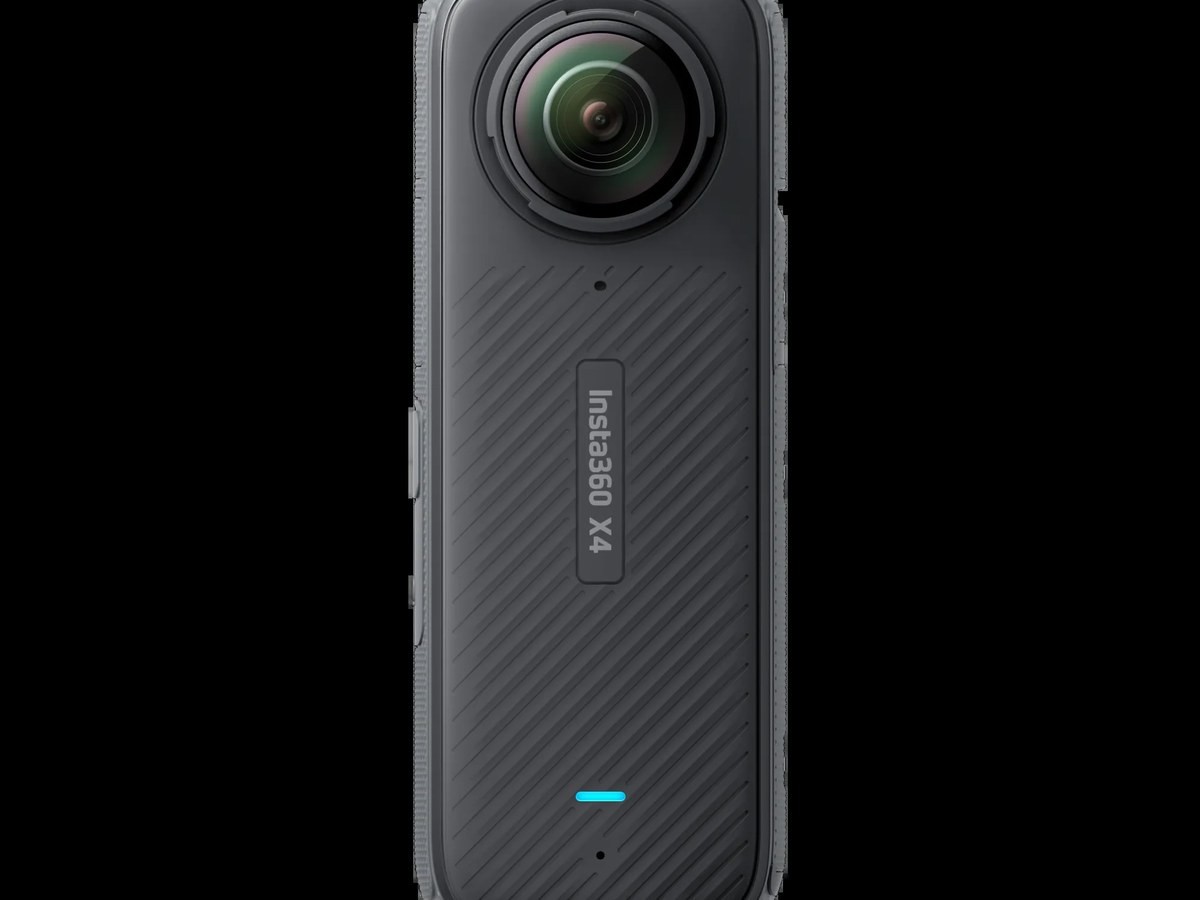
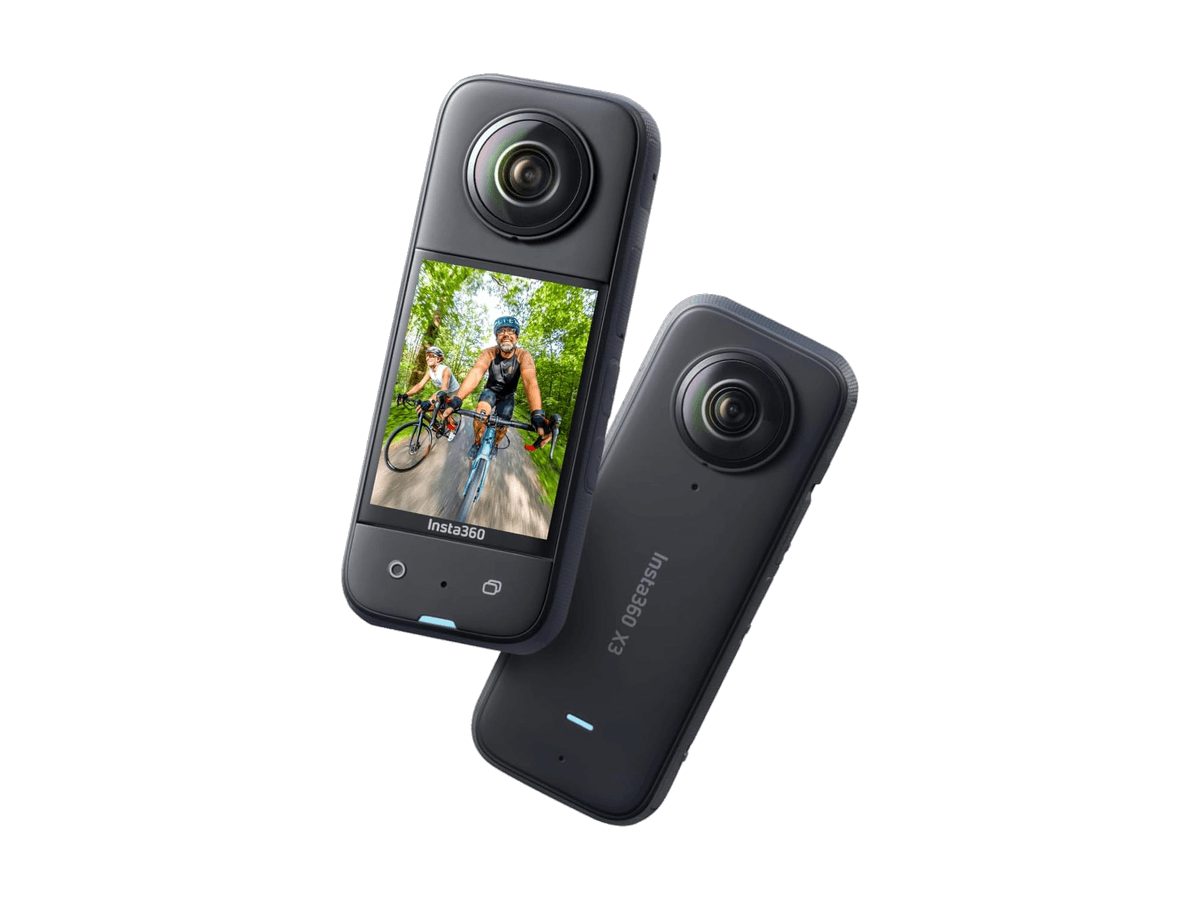
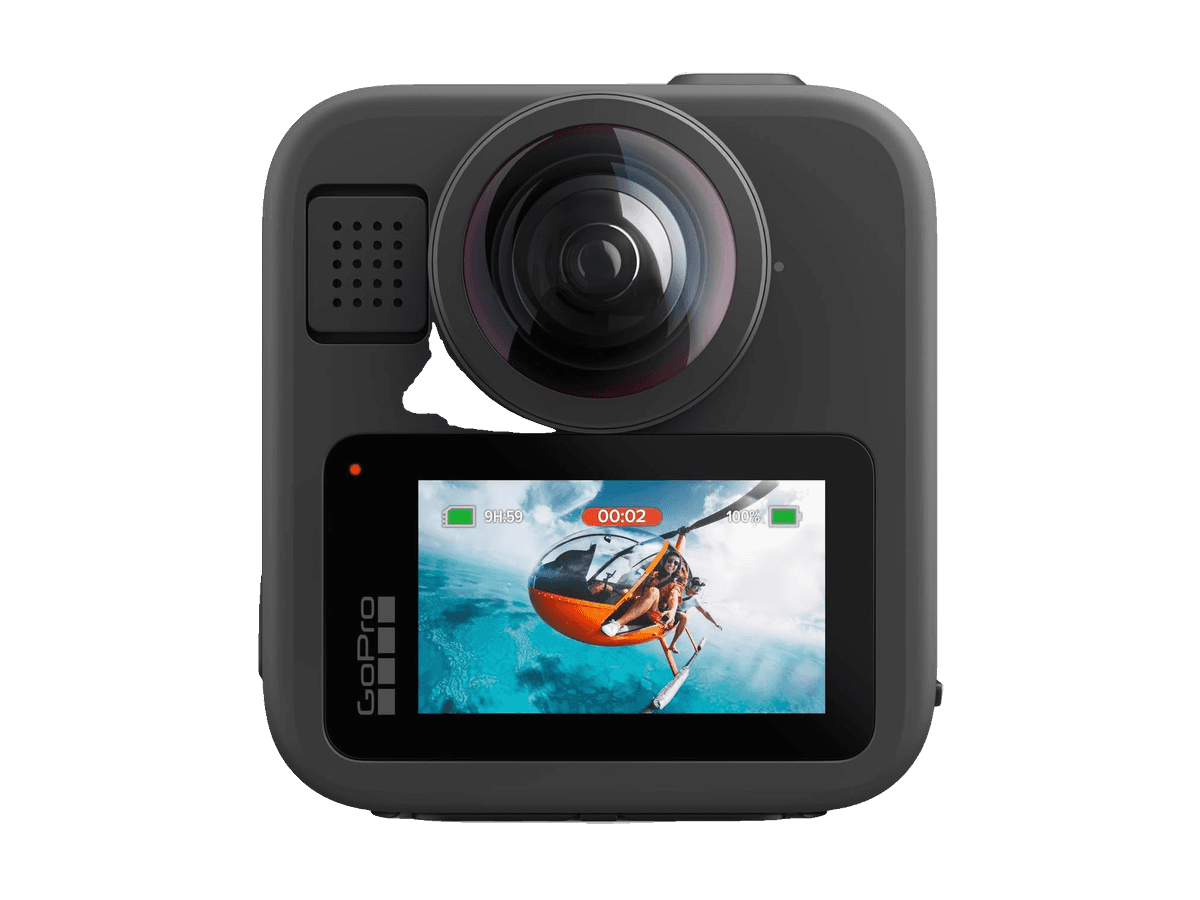
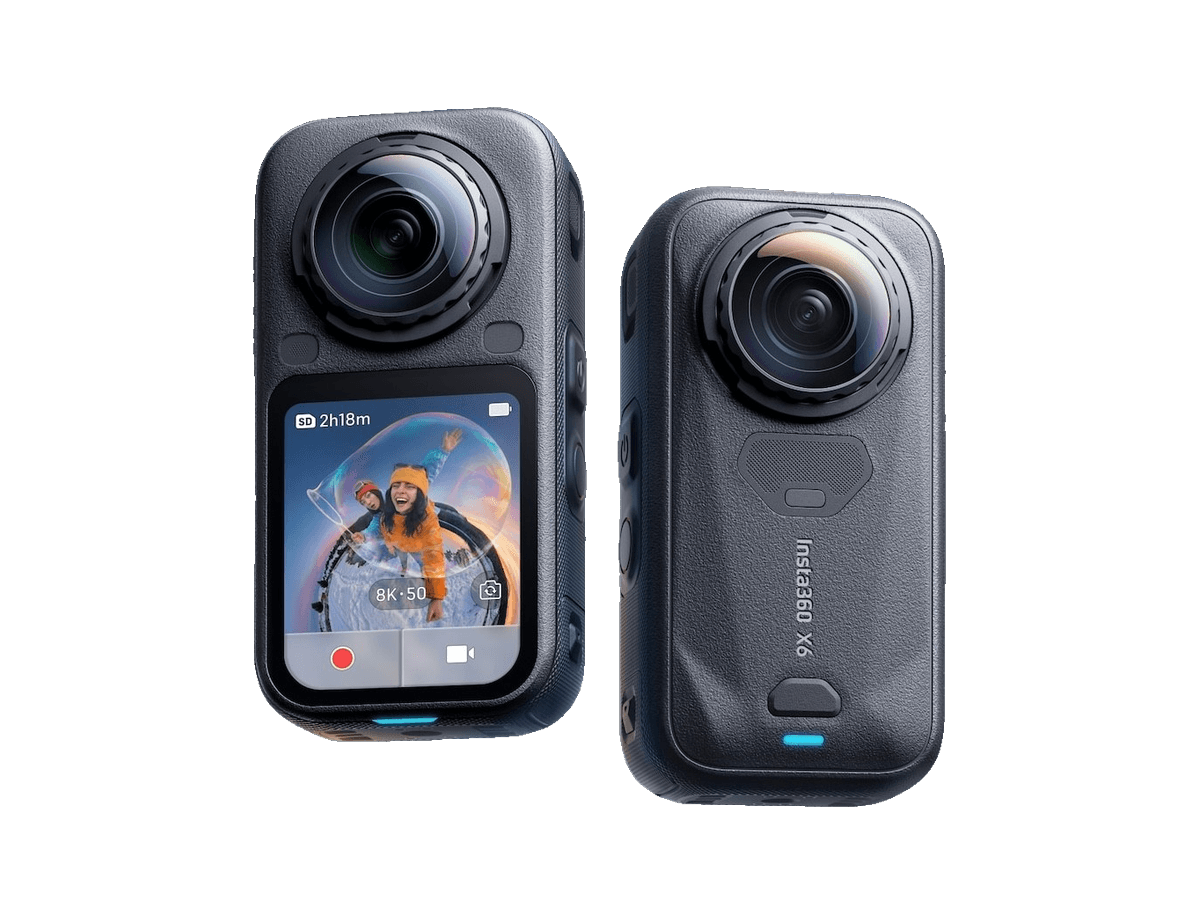
For most people, the Insta360 X6 or DJI Osmo 360 is the best 360 camera for Gaussian Splatting. A 360 camera captures every direction in a single pass, so one slow walk through a space can produce an entire dataset.
The X6 launched Spatial Capture, Insta360’s first-party feature that sends 360 footage to the cloud and returns a Gaussian Splatting model to the Insta360 app. The X5 also supports Spatial Capture in select modes.
Resolution 8K50fps 360 video at 7680x3840, and 120MP 360 stills at 15520x7760
Stabilization FlowState stabilization with 360 Horizon Lock
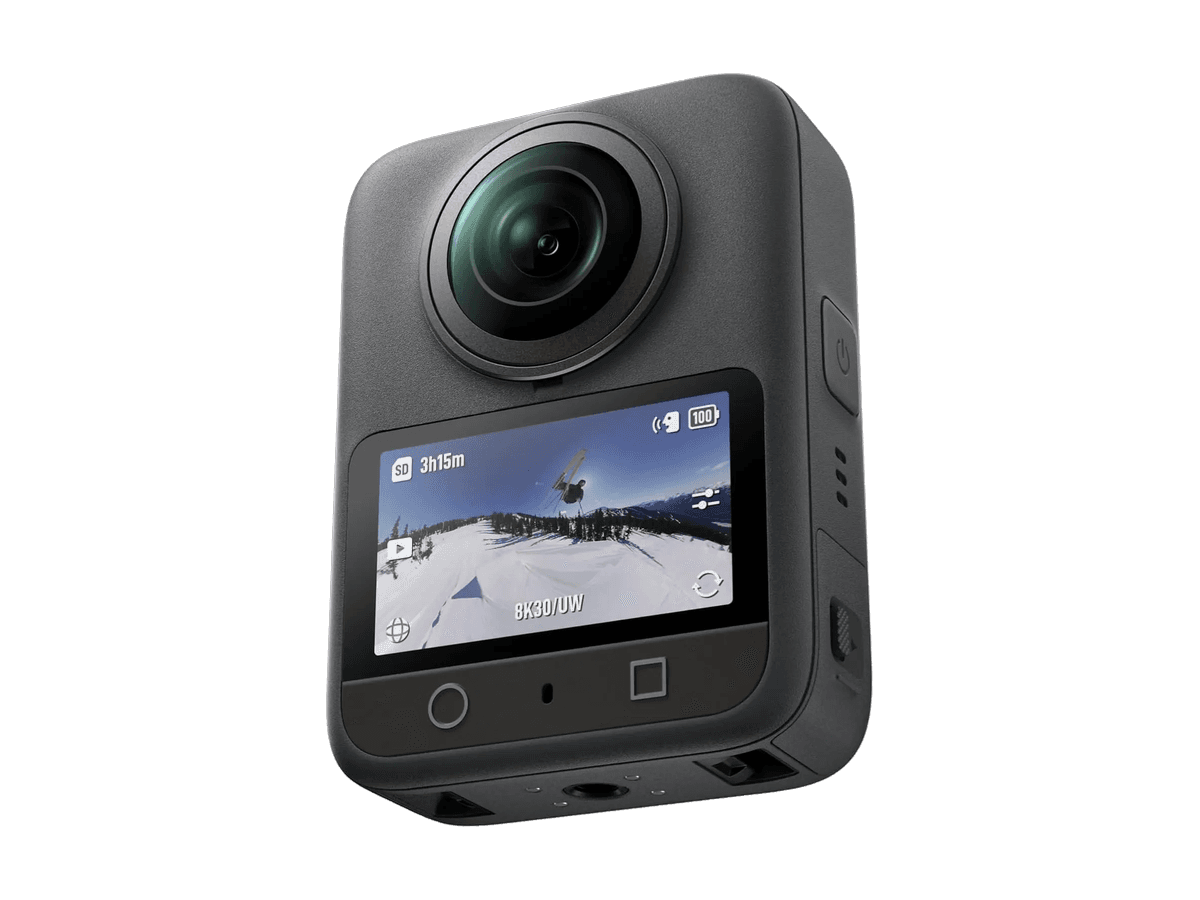
DJI Osmo 360 is a revolutionary 360 camera featuring groundbreaking 1-inch 360° imaging, designed to capture immersive, ultra-wide POV footage of your adventures.
Capture breathtaking panoramic videos in stunning 8K at 30fps with dual 1/1.28″ large sensors and enhanced low-light capabilities. Also supports Insta360 Spatial Capture, which returns a cloud-generated Gaussian Splatting model to the Insta360 app.
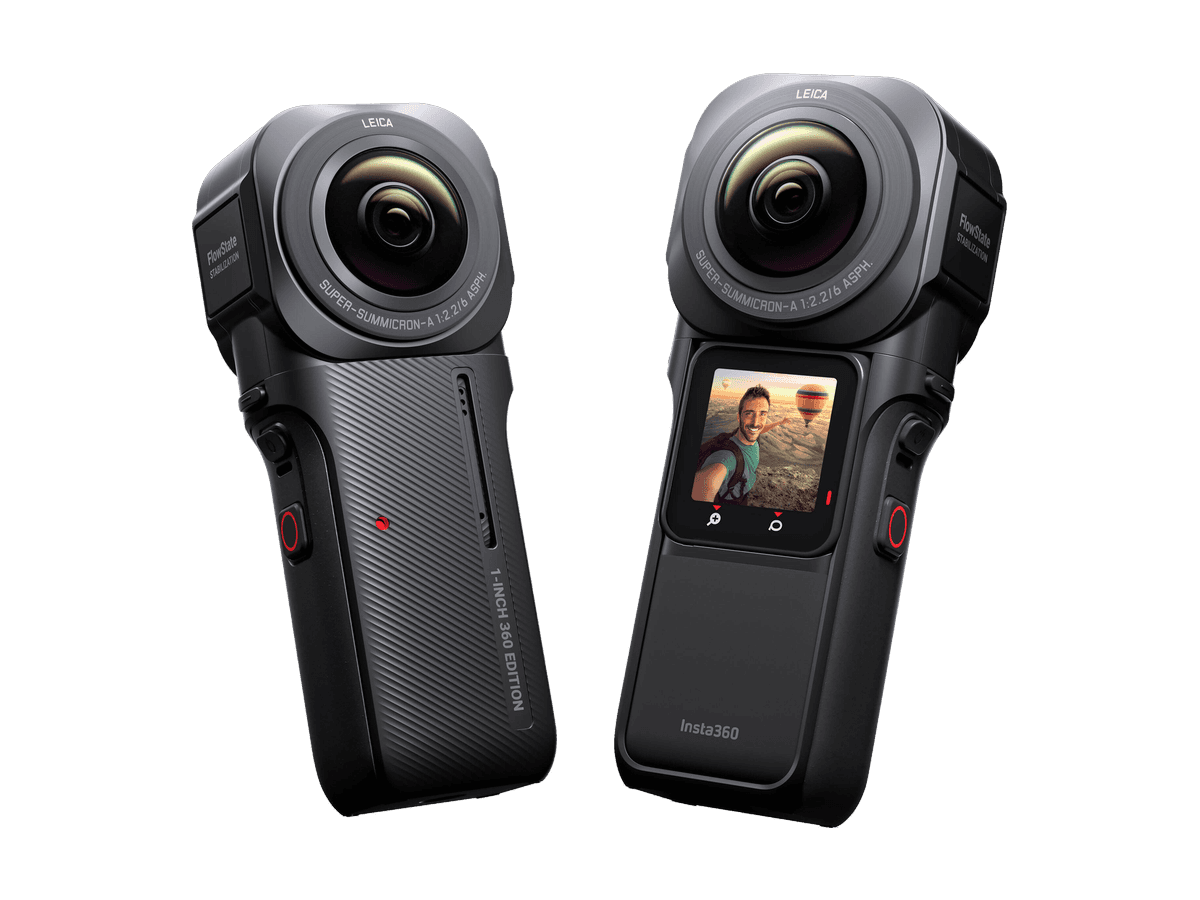
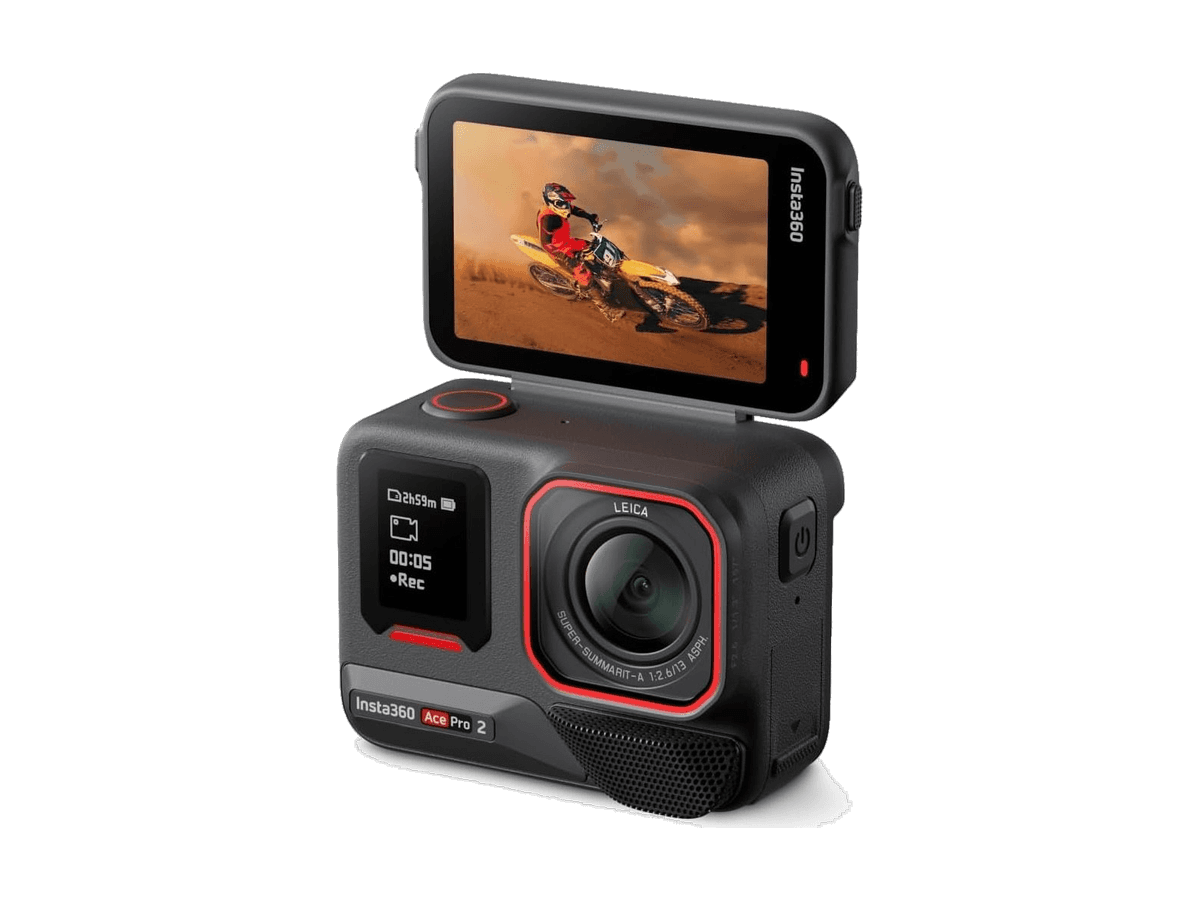
A 360 camera co-engineered with Leica, featuring dual 1-inch sensors for enhanced low-light performance, capable of capturing 6K 360-degree video and 21MP photos.
What's the best SLAM scanner for Gaussian Splatting?
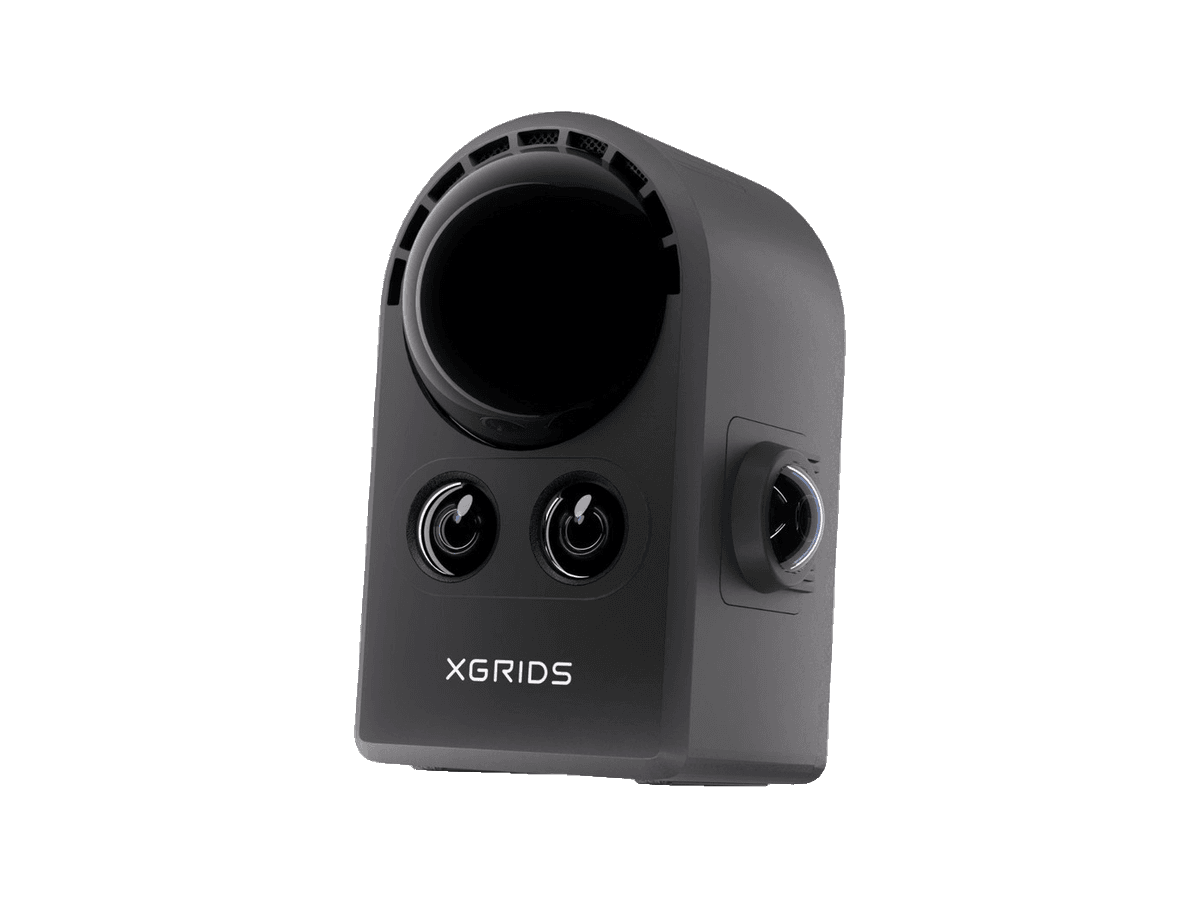
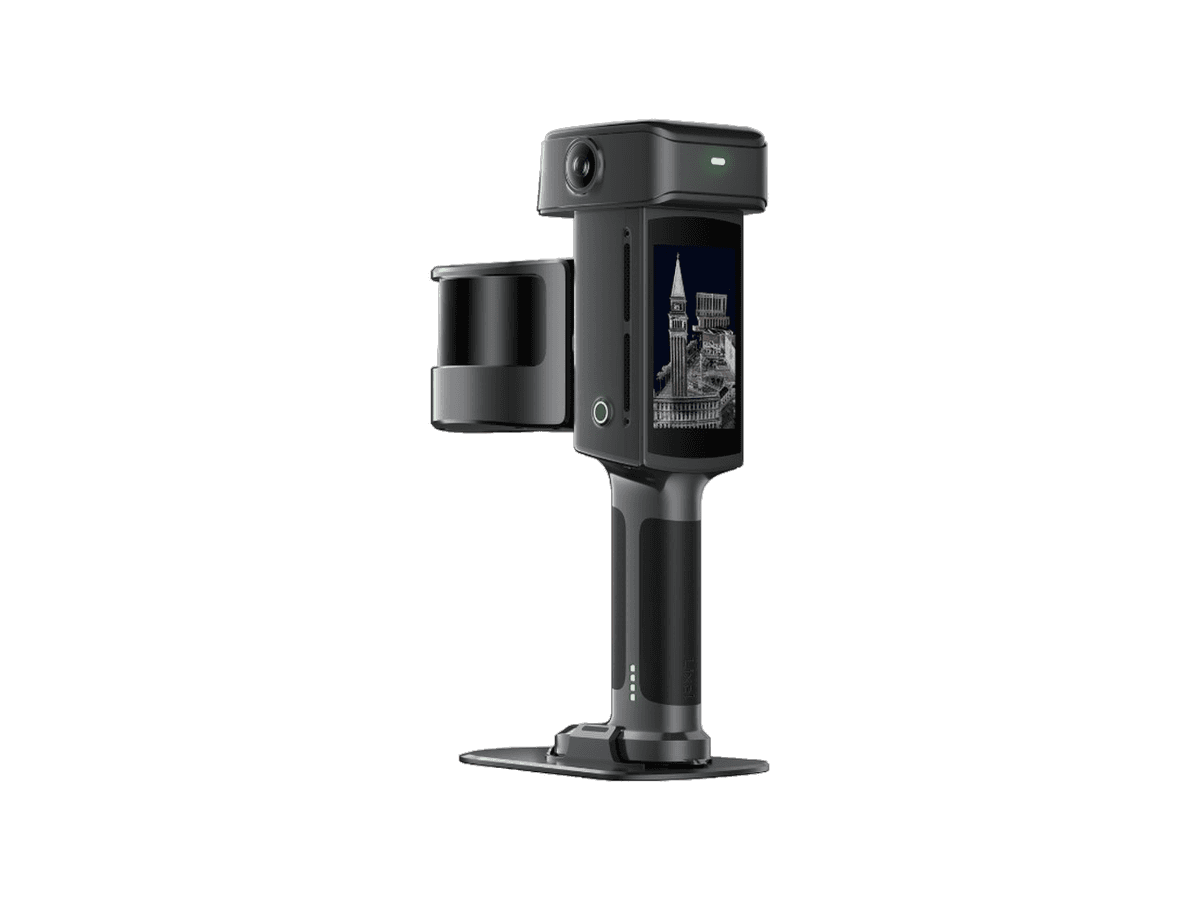
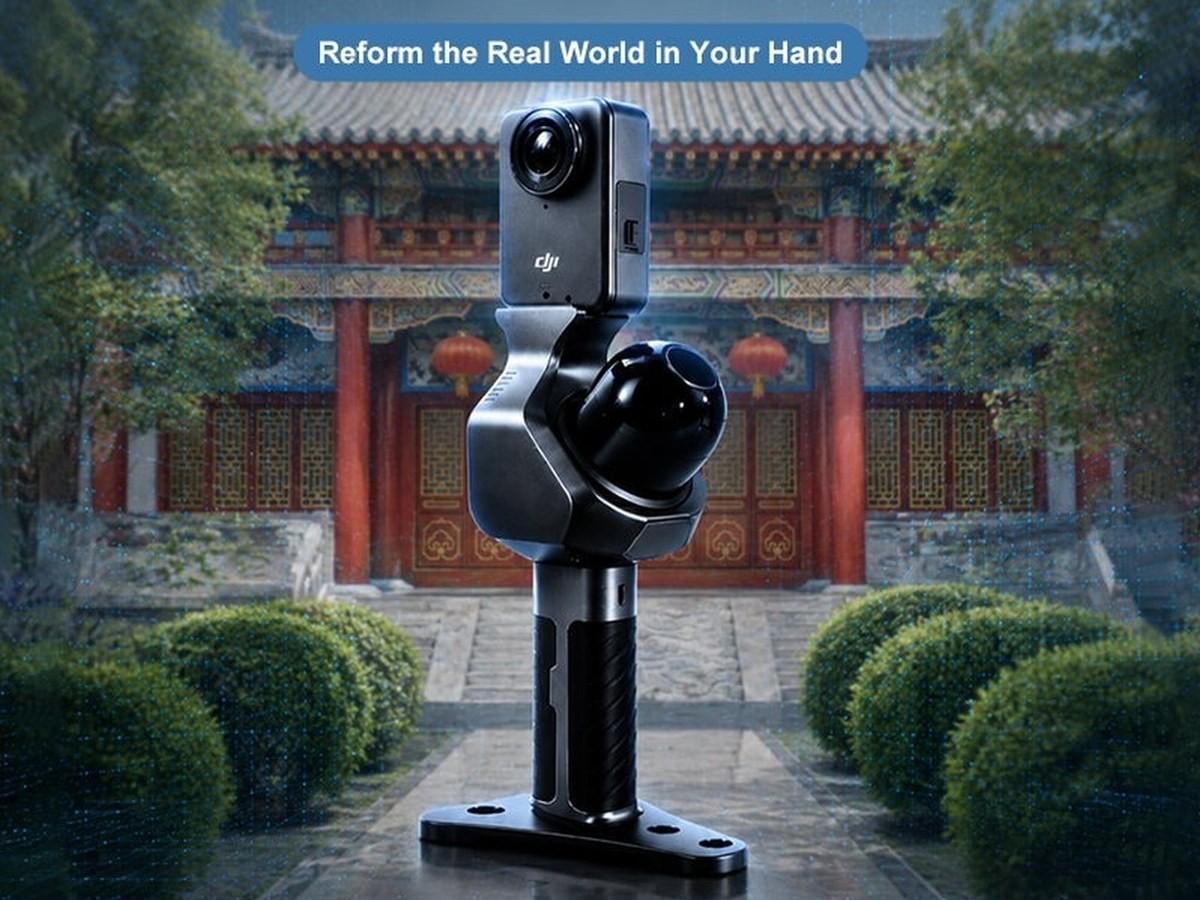
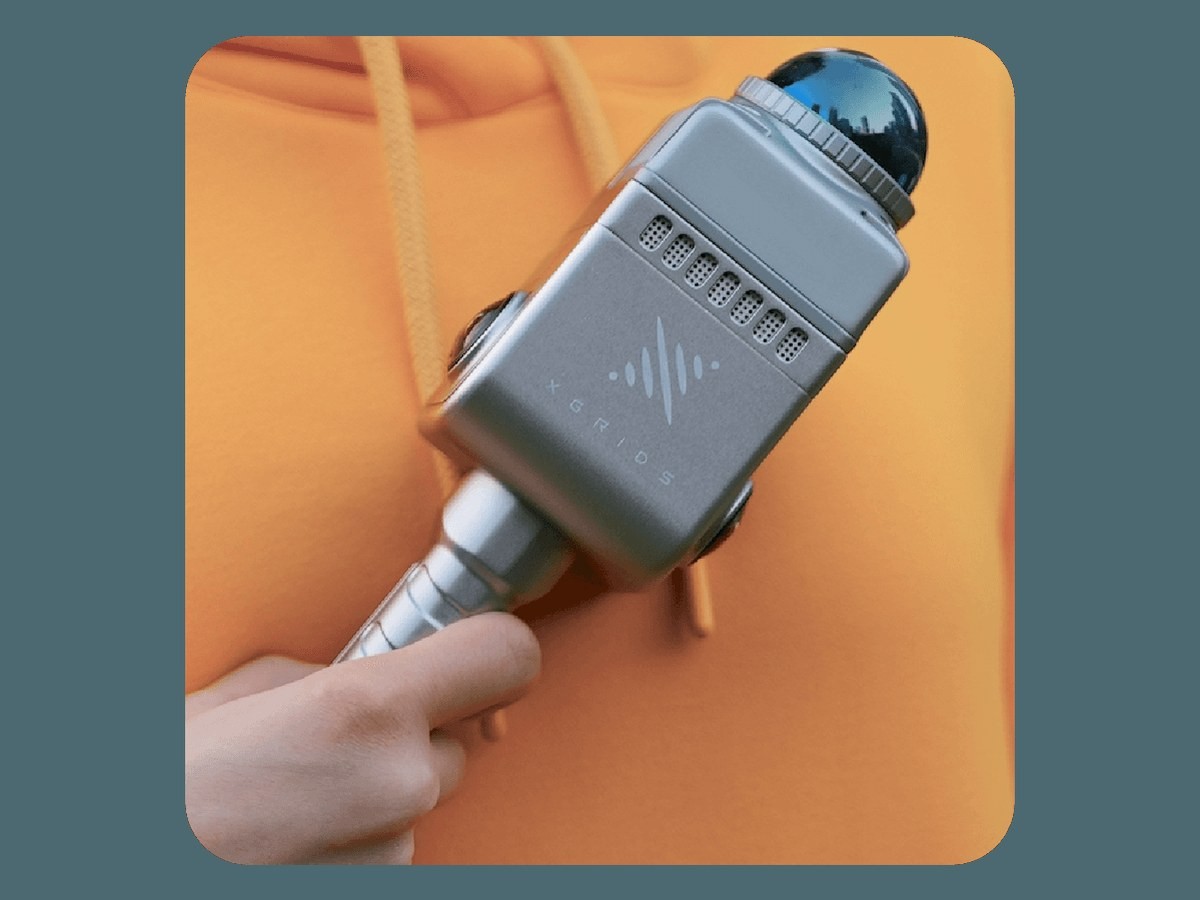
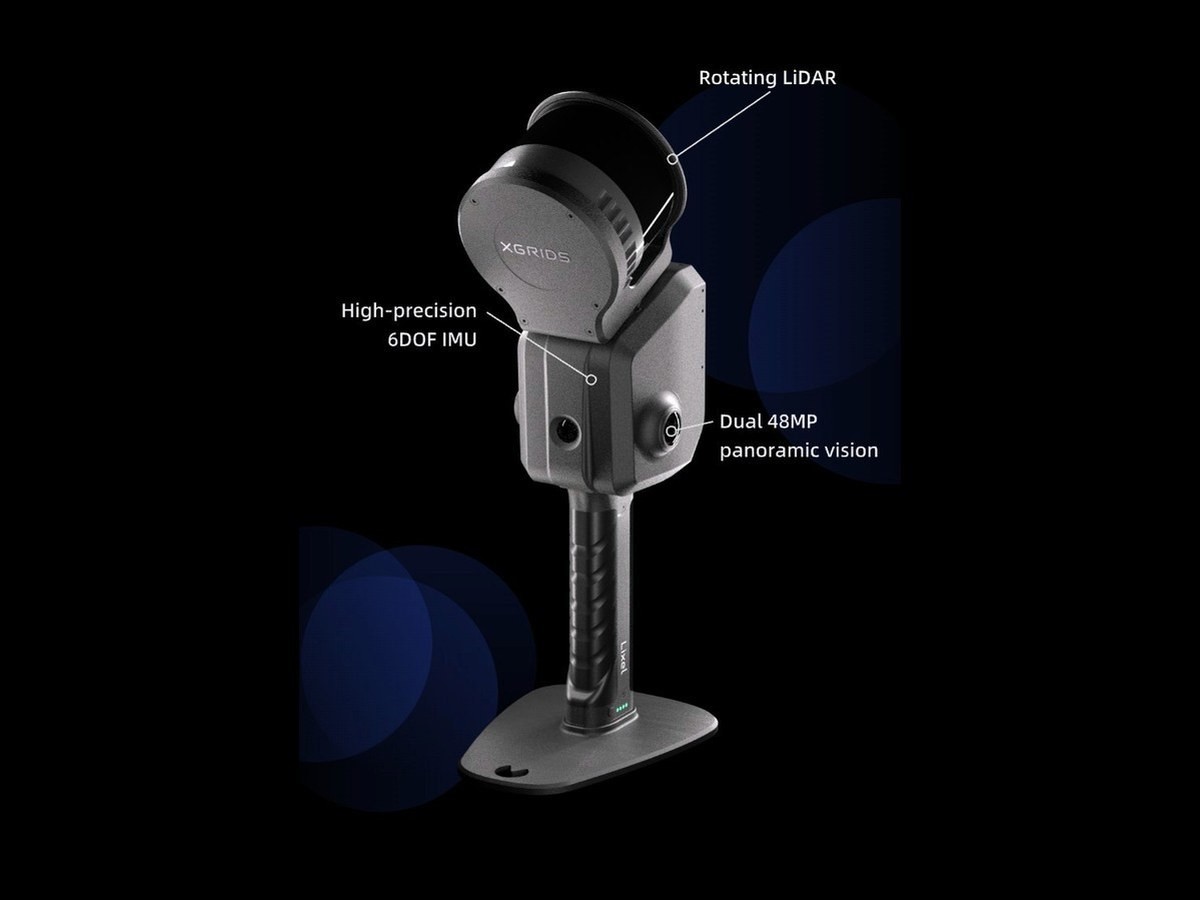
A SLAM scanner pairs LiDAR with cameras, so one walk through a space yields a point cloud and a Gaussian Splat at true scale. Every device here produces splats in its maker's own software. For most buyers the XGRIDS PortalCam is the place to start; the Lixel K2 adds built-in RTK, and the Lixel L3 is the survey-grade pick.
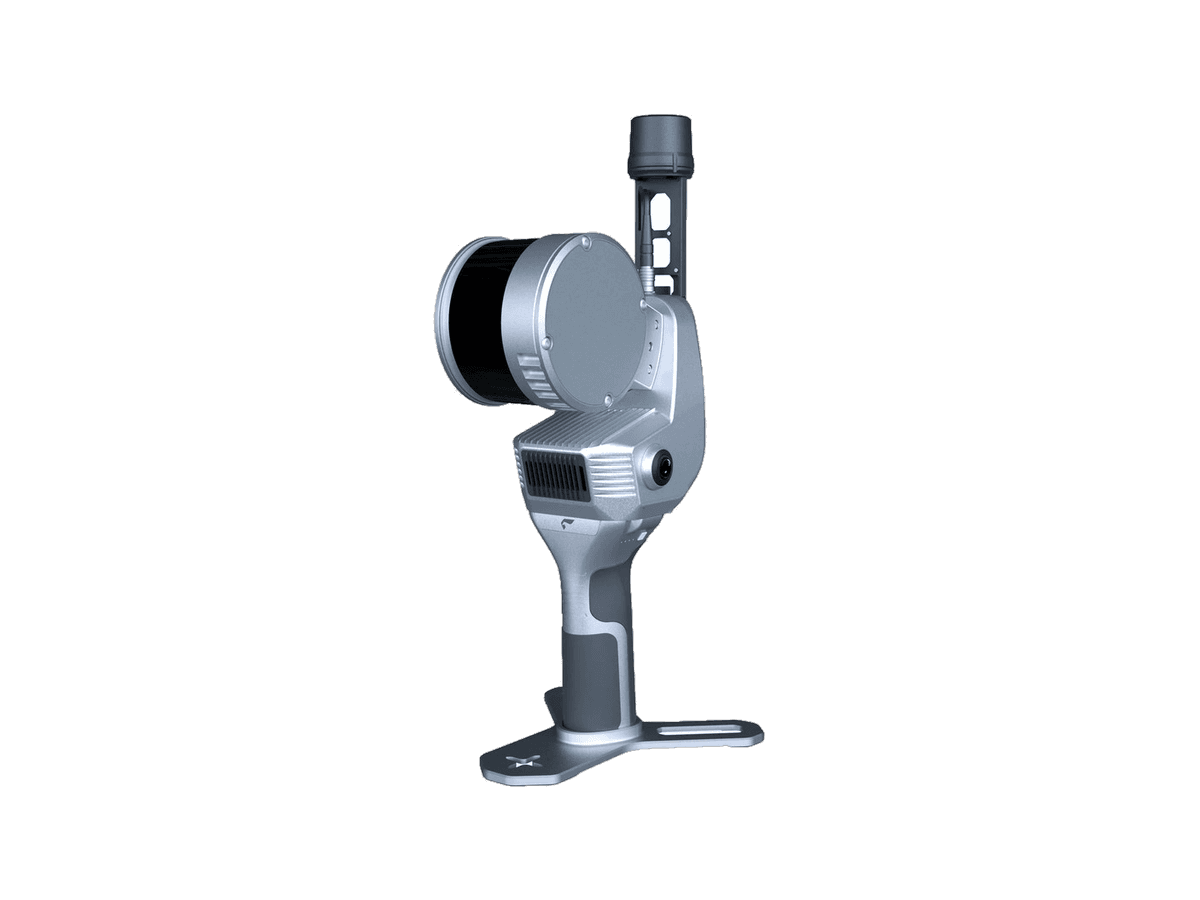
A splat-first spatial camera that pairs dual fisheye cameras with an onboard LiDAR and XGRIDS' Multi-SLAM chip, so every capture carries true scale. Scans become Gaussian Splats in LCC Studio or LCC Cloud, and Rock Robotic sells the same unit in the US bundled with a Splat Labs cloud plan.
Announced in May 2026, the K2 is the first Lixel with RTK built in, using a Unicore UM980 receiver to georeference scans at the source. Three 12MP cameras and a 200,000 point-per-second LiDAR feed LCC Studio, which handles single-model reconstructions of up to 90 minutes per scene.
Unveiled at INTERGEO 2026, the L3 delivers a true-colour point cloud, a mesh and a Gaussian Splat from a single pass, with 5 mm relative accuracy measured against a total station. A 120 m LiDAR at 640,000 points per second, a 1/1.3-inch 4K HDR camera and integrated RTK feed an upgraded Lixel CyberColor pipeline.
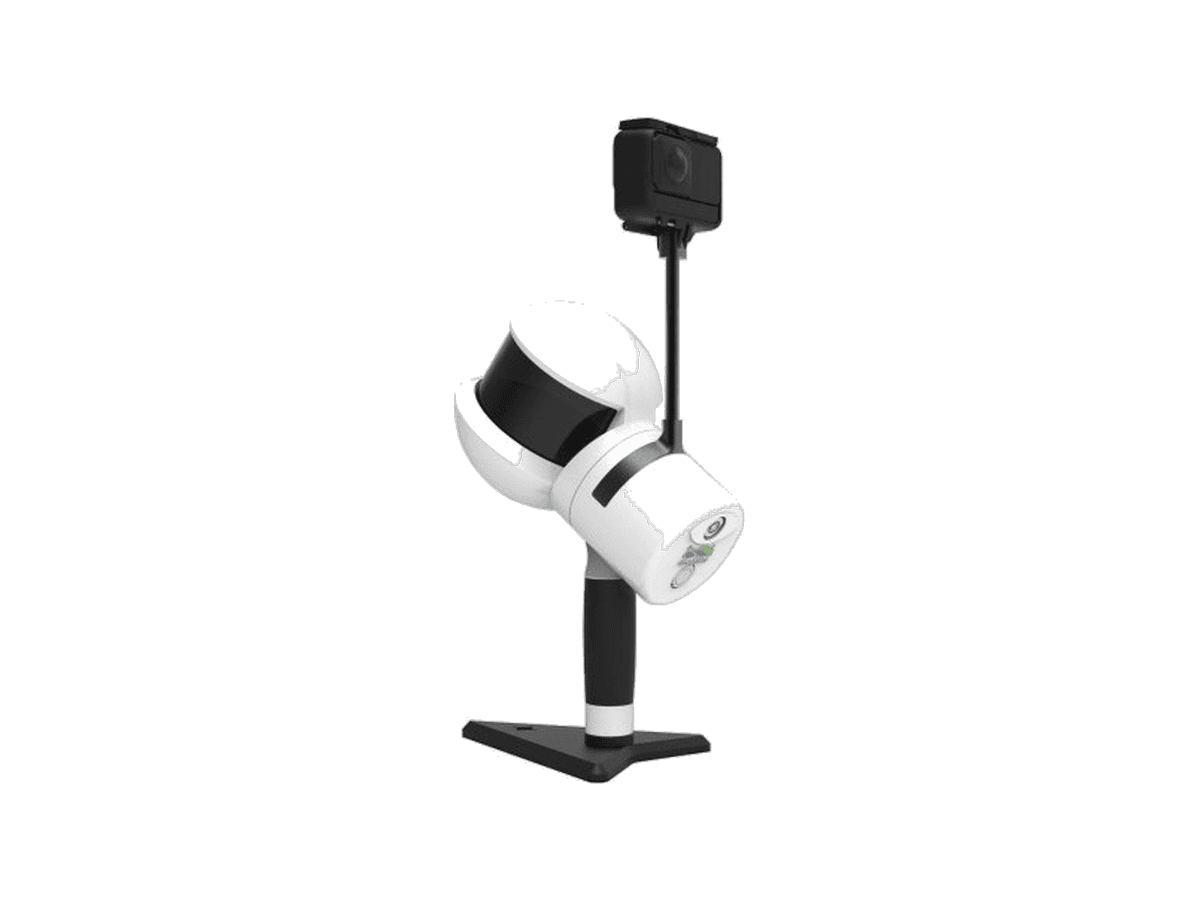
A 700 g 16-channel LiDAR SLAM scanner with no camera of its own: a DJI Osmo 360 or Insta360 X4, X4 Air or X5 clips onto the mount and supplies the texture. The bundled SLAM GO POST Pro trains the splat on the LiDAR trajectory with a lifetime-free license, and Topodrone and Foxtech resell the same hardware.
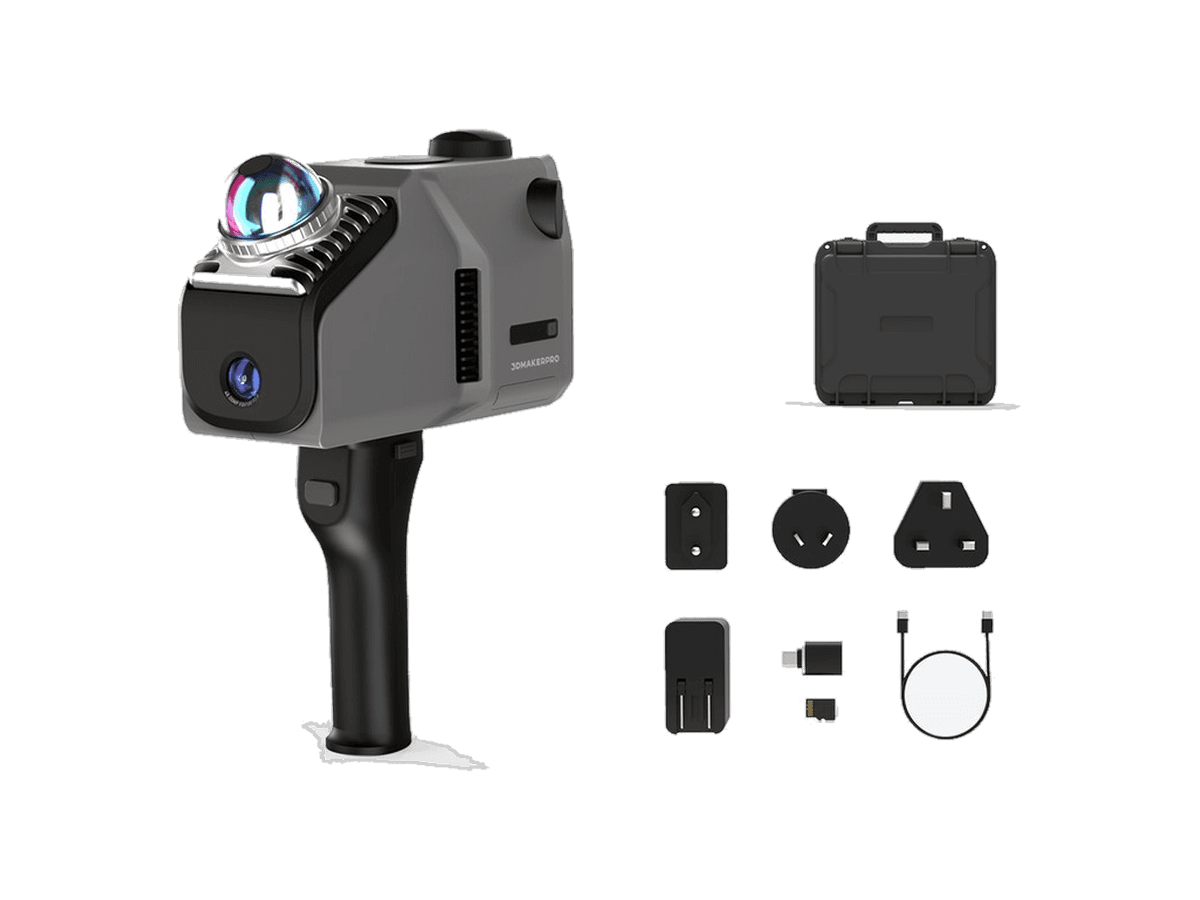
The most affordable LiDAR handheld with a first-party splat pipeline. A single 48MP camera rides on a 200,000 point-per-second scanner with a 70 m working radius, and RayStudio on the desktop turns the scan into a Gaussian Splat PLY. An RTK module is optional.
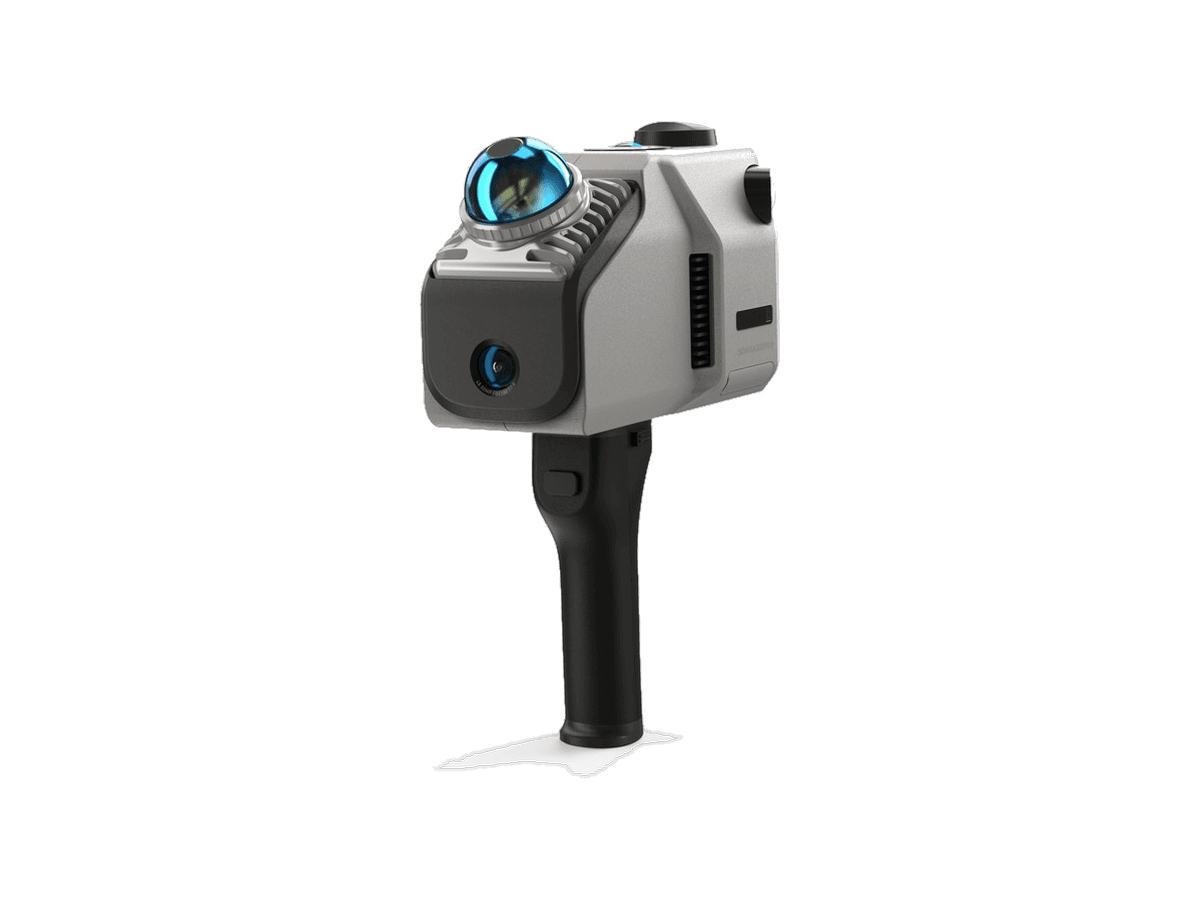
The same 1.5 kg scanner as the Eagle with four 48MP cameras stitching an 8K HDR panorama, which gives RayStudio far more texture to train splats from. Consumer-grade accuracy at around 2 cm per 10 m, with the RTK module available as an add-on.
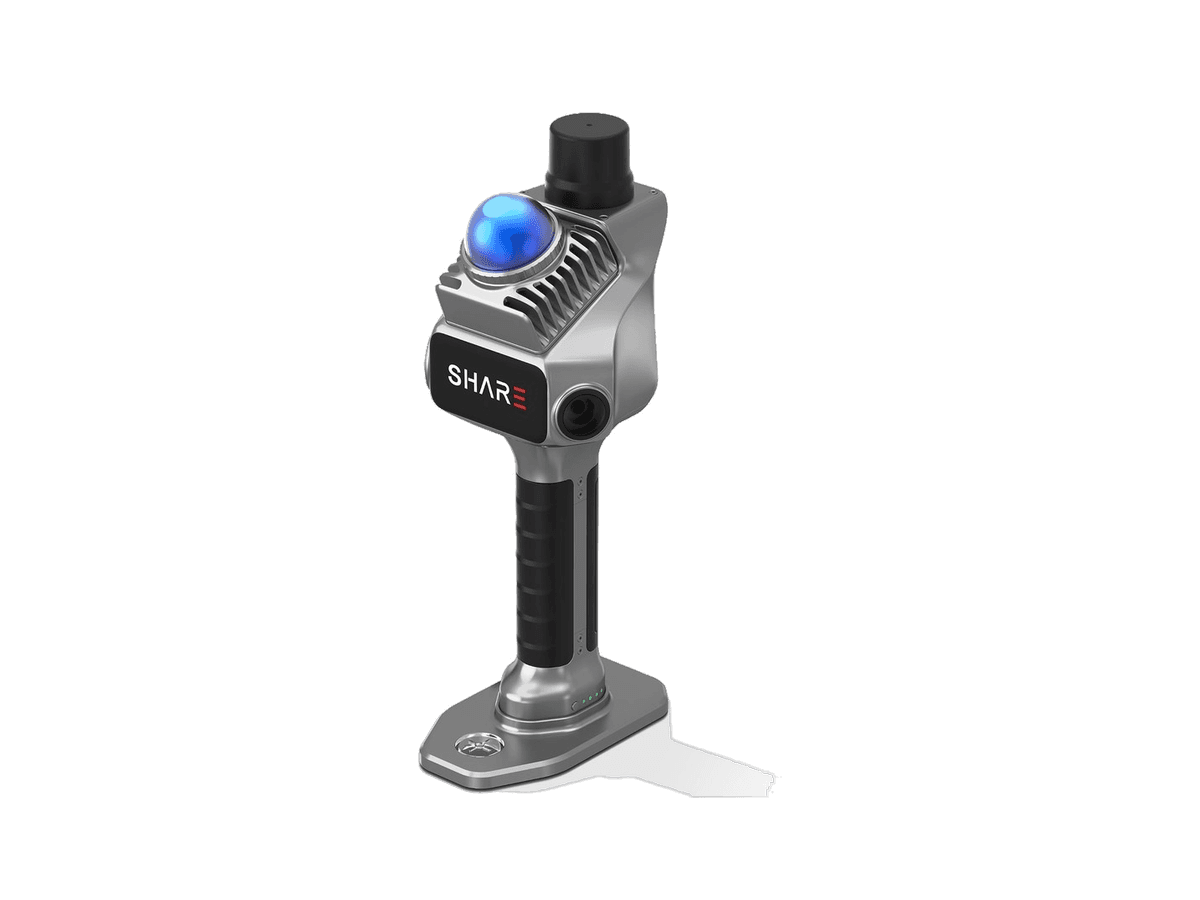
SHARE3DCAM's entry scanner keeps the S20's LiDAR, range and accuracy in a 955 g body and swaps the 1-inch cameras for a pair of 2.3MP global-shutter units. SHARE PointClouds Studio reconstructs point clouds and 3DGS scenes for free, and an RTK version with a detachable module is sold separately.
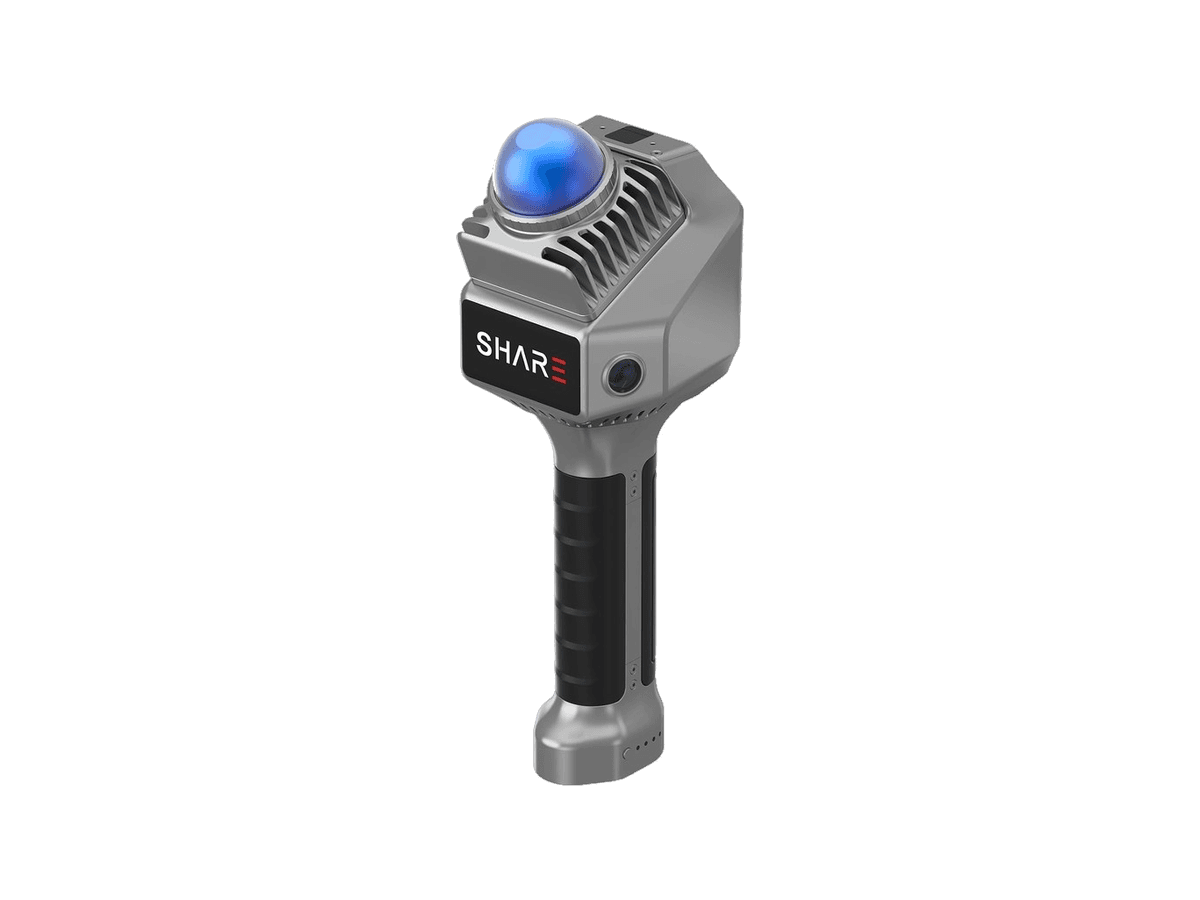
A 1,079 g handheld with built-in RTK as standard and two 1-inch 16MP mechanical-shutter cameras that write pose data into every frame. SHARE PointClouds Studio, free for owners, turns a scan into a point cloud, CAD drafts and a 3DGS scene, with roughly 150 minutes per battery.
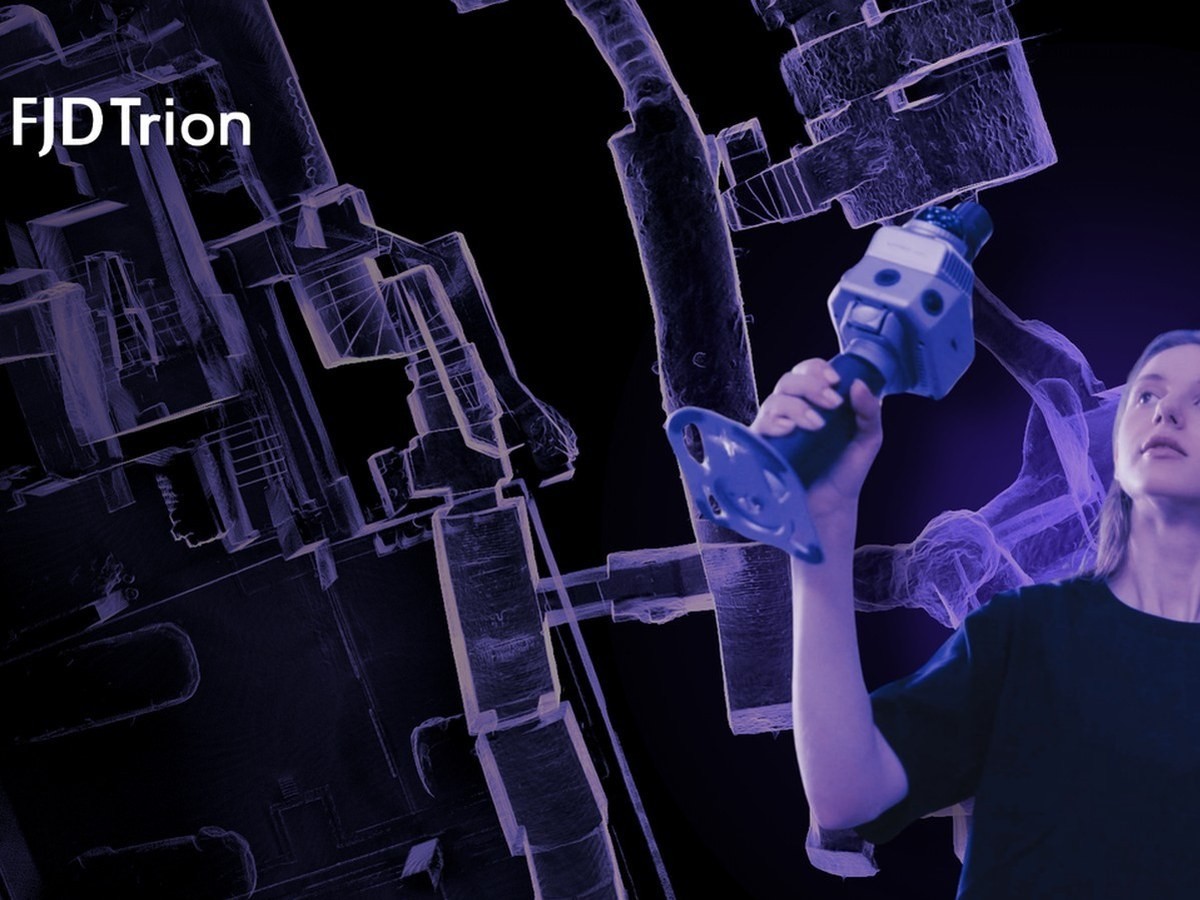
FJD's 1 kg entry handheld scans at 200,000 points per second to 40 m at 10% reflectivity, with an Insta360 camera and a GNSS module as optional add-ons. Scans upload to Trion Model Web, where the point-cloud-to-3DGS step produces the splat.
The P2 adds two 48MP side cameras and a front camera to the P1's LiDAR, with RTK positioning at 8 mm plus 1 ppm and four hours from dual batteries. FJD lists 3D Gaussian Splatting among its deliverables, reconstructed in Trion Model Web from the posed imagery.
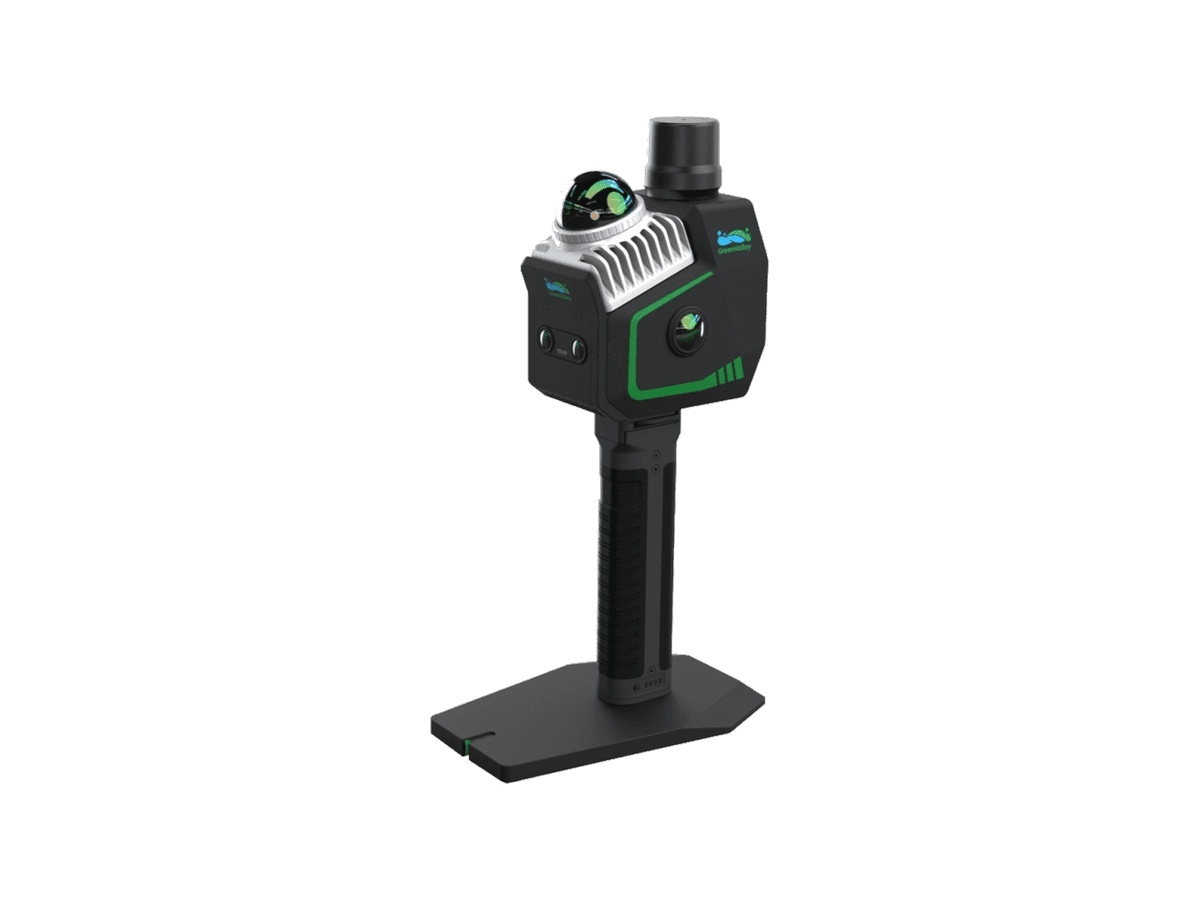
A 1.3 kg handheld with two 12MP panoramic cameras and two visual-SLAM cameras that keep tracking stable in feature-poor spaces. GreenValley's LiDAR360MLS fuses LiDAR and imagery into Gaussian Splats and exports them as .lisplat or .ply, with RTK built into the grip.
The lightest Lixel at 1 kg, built around dual 48MP panoramic cameras that cover a full 360° by 360° sphere, which makes it the imaging-quality pick for interiors and heritage work. LCC Studio produces the splat, and RTK is available as an optional kit.
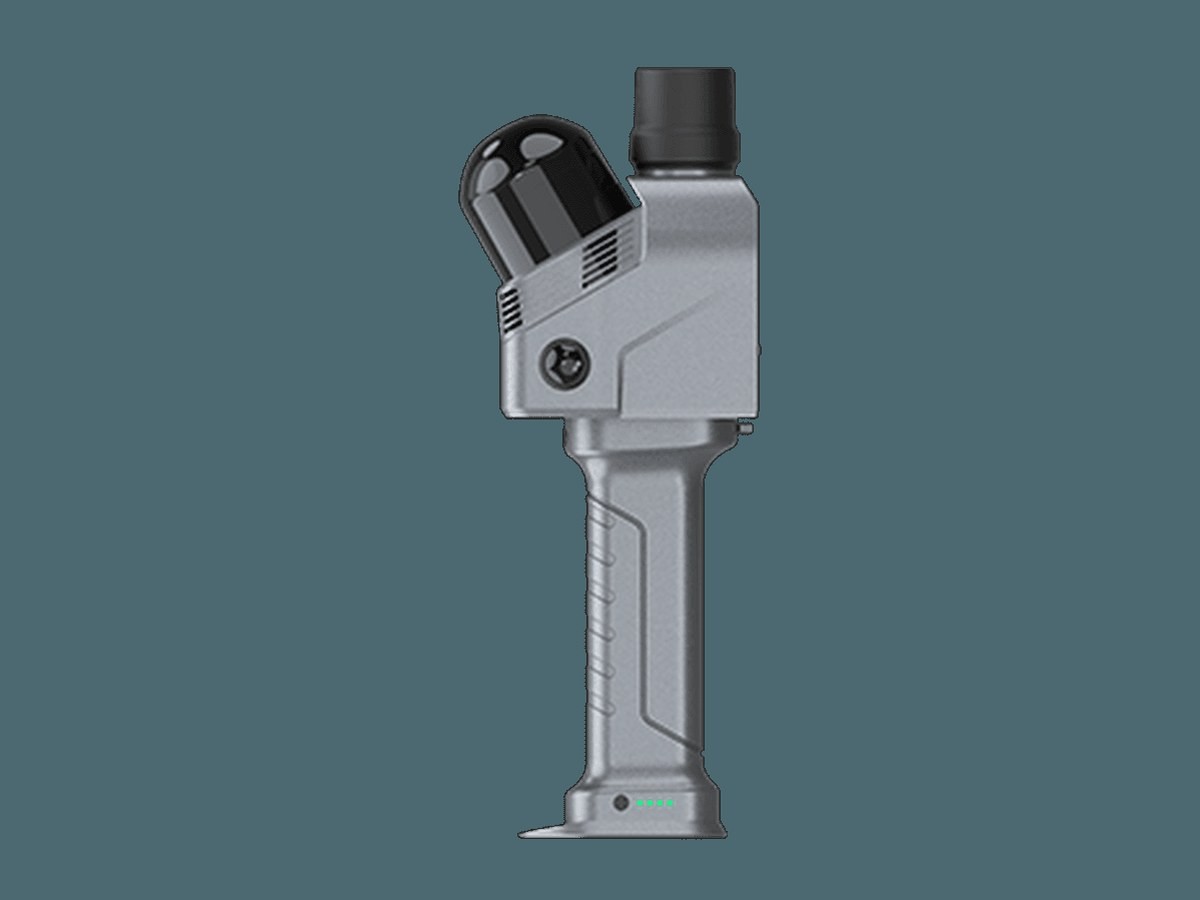
The long-range Lixel comes in 16- and 32-channel variants reaching 120 m or 300 m at up to 640,000 points per second. It is the tier XGRIDS pairs with LCC Studio Premium, adding Map Fusion for multi-session scenes, aerial-ground fusion and the Revit plugin.
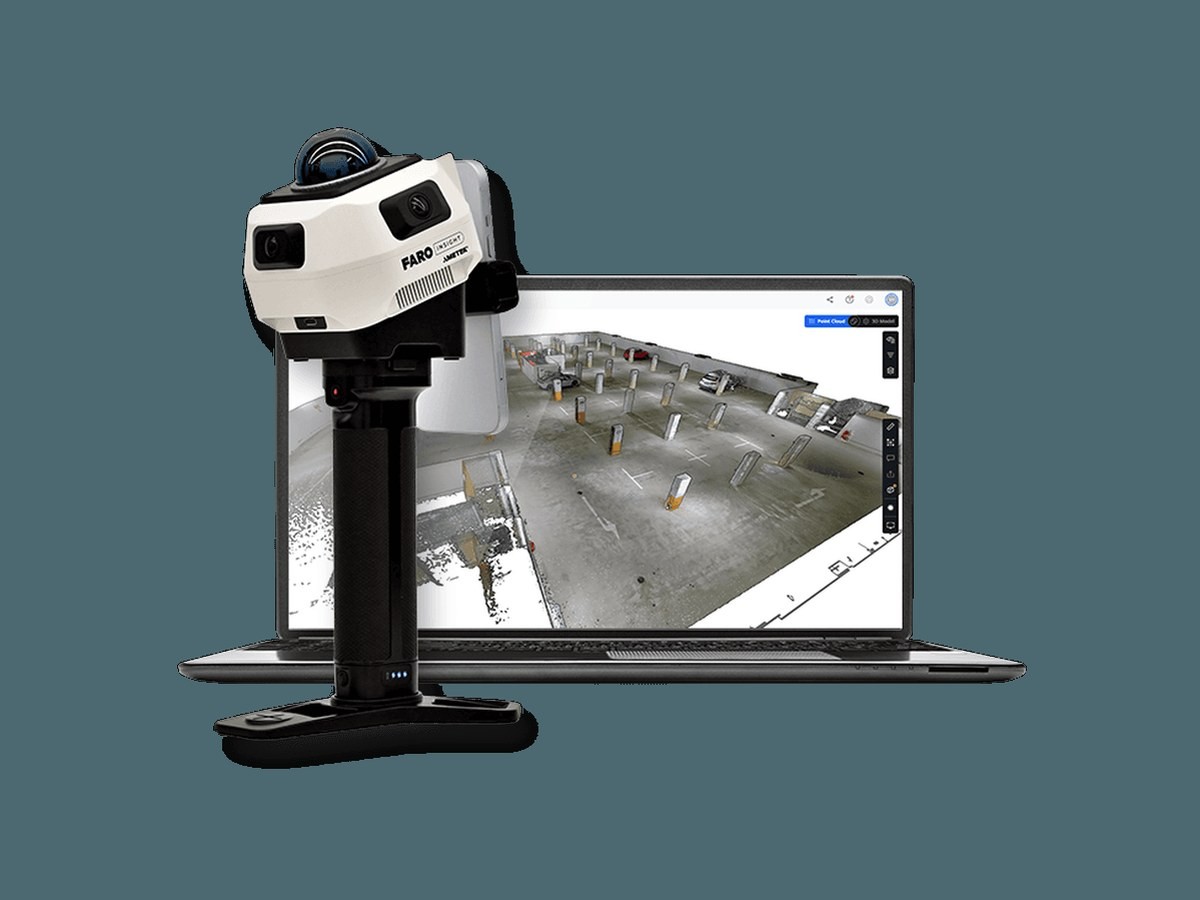
FARO INSIGHT's walk-and-scan package combines visual and LiDAR SLAM in a 1.24 kg handheld, with GNSS, panoramic and close-up imaging in a separate accessory pack. Gaussian Splats are trained in the cloud in Sphere XG, and the device ships with a three-year Sphere XG and SCENE subscription.
A 925 g scanner with a rotating 360° head, 70 m range and roughly 6 mm relative accuracy. Panoramas come from an Insta360 or DJI Osmo 360 mounted on top, and Stonex's new Cube-3D Genesys software, which replaced GOpost in 2026, exports Gaussian Splats as .ply alongside the point cloud.
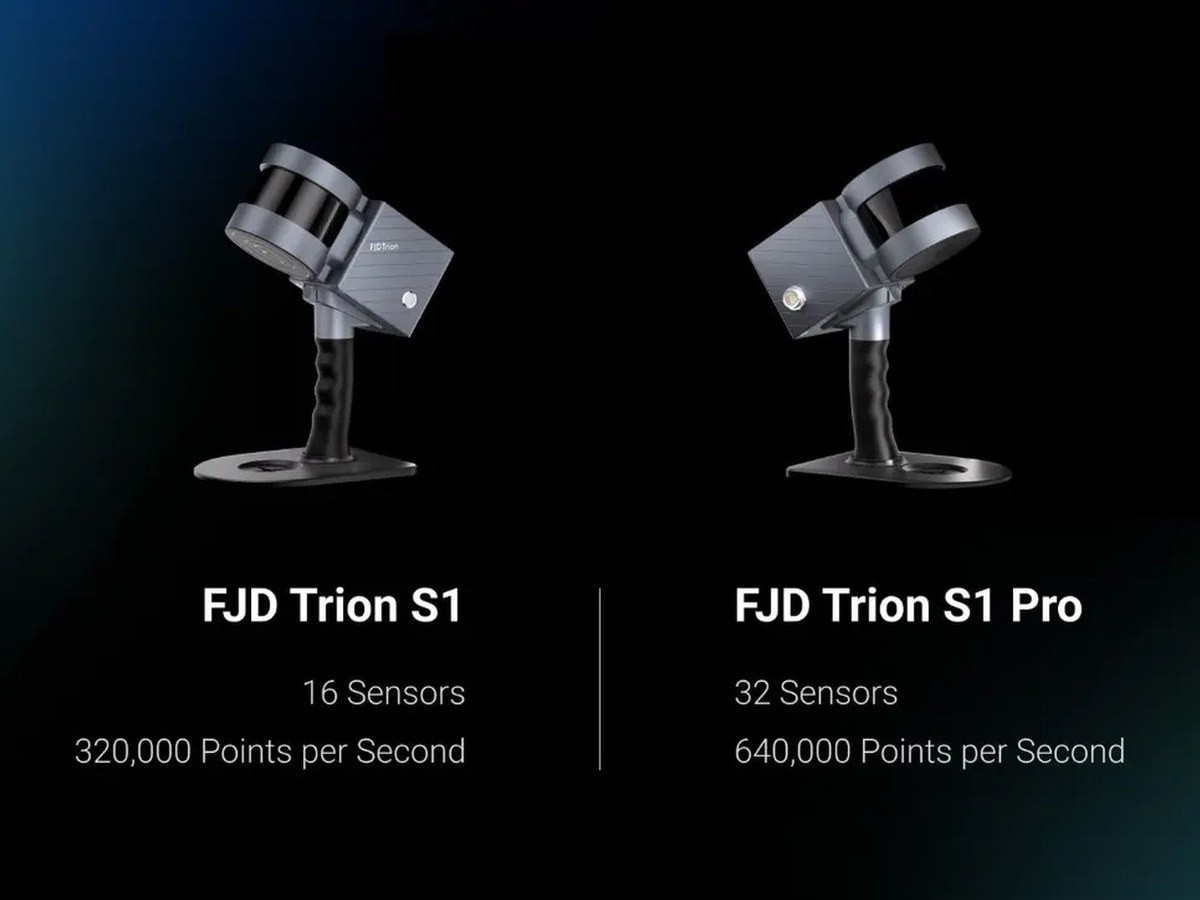
The 32-channel S1 Pro scans at 640,000 points per second to 120 m in a 1.8 kg body rated IP54, with hot-swappable batteries lasting about four hours. A panoramic camera is optional, RTK comes from FJD's separate rover, and splats are produced in Trion Model Web.
CHCNAV's 2026 handheld runs a 64-channel LiDAR at up to 1.15 million points per second across a 360° by 189° field of view, with dual 12MP cameras tuned for low light. The HPGS 2.0 engine generates the Gaussian Splat, and CoCloud handles device-to-cloud processing; the RS10 sibling adds a full GNSS RTK rover.
The long-range LiGrip pairs a Hesai XT-16 LiDAR reaching 120 m with a panoramic camera and roughly four hours of battery, at better than 1 cm relative accuracy. The LiDAR360MLS Gaussian Splatting module fuses LiDAR and imagery, classifies and edits the result, and exports .lisplat or .ply.
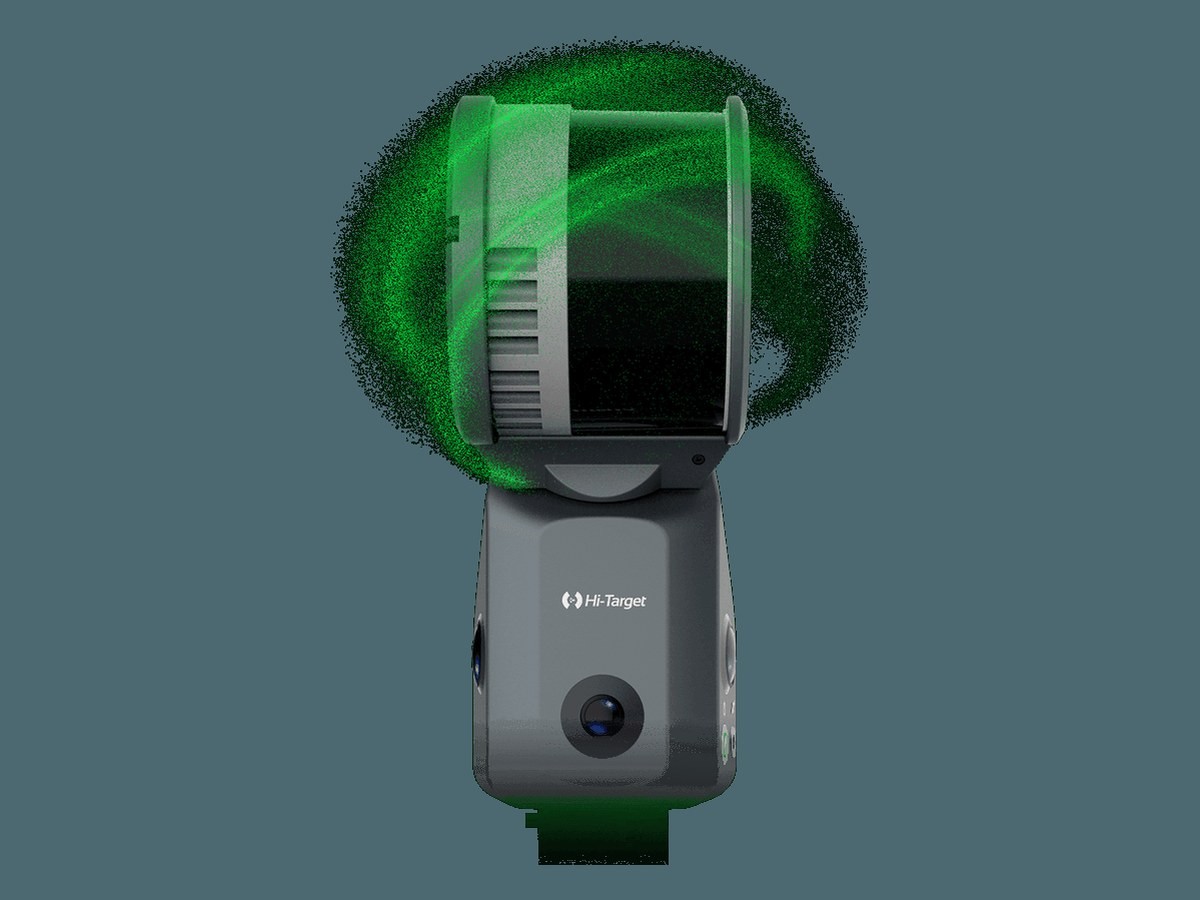
A 32-channel survey handheld reaching 300 m at 640,000 points per second, with built-in RTK rated under 4 cm absolute and under 1 cm relative. Dual 48MP panoramic cameras feed the 3DGS and Mesh module in Hi-Target's Hi-LiDAR suite, so no external camera is needed.
Feima's fourth-generation handheld reaches 120 m in 16- and 32-line versions, with two 12MP panoramic cameras covering 210° each and GNSS built in for aerial-ground fusion. Feima's pitch is the licence: large-scale 3DGS processing stays free for the life of the device.
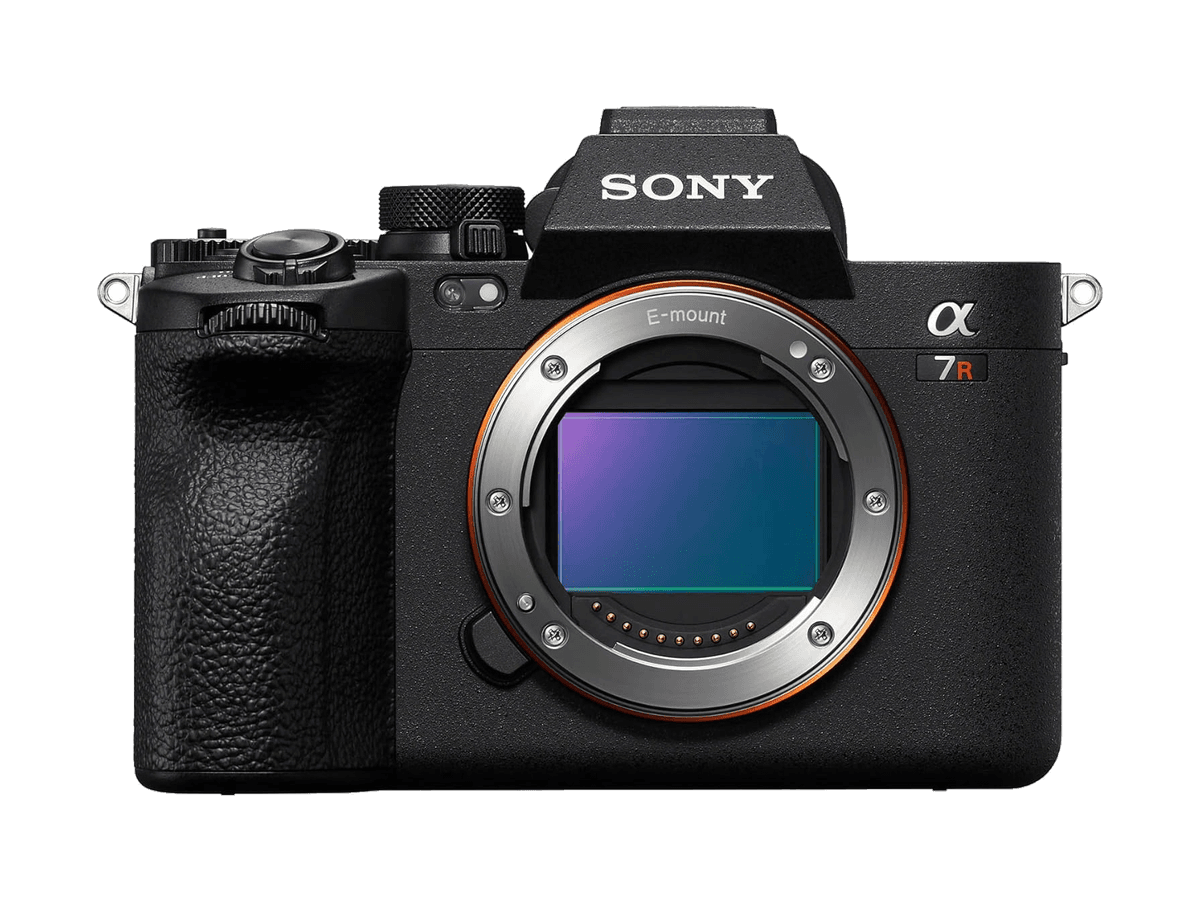
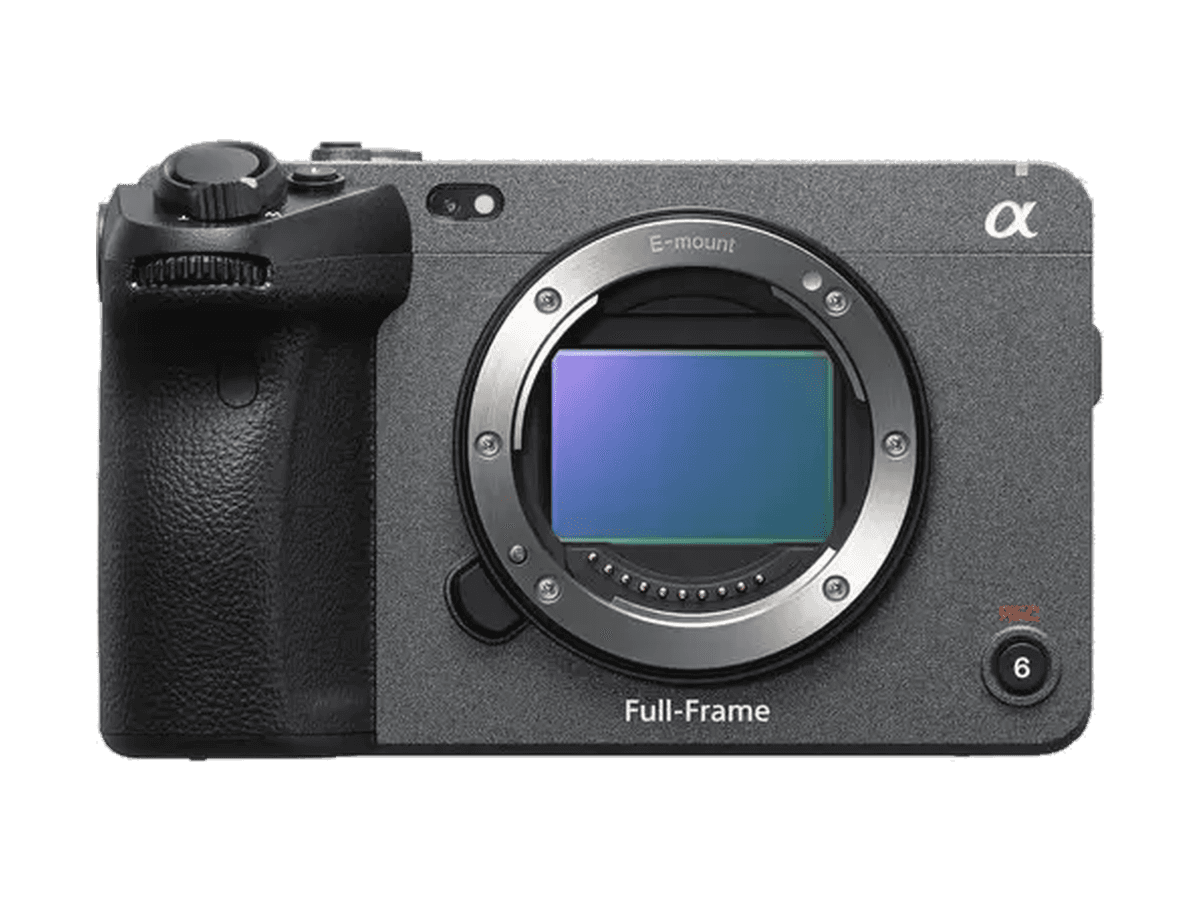
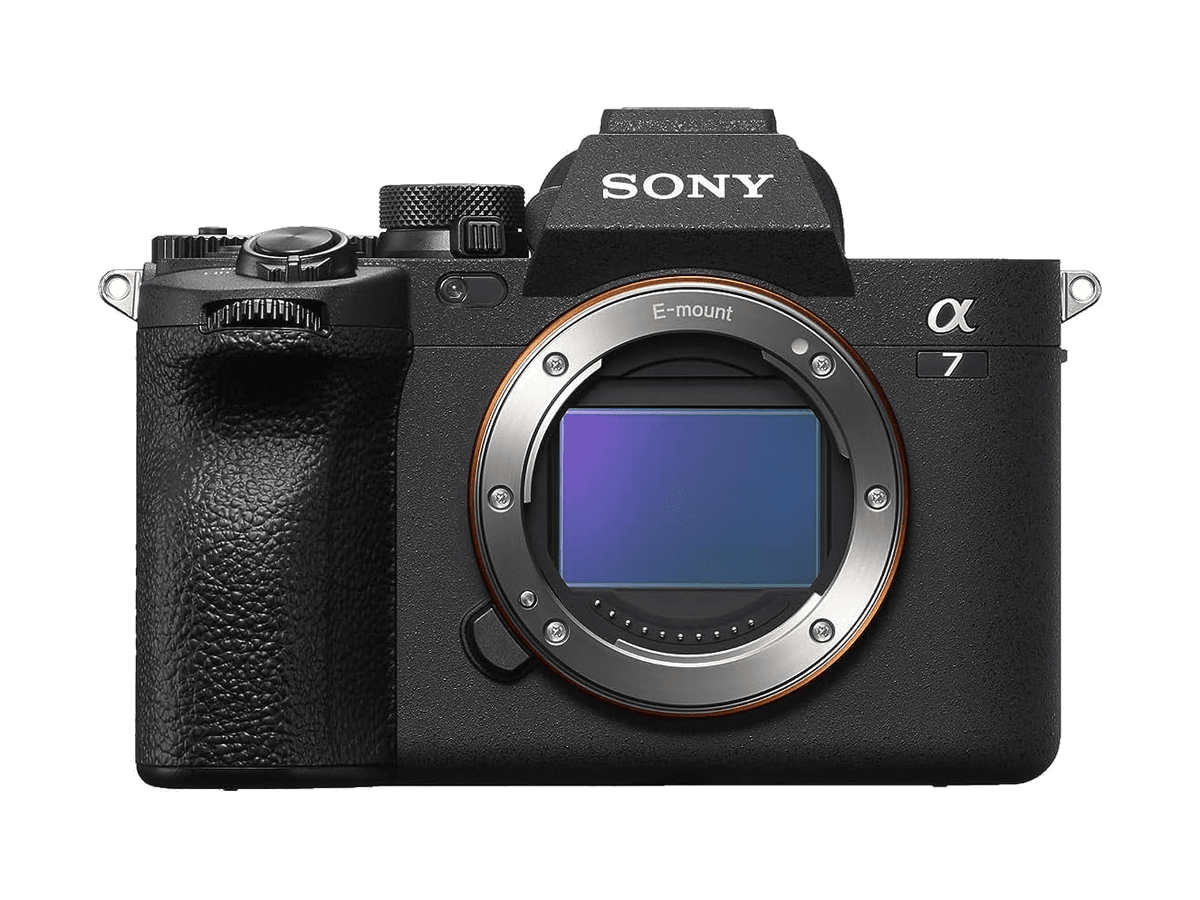
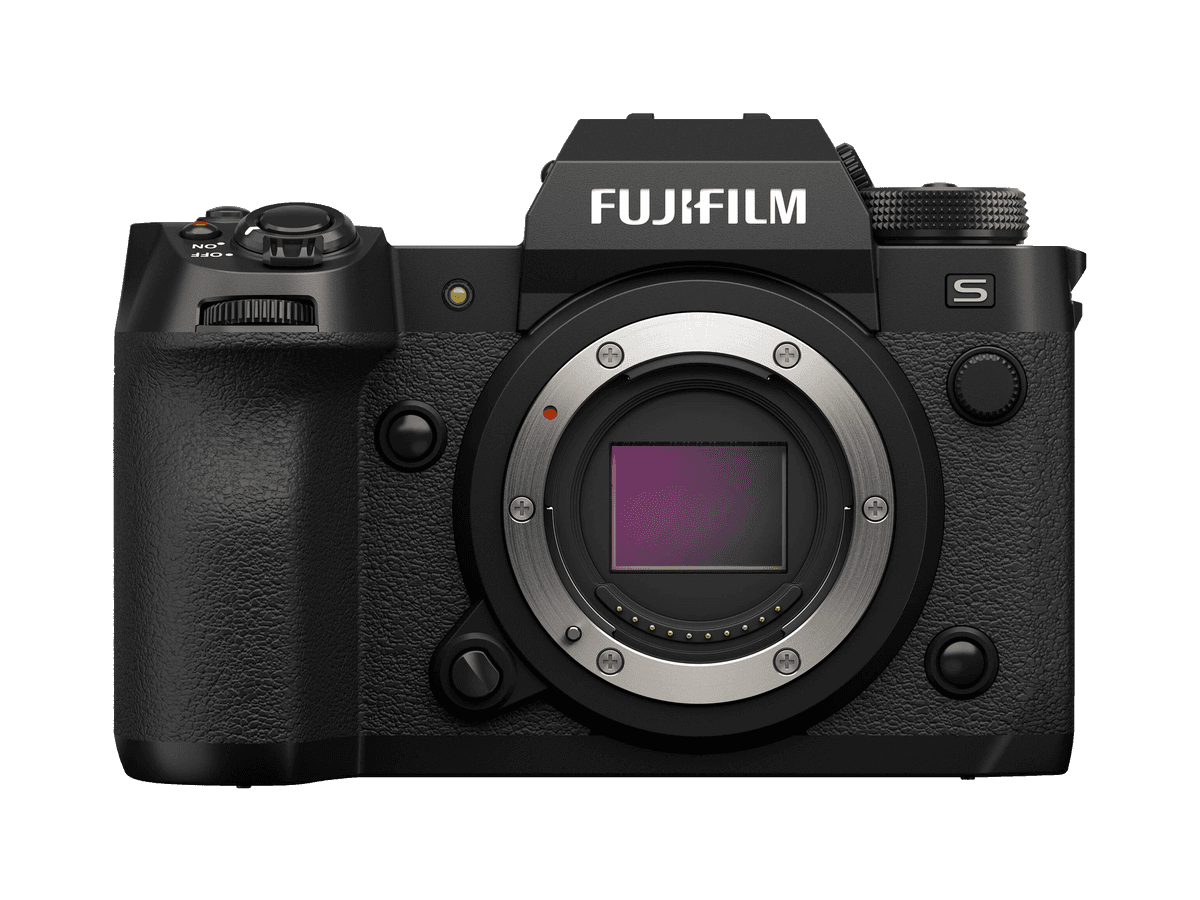
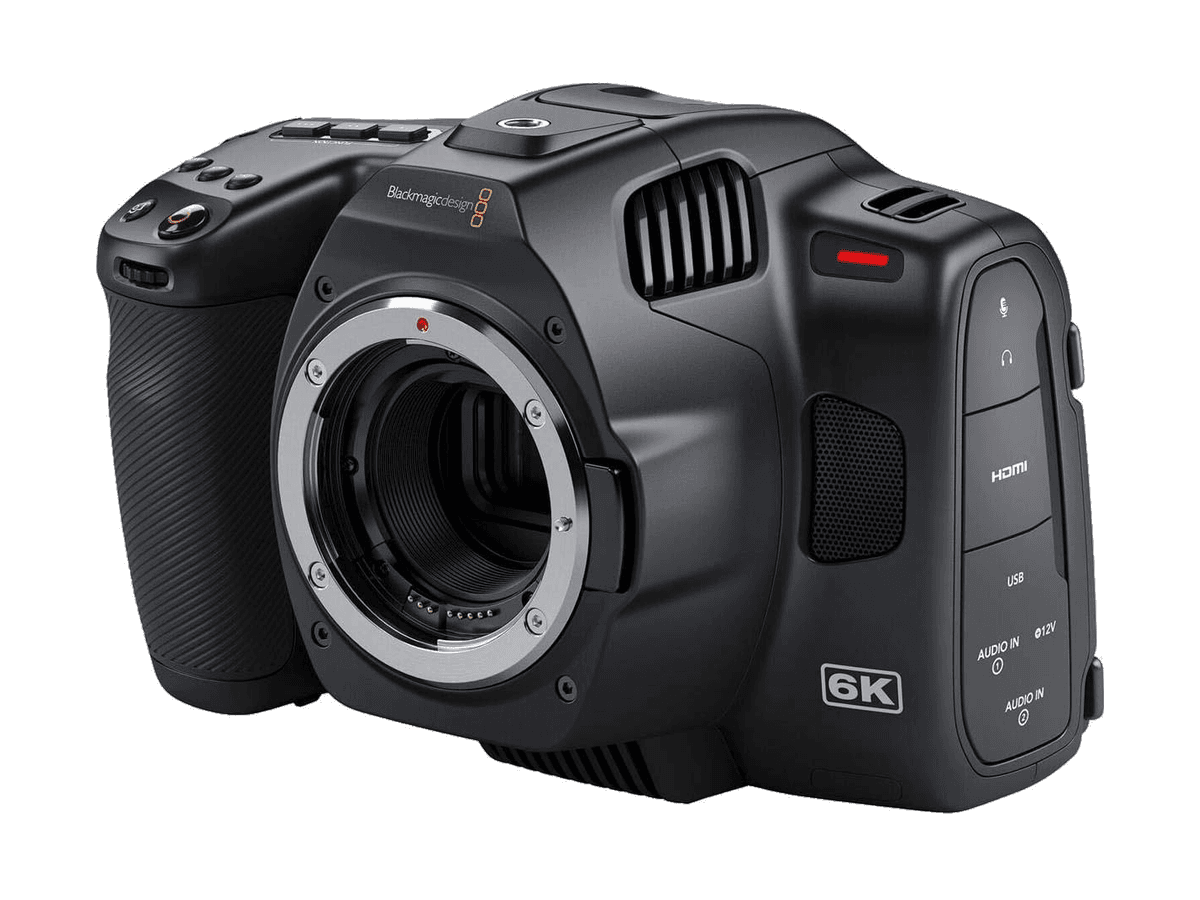
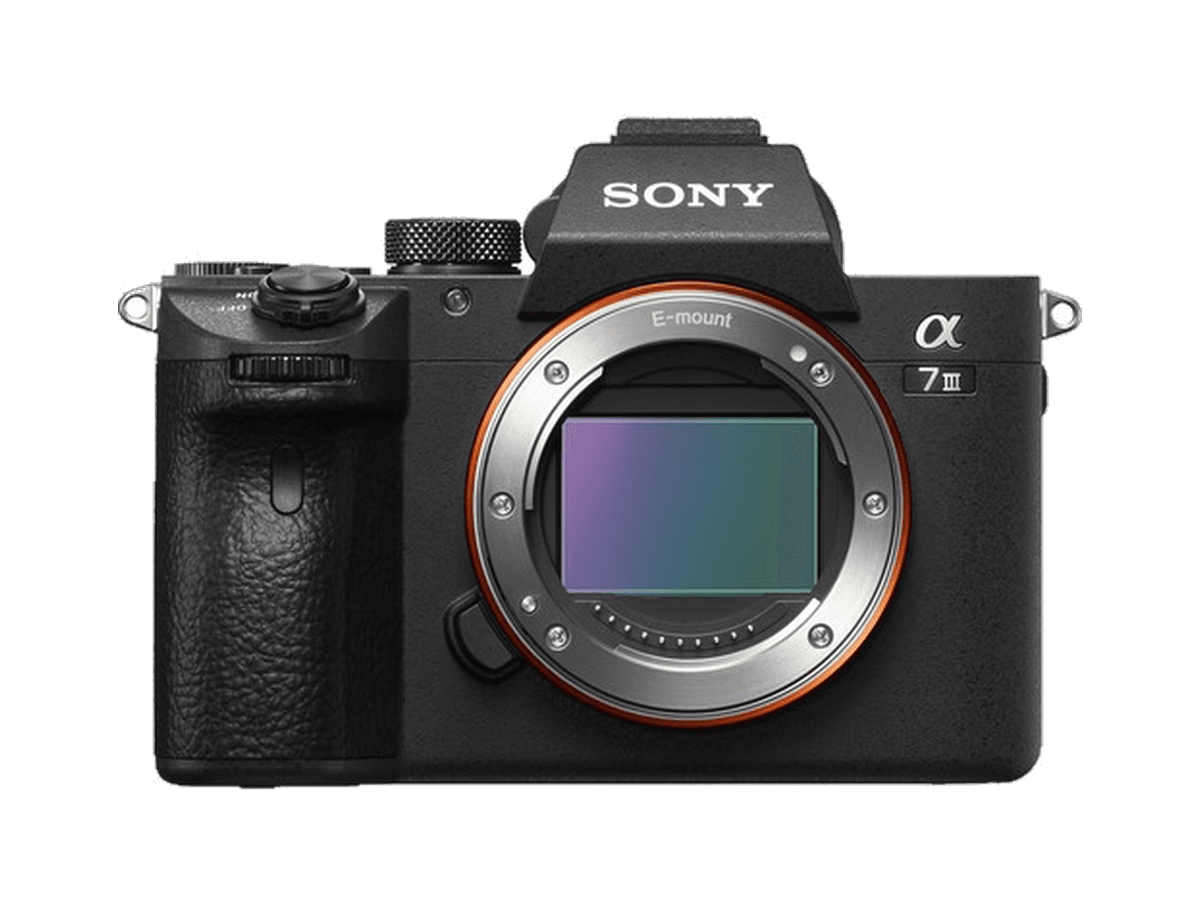
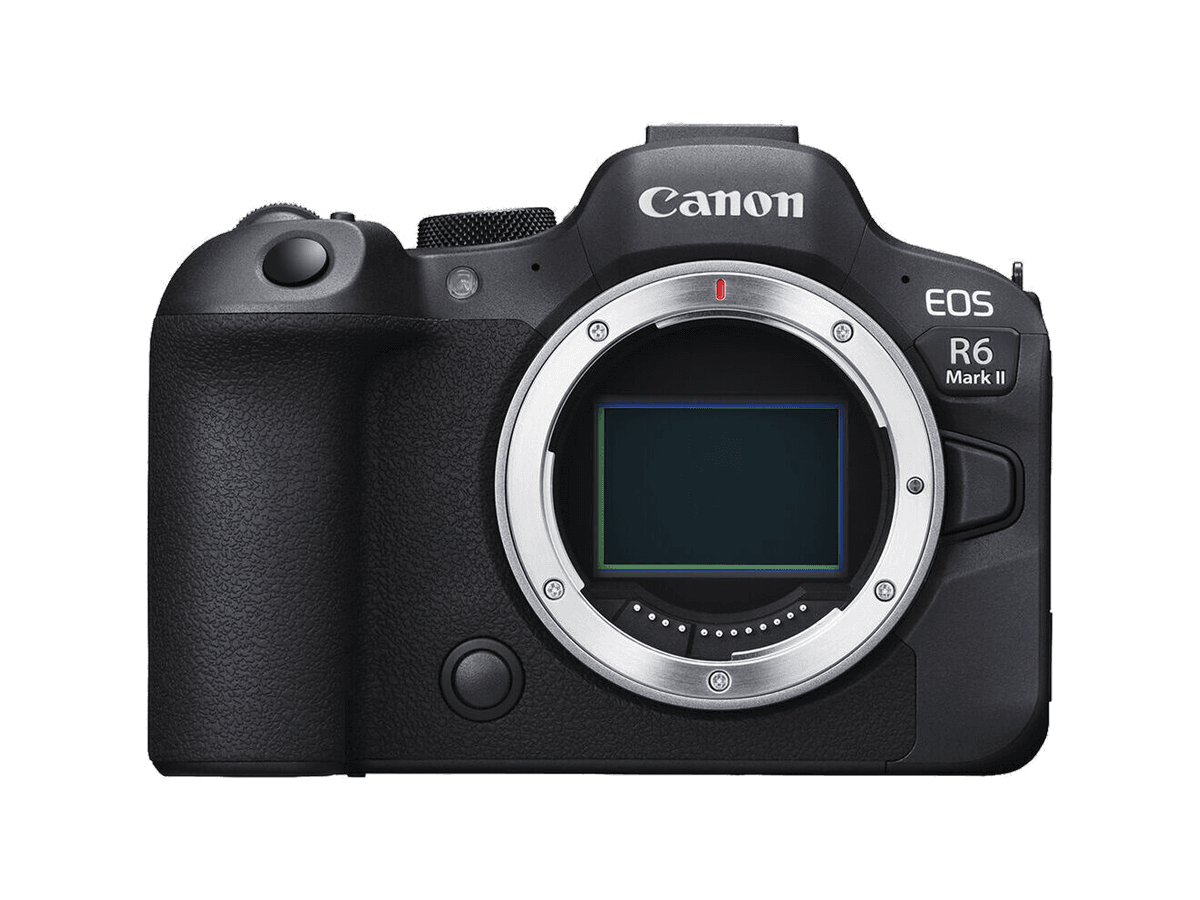
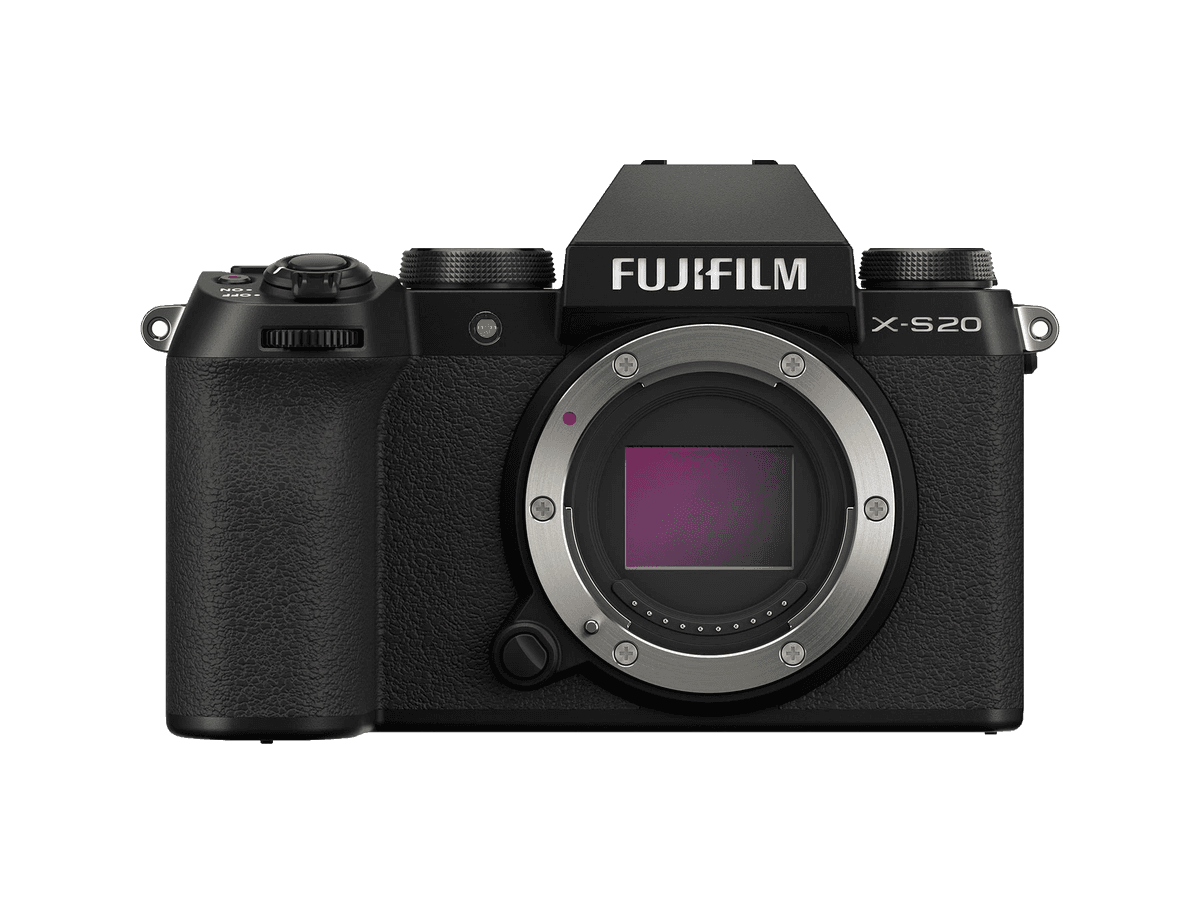
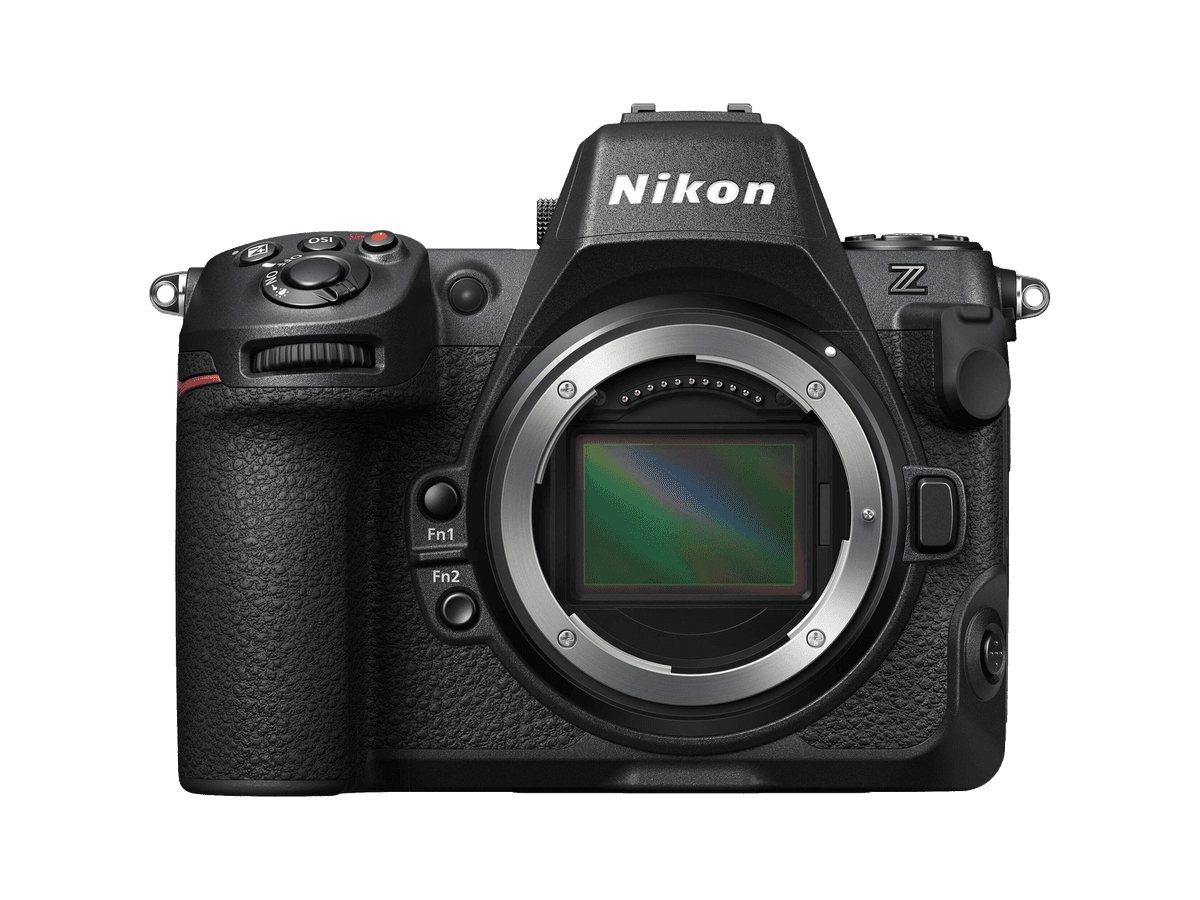
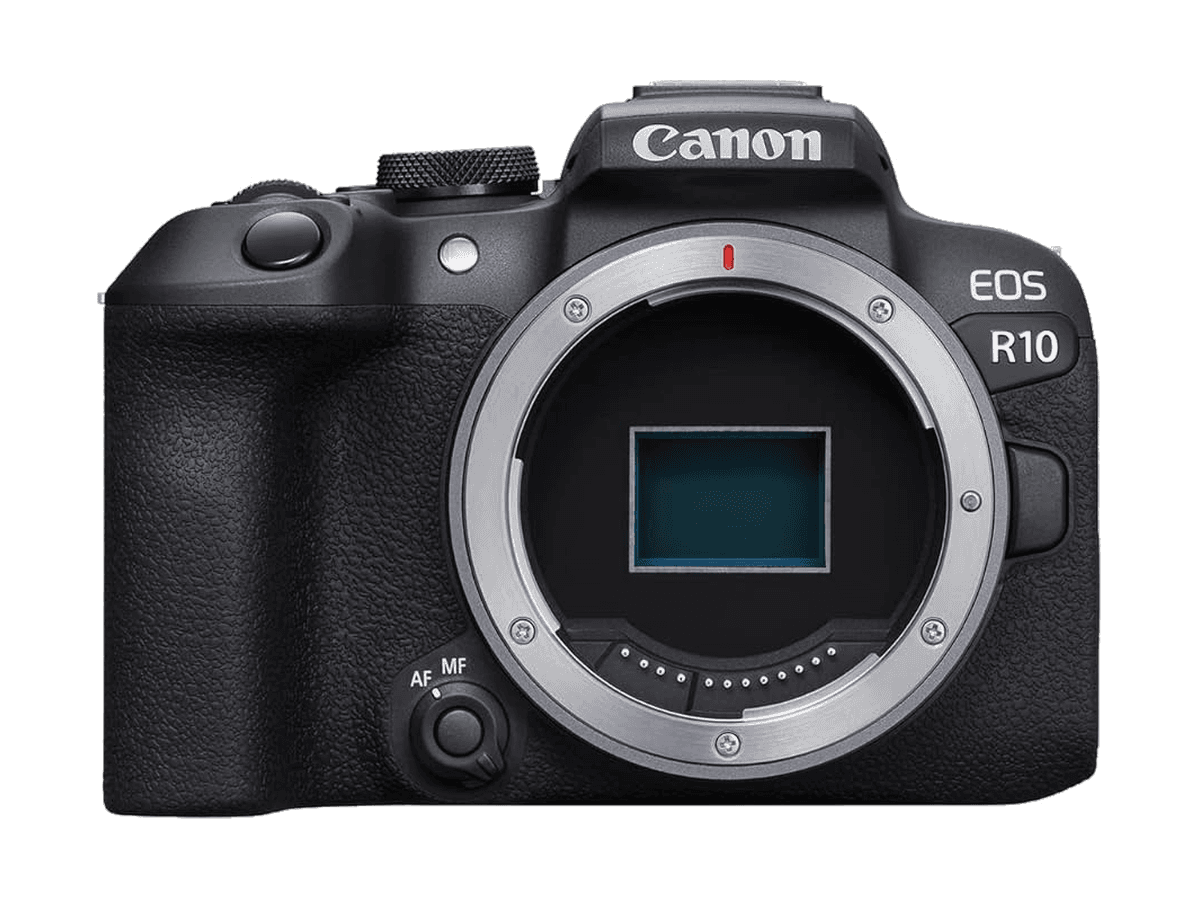
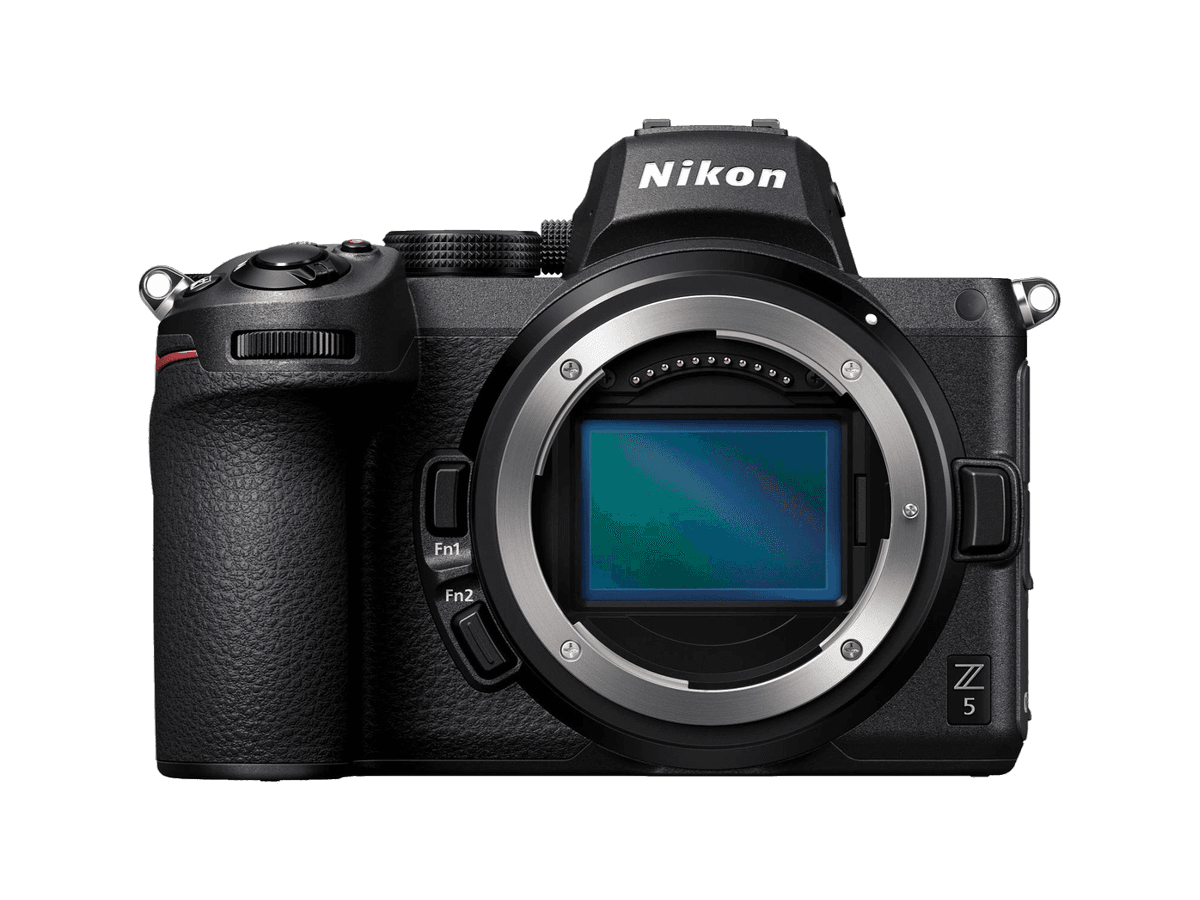
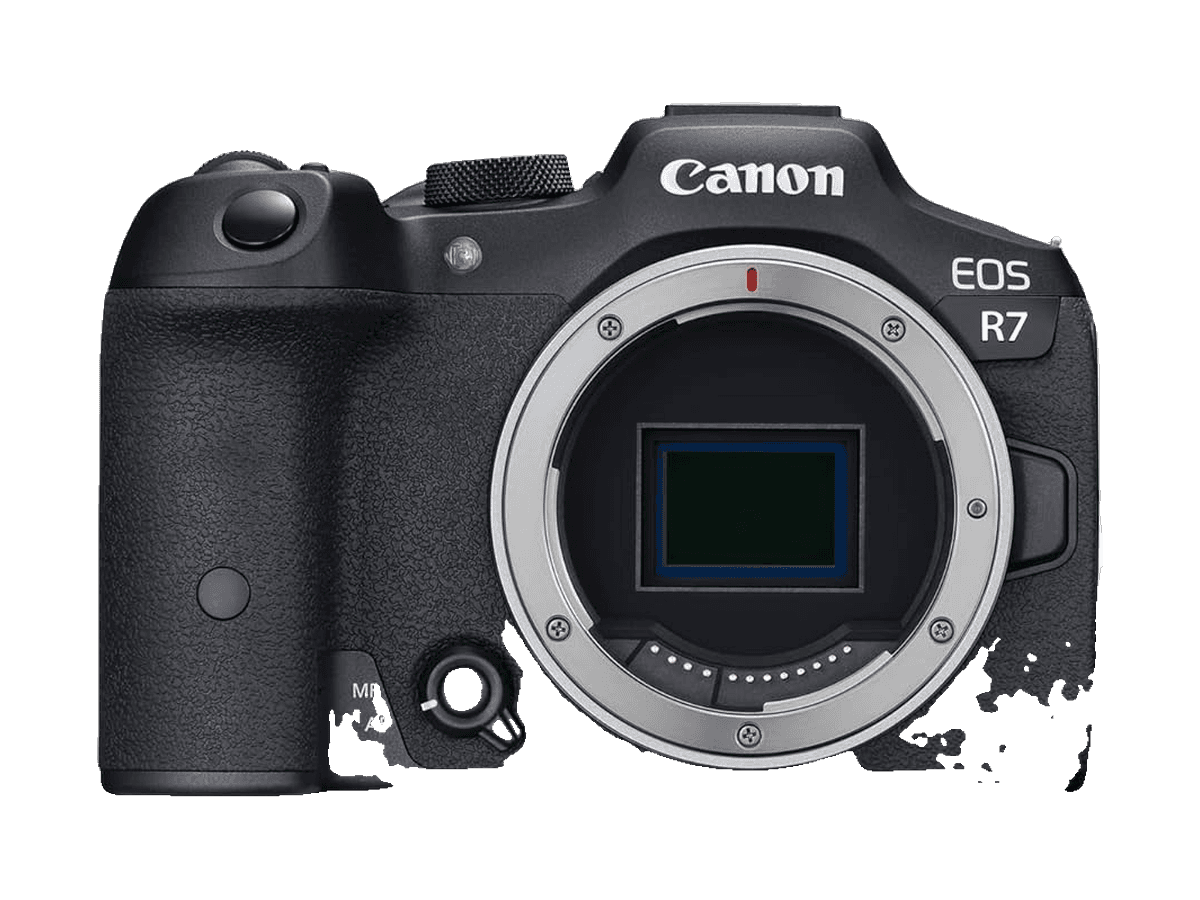
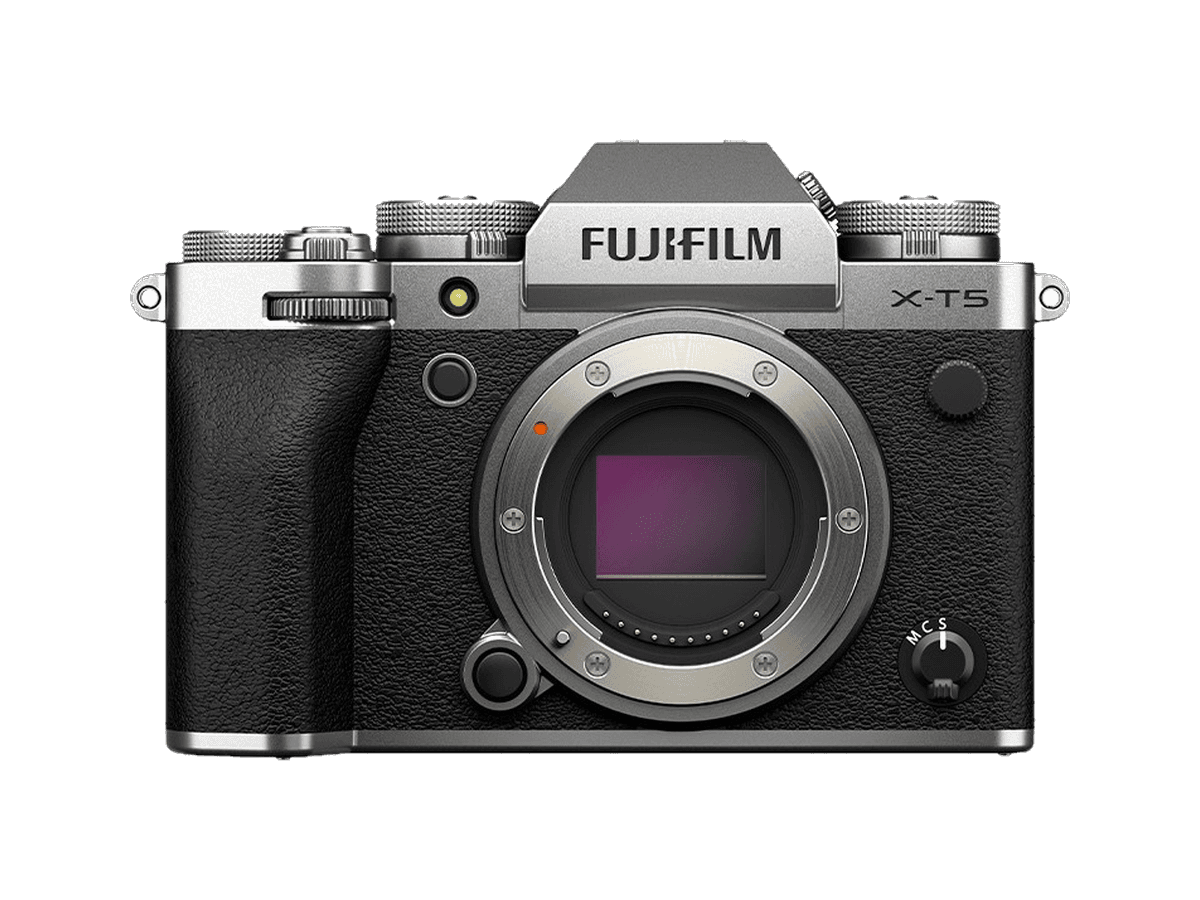
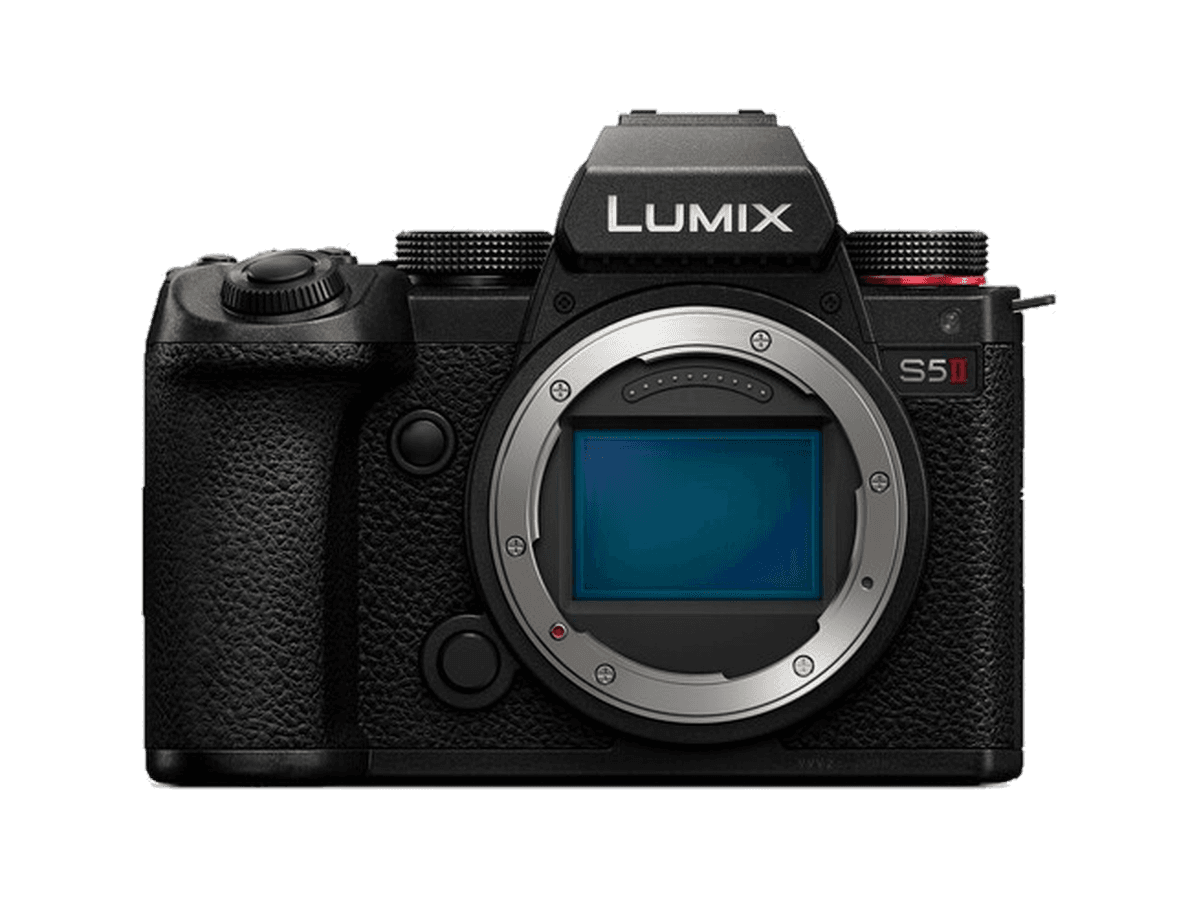
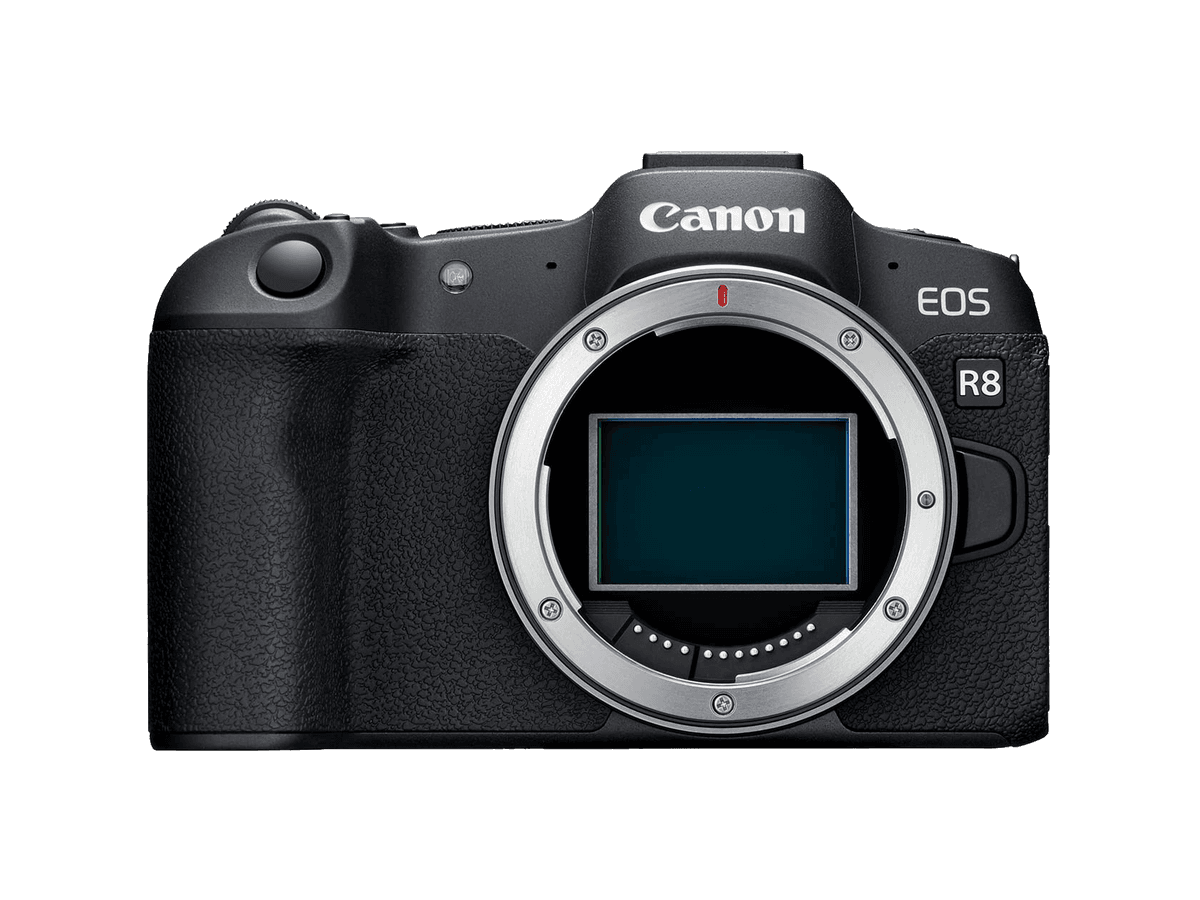
Any camera can produce a Gaussian Splatting dataset — sharpness matters more than brand. High-resolution bodies like the Sony A7R V and A7RIV give reconstruction pipelines more detail to work with, which is why they're our top picks.
A full-frame mirrorless camera known for its exceptional autofocus system and in-body image stabilization, making it ideal for both photography and videography.
This full-frame mirrorless camera offers a balanced mix of high-resolution imaging and robust video capabilities, suitable for enthusiasts and professionals alike.
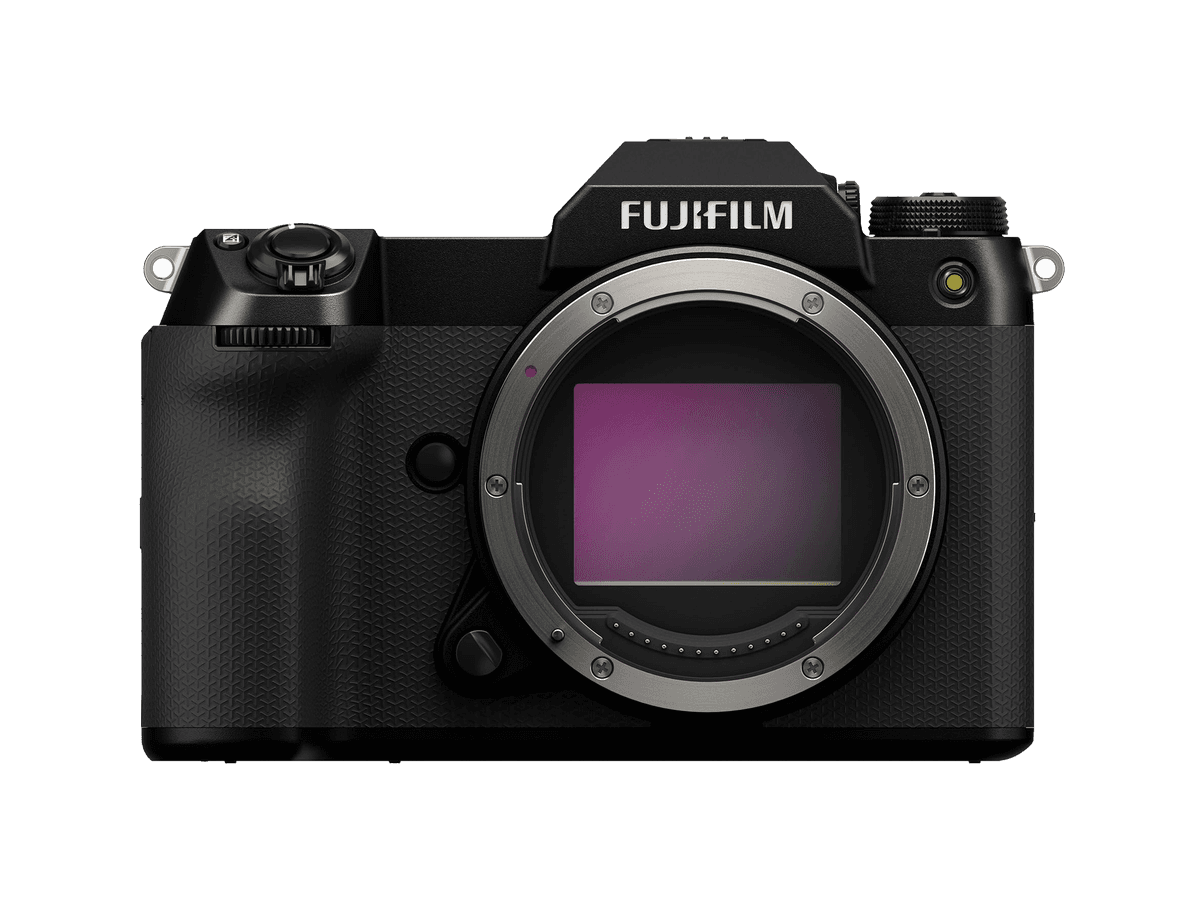
A medium-format mirrorless camera that delivers stunning image quality with its 102MP sensor, catering to landscape and studio photographers seeking ultra-high resolution.
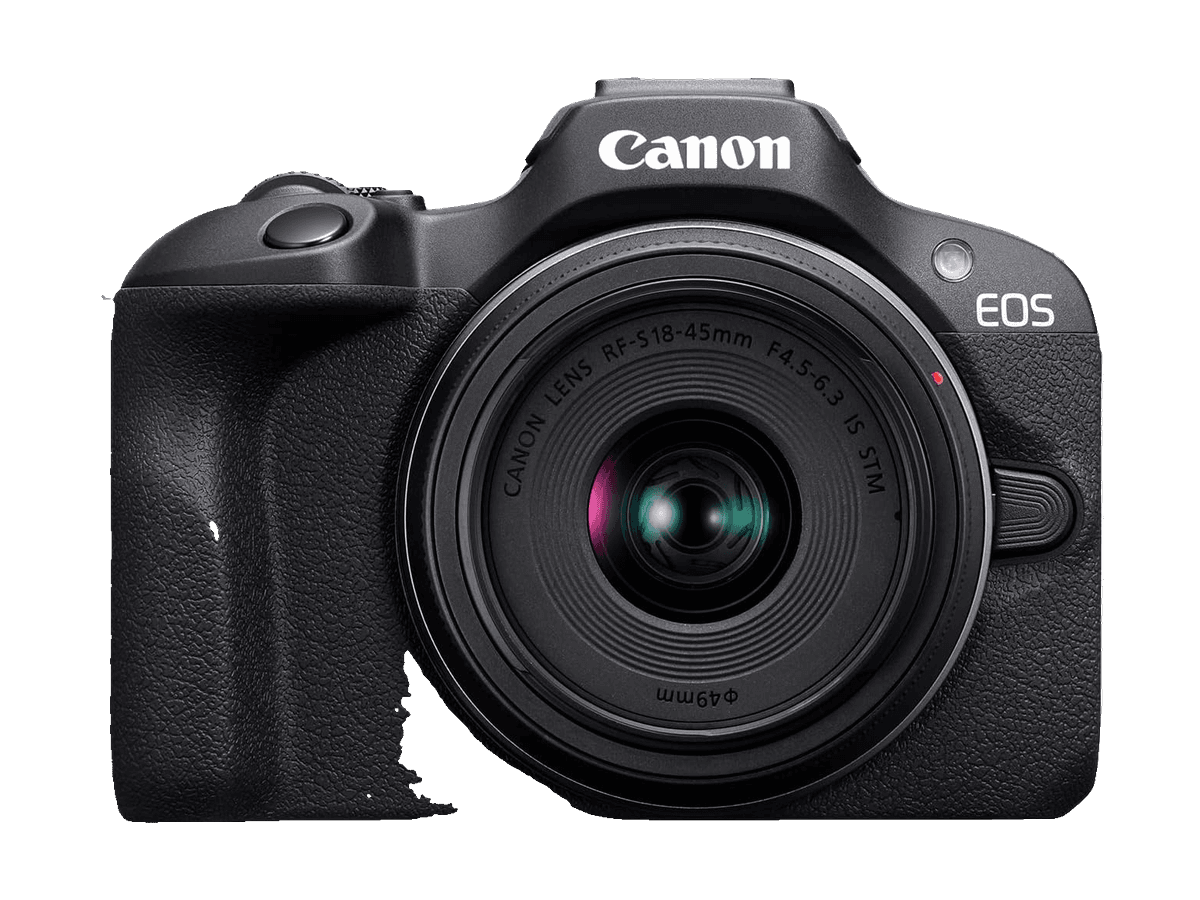
An APS-C mirrorless camera praised for its compact design, versatile features, and excellent image quality, appealing to both hobbyists and professionals.
Combining high-resolution imaging with fast continuous shooting speeds, this full-frame mirrorless camera is favored by sports and wildlife photographers.
Designed with content creators in mind, this full-frame mirrorless camera offers advanced video features and user-friendly controls for vlogging and streaming.
A budget-friendly full-frame mirrorless camera that delivers excellent image quality and robust build, suitable for those transitioning to full-frame photography.
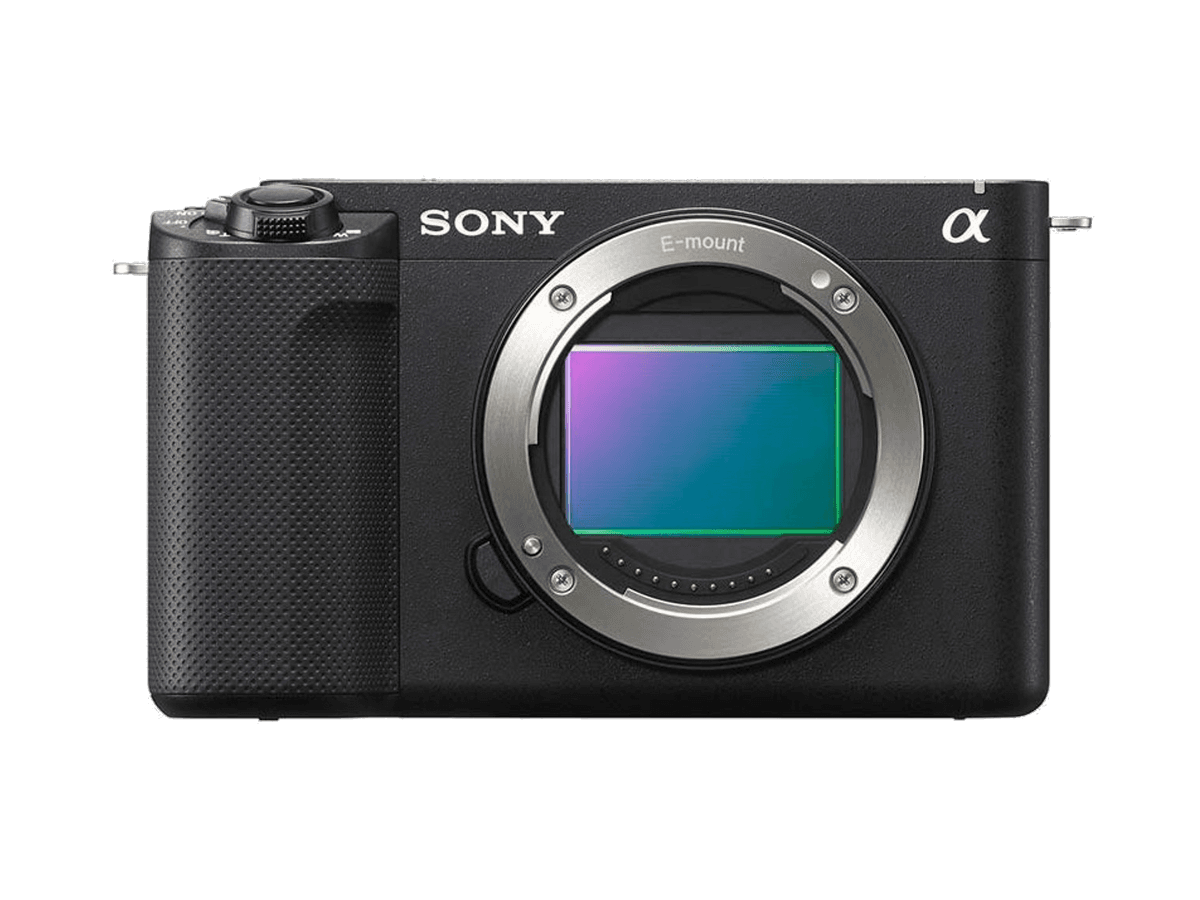
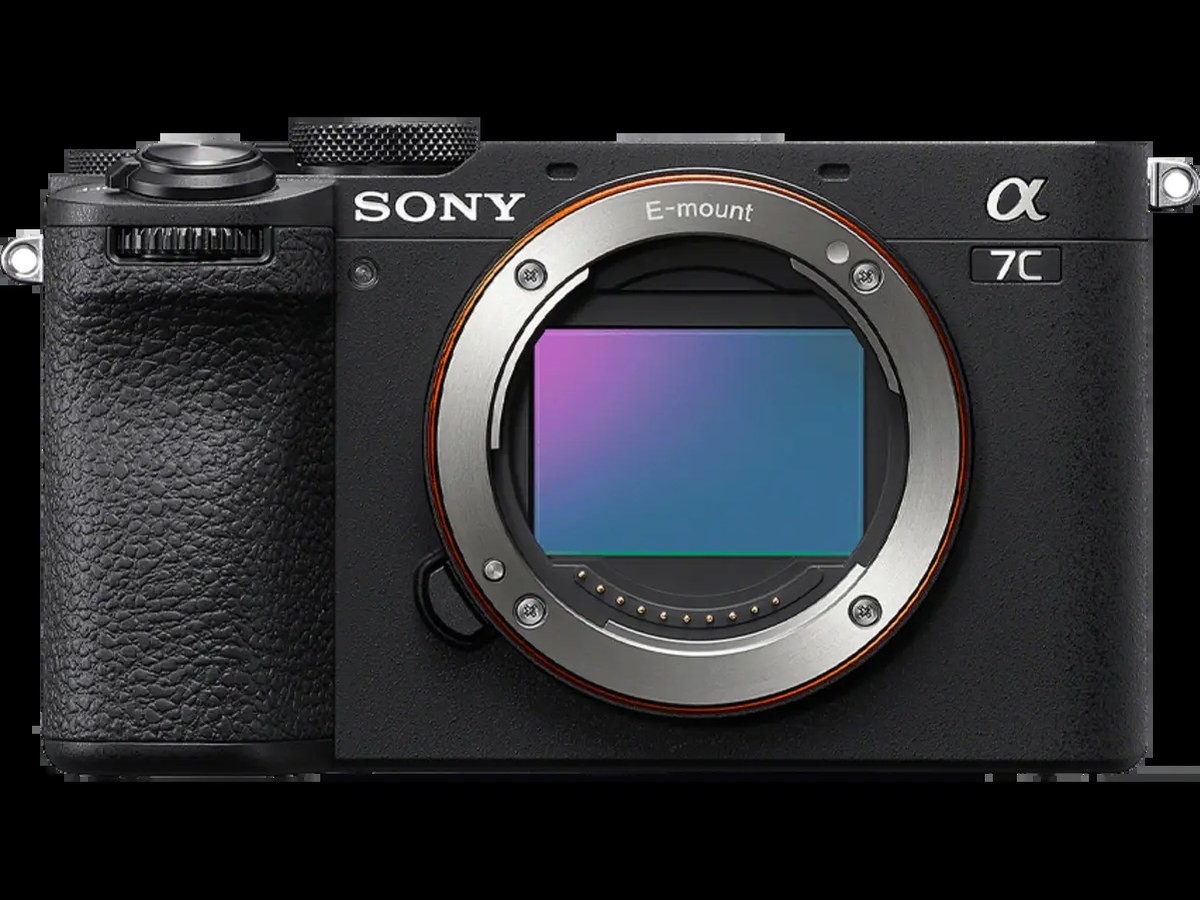
Delivering outstanding performance and excellent image quality for both stills and movies, the α7C II's new 33.0 megapixel Exmor R CMOS image sensor provides high-speed readout, high sensitivity from ISO 100 to ISO 51200, low noise, and highly accurate color reproduction.
What's the best action cam for Gaussian Splatting?
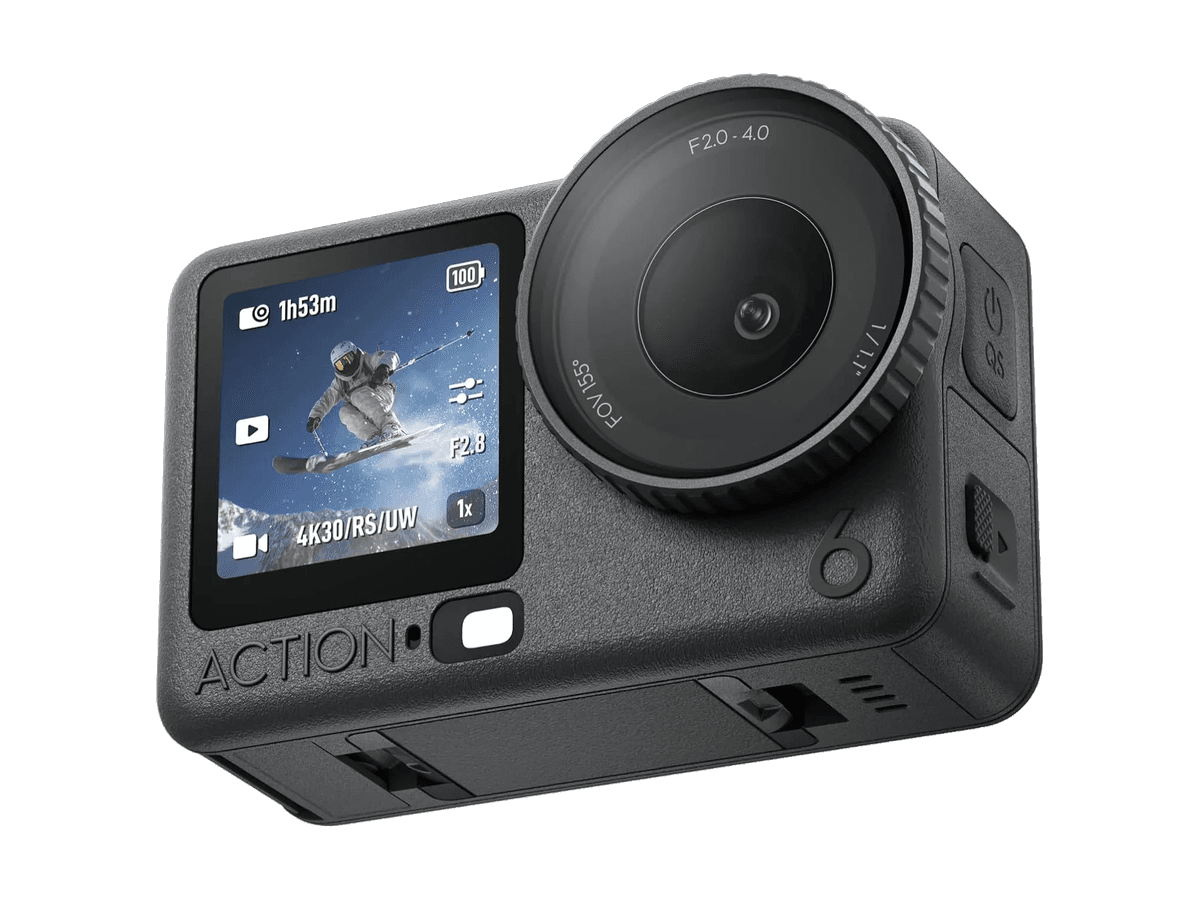
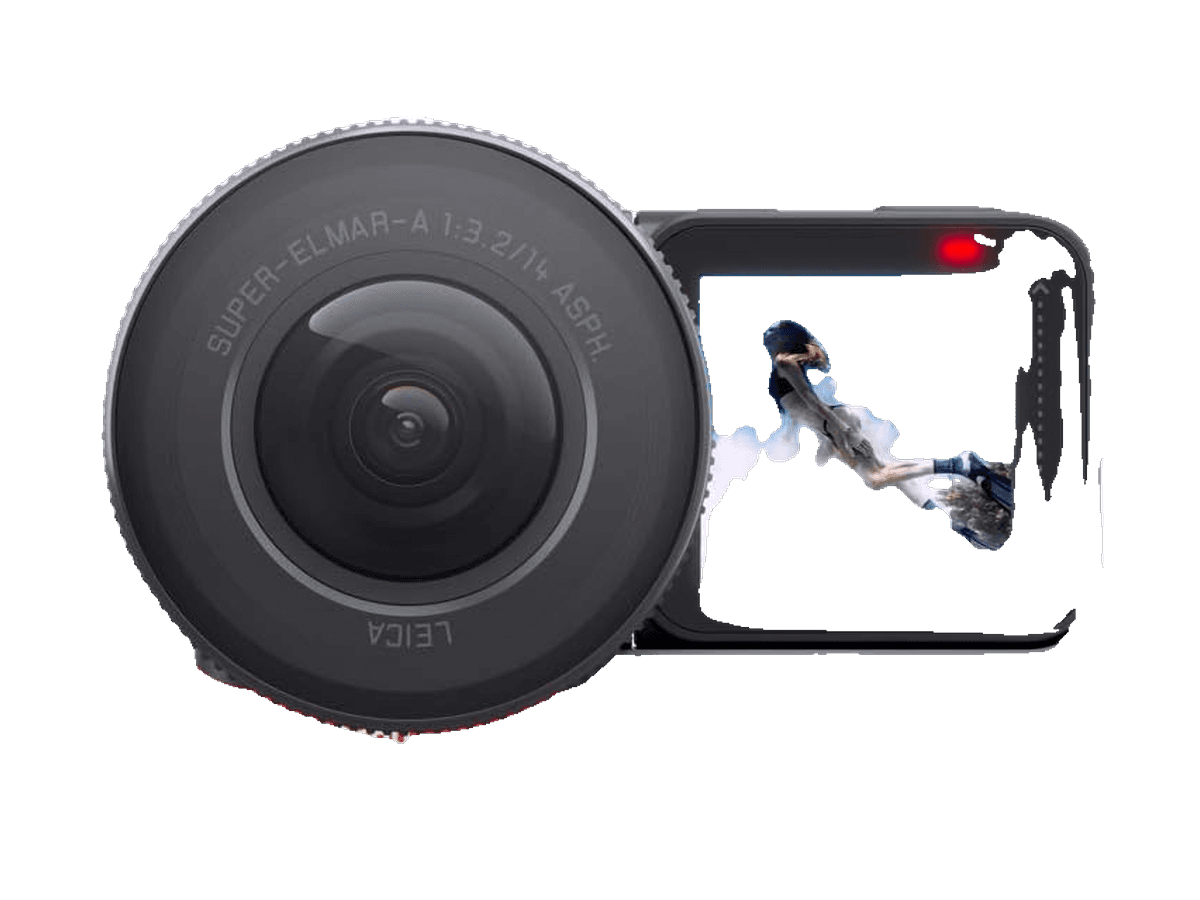
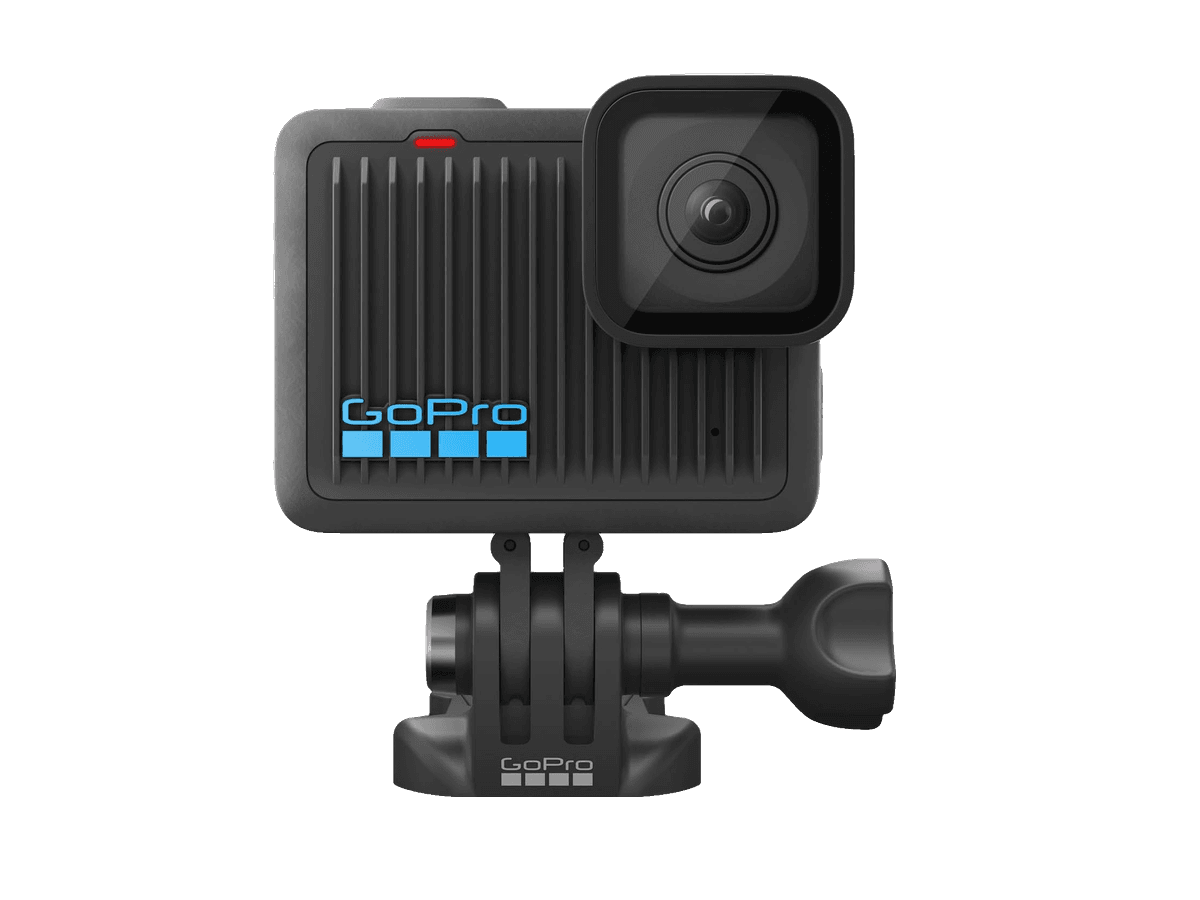
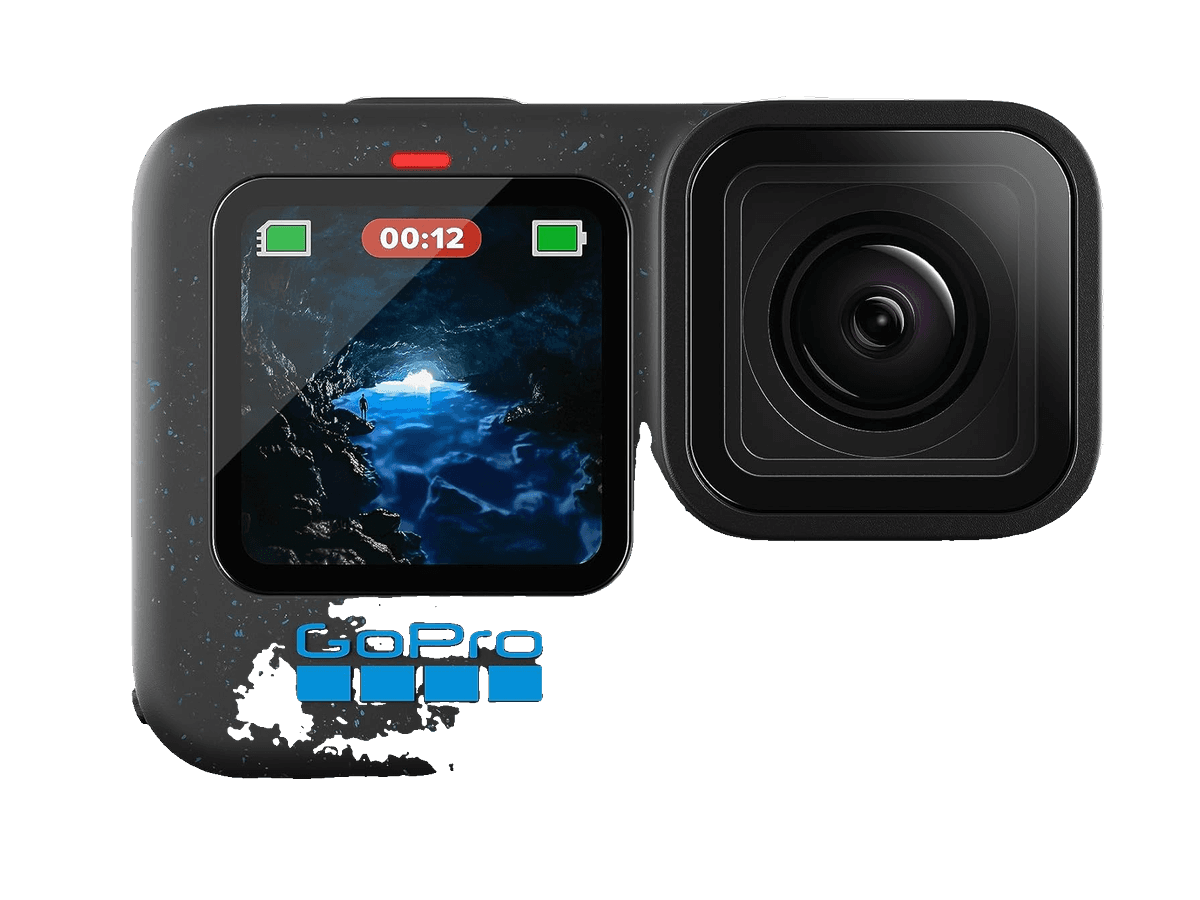
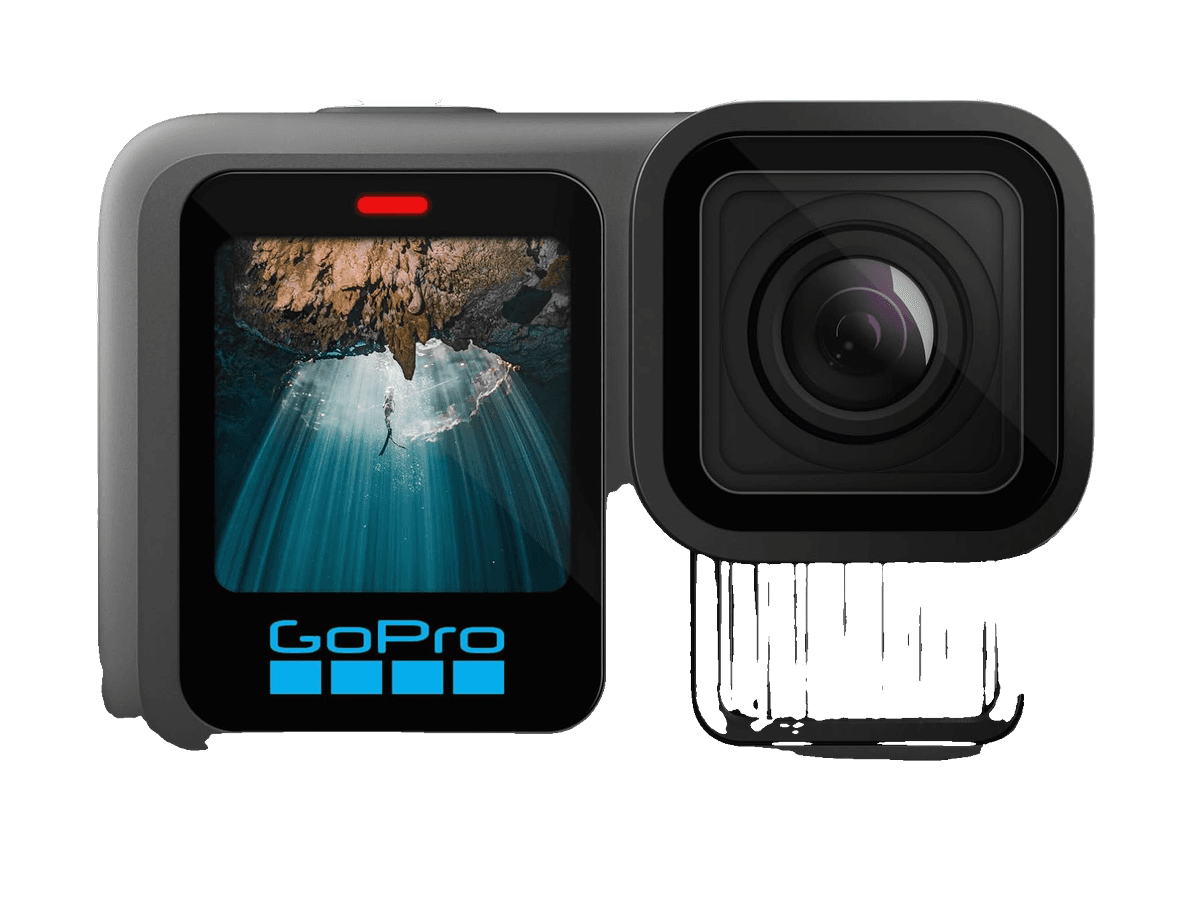
Action cameras are an affordable, rugged way to capture datasets, and buying several is a popular way to build a multi-camera rig. The DJI Osmo Action 6 is our current pick.
Top Pick$$
DJI Osmo Action 6
The Osmo Action 6 features a new 1/1.1" square sensor, Starburst mode, a variable f/2 to f/4 aperture, and it now has 50GB of internal storage.
Introduces magnetic mounting, a redesigned battery with 10% higher capacity, HLG HDR video recording, and compatibility with new lens mods, including Ultra Wide and Macro options.
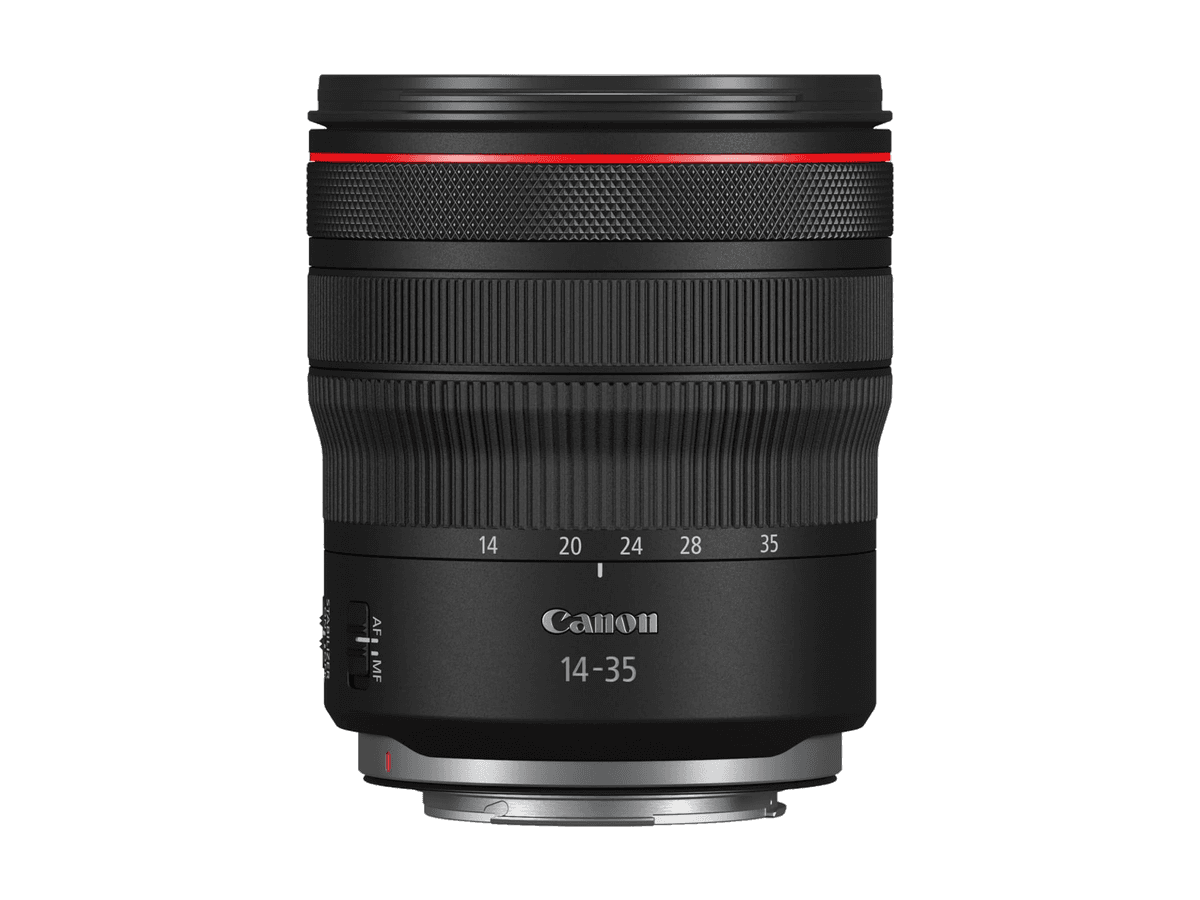
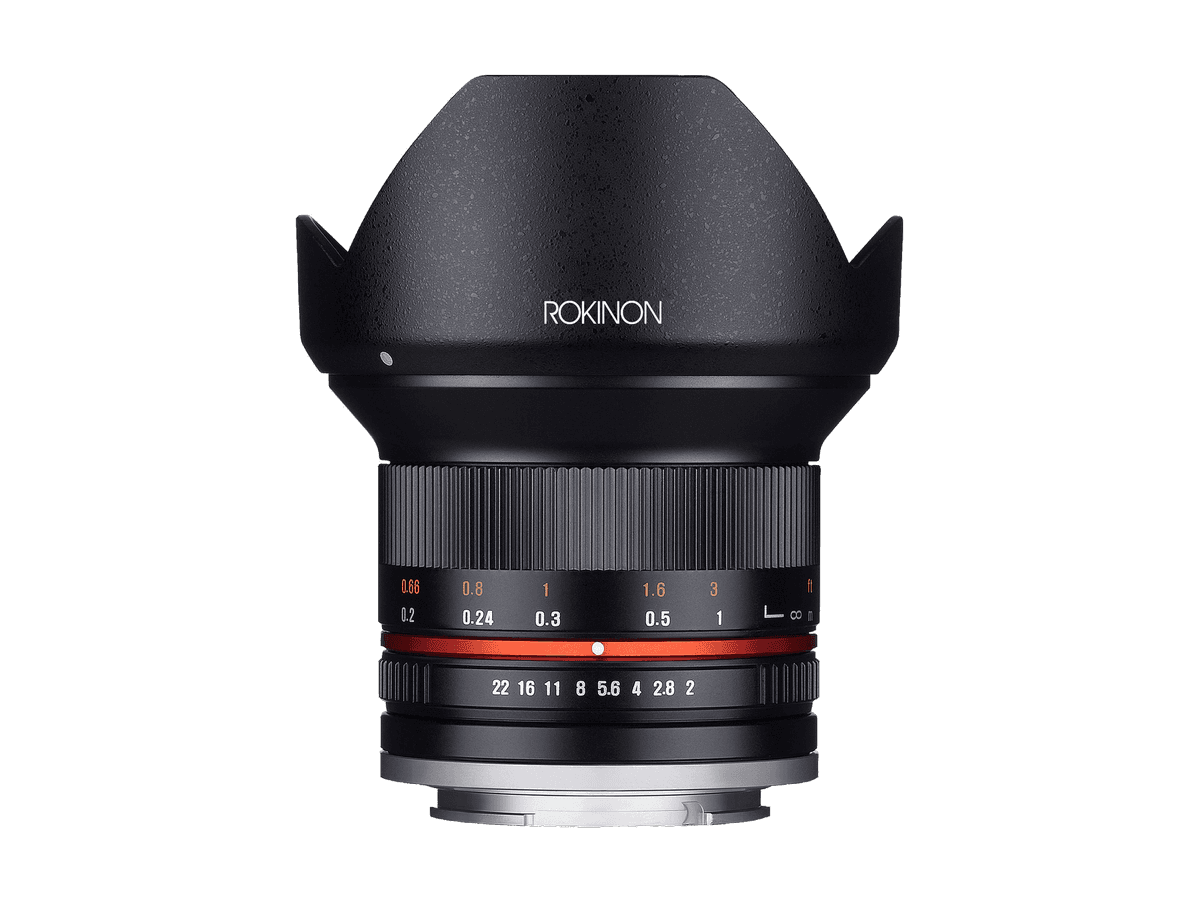
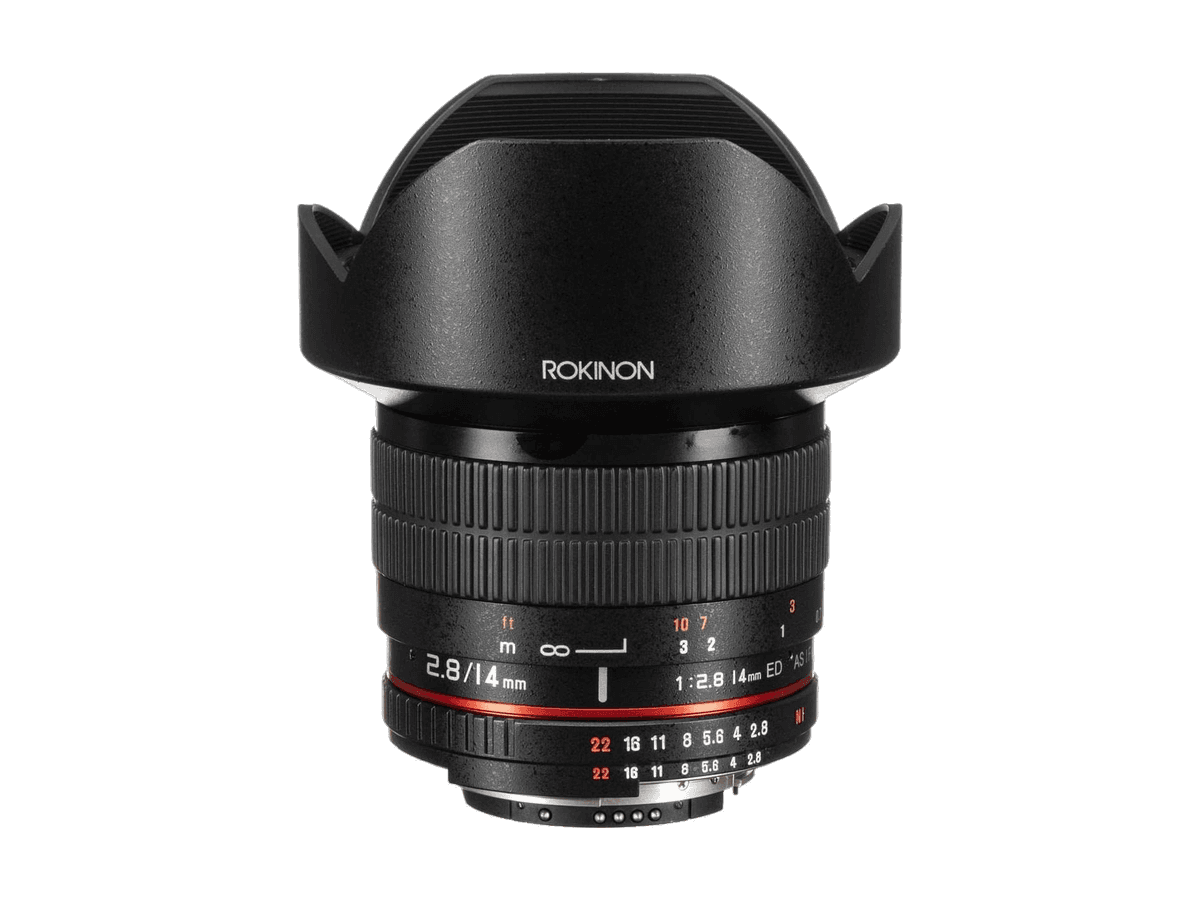
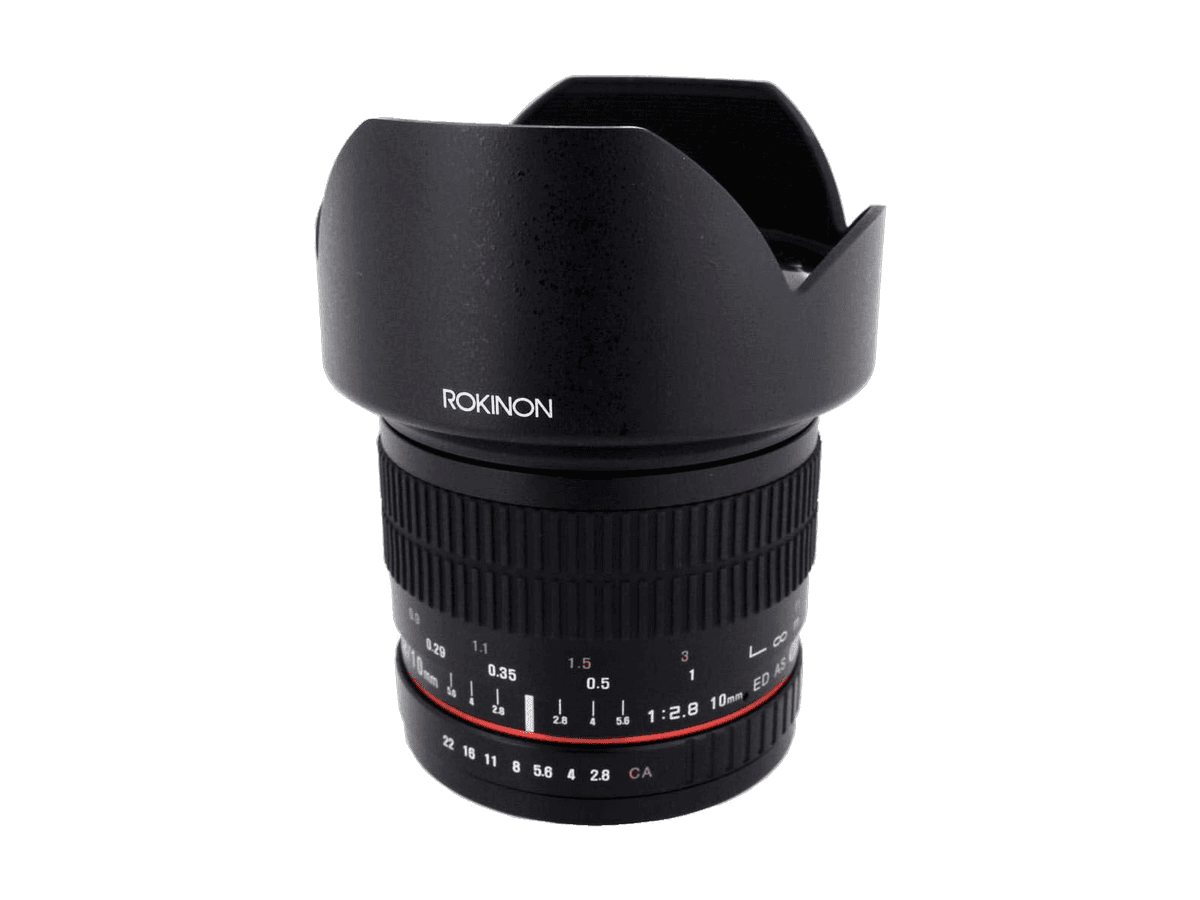
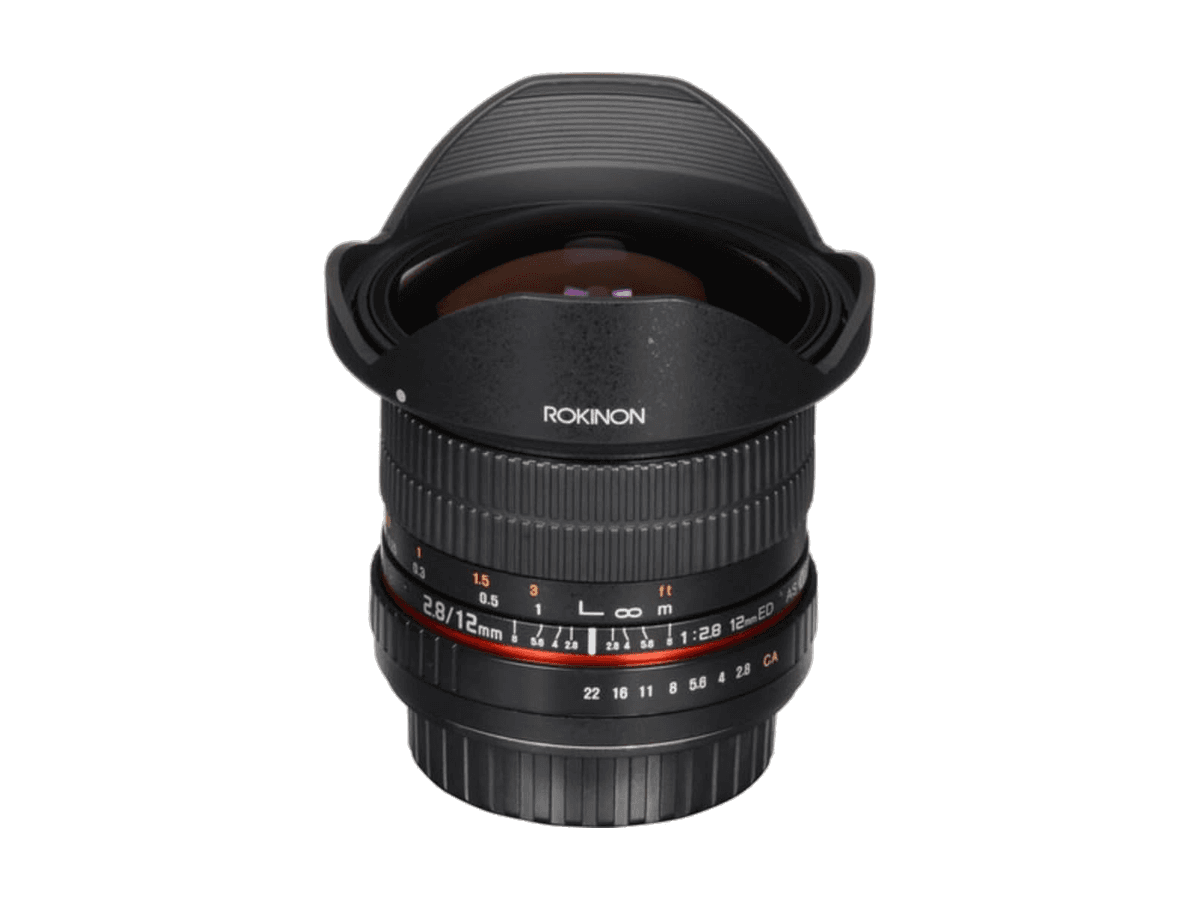
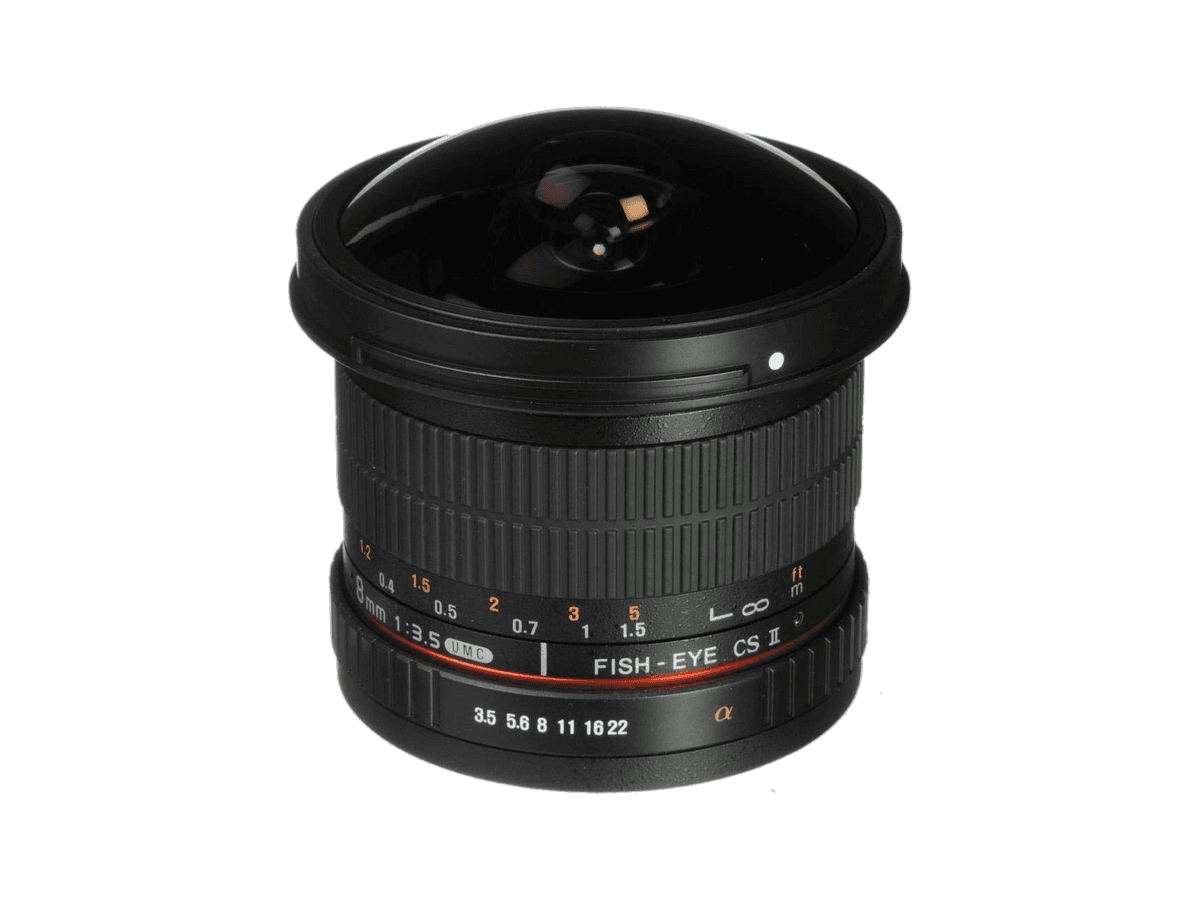
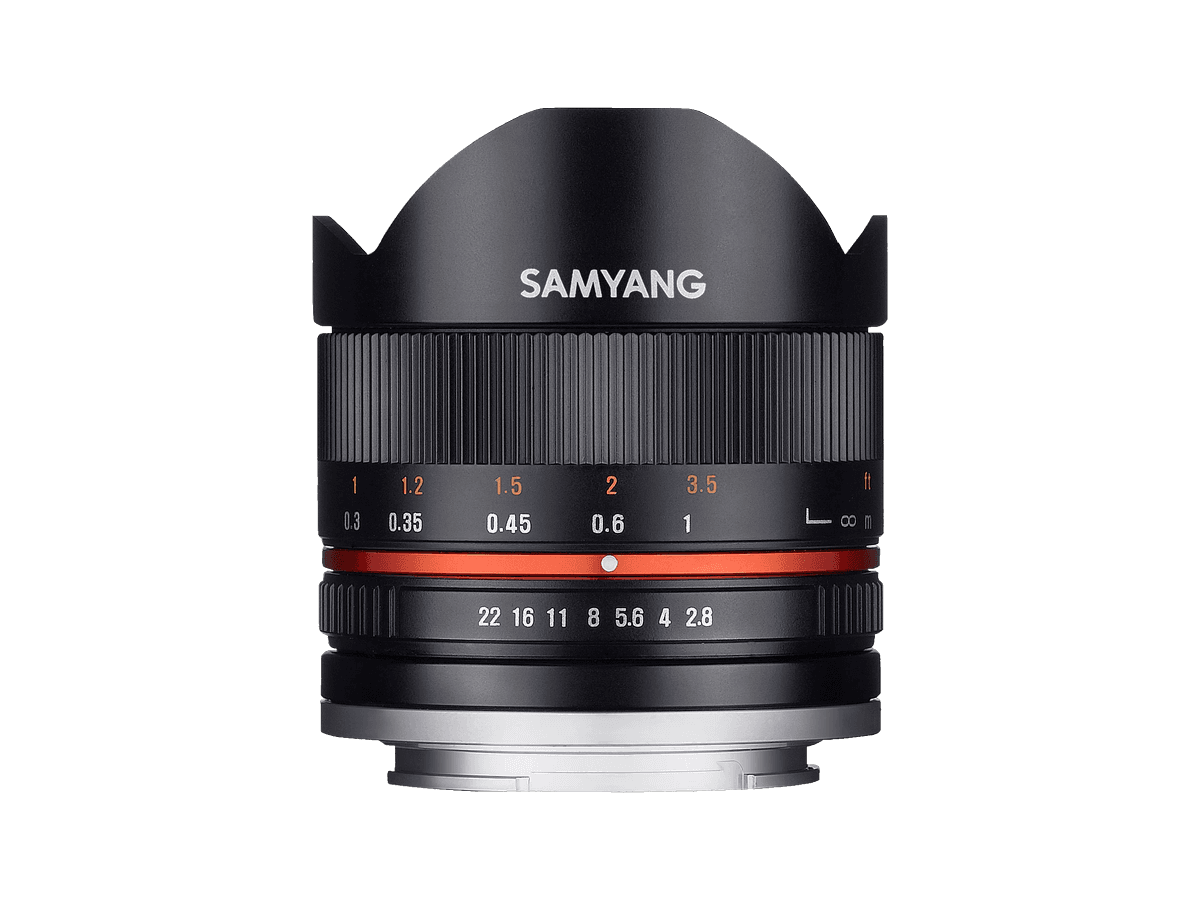
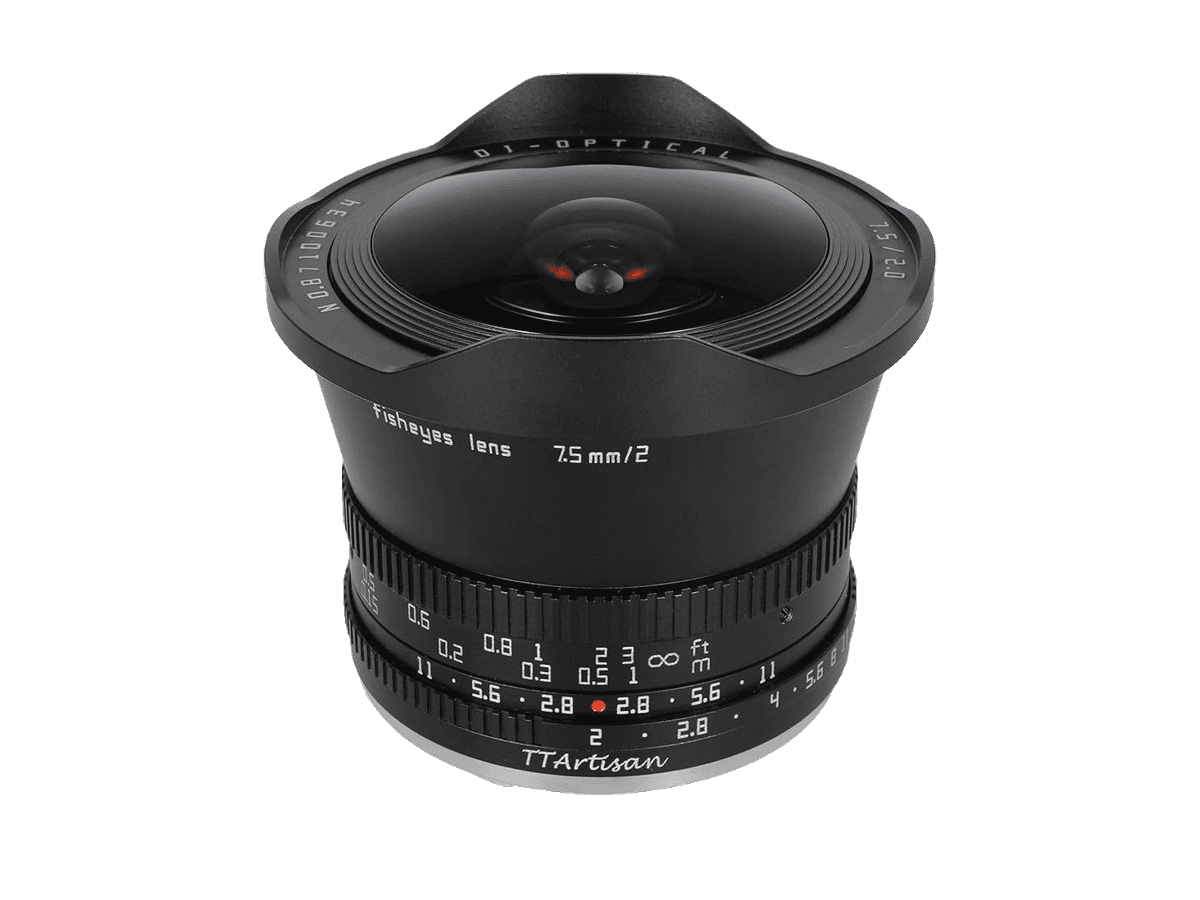
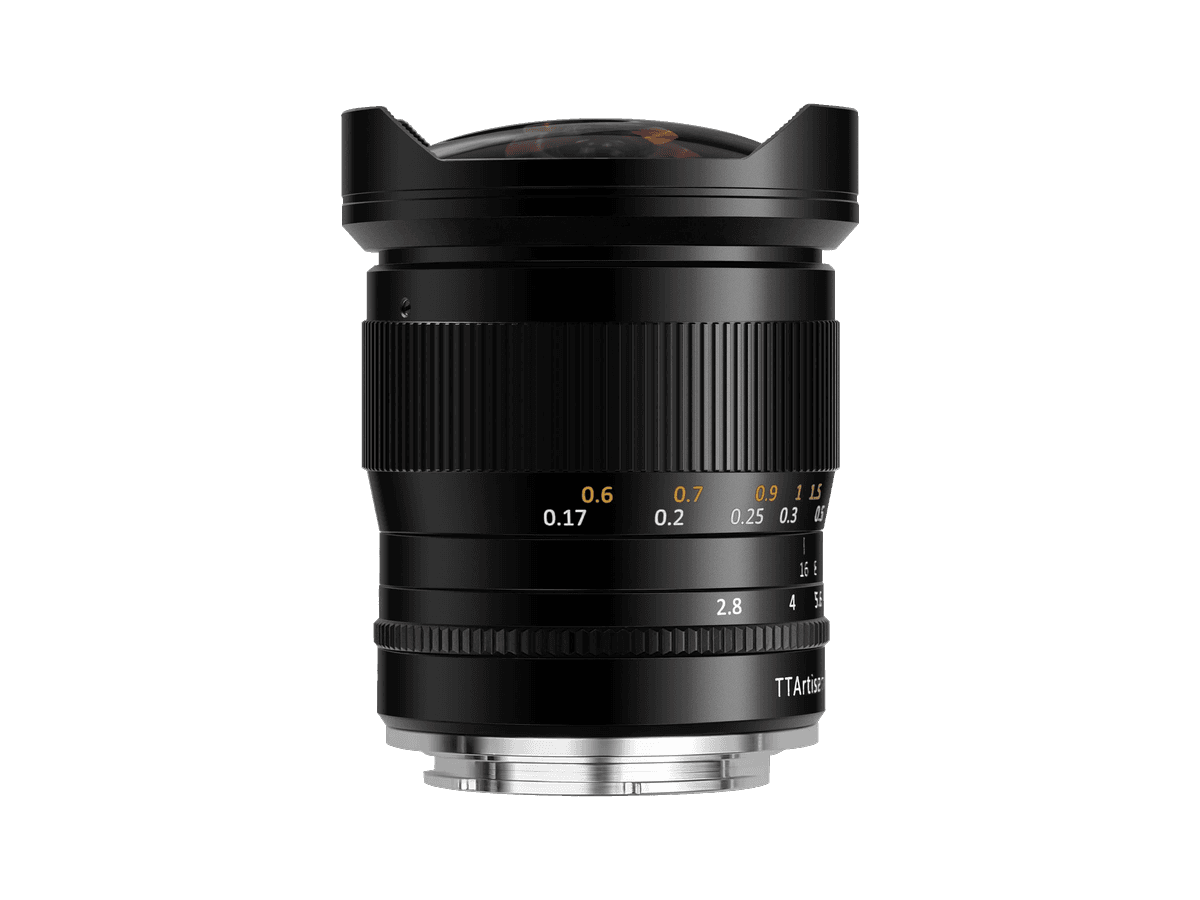
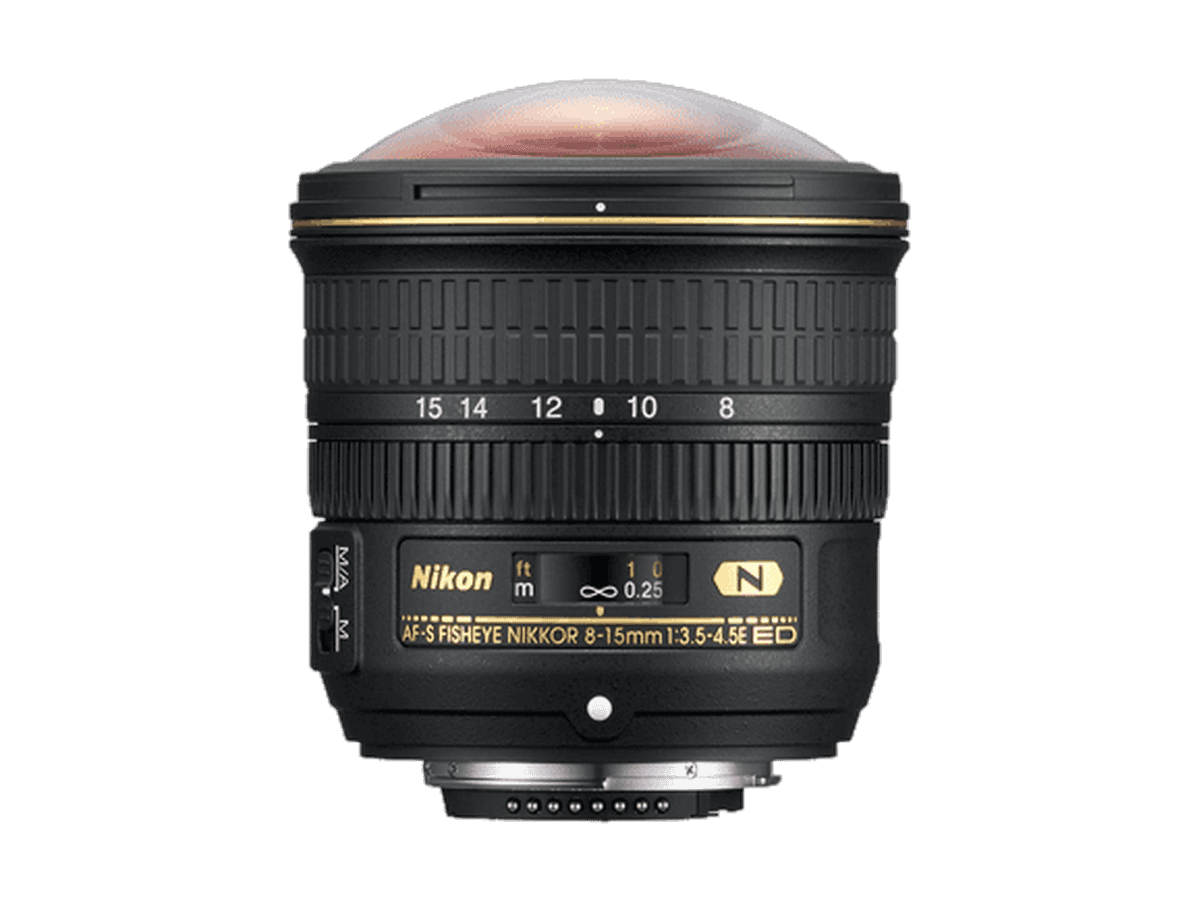
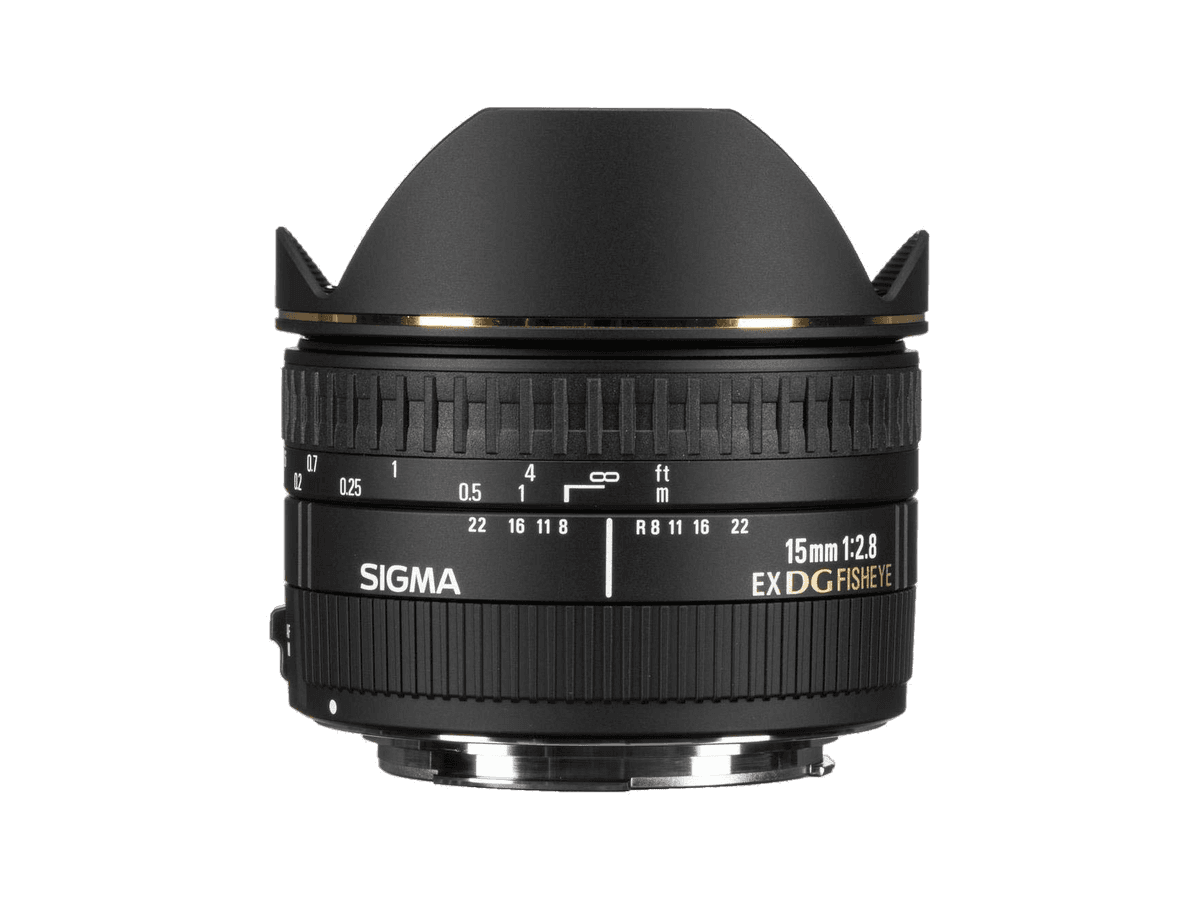
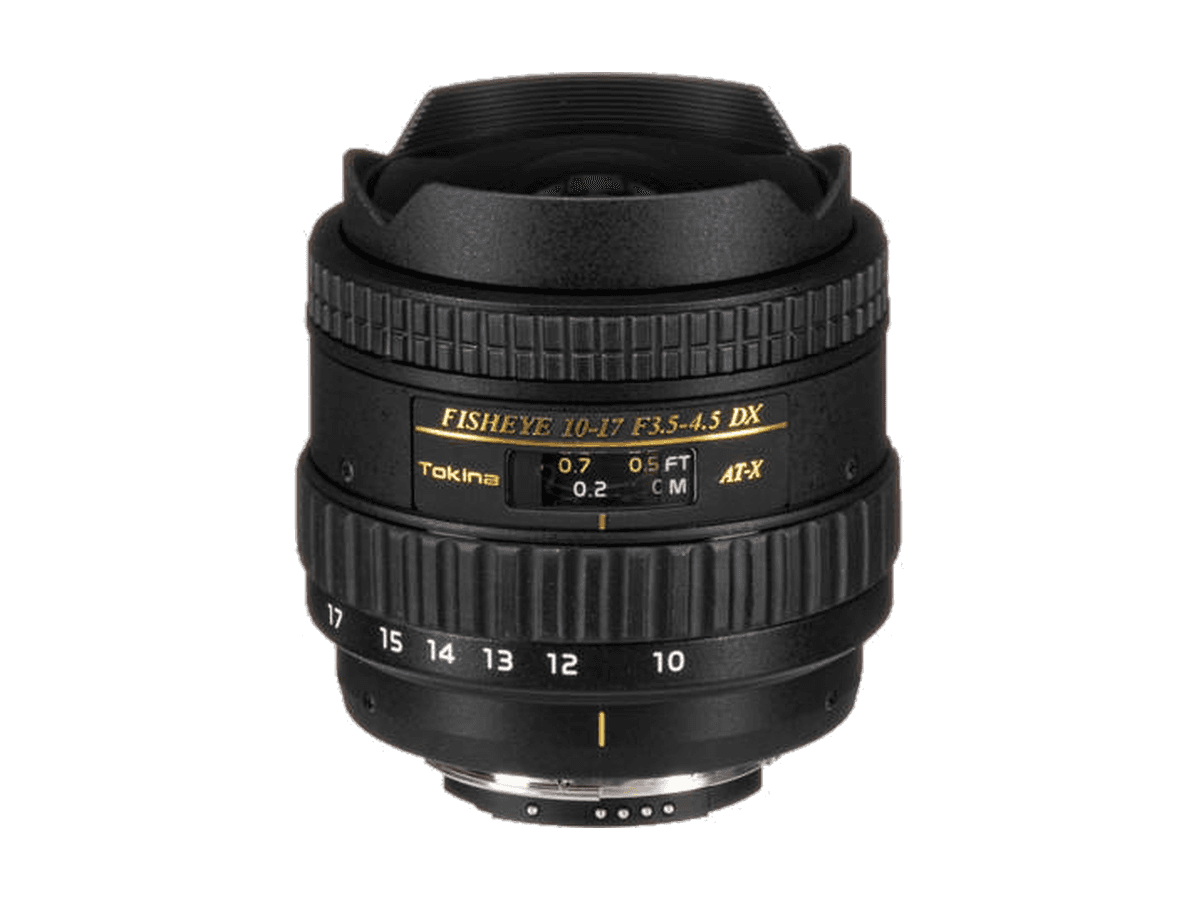
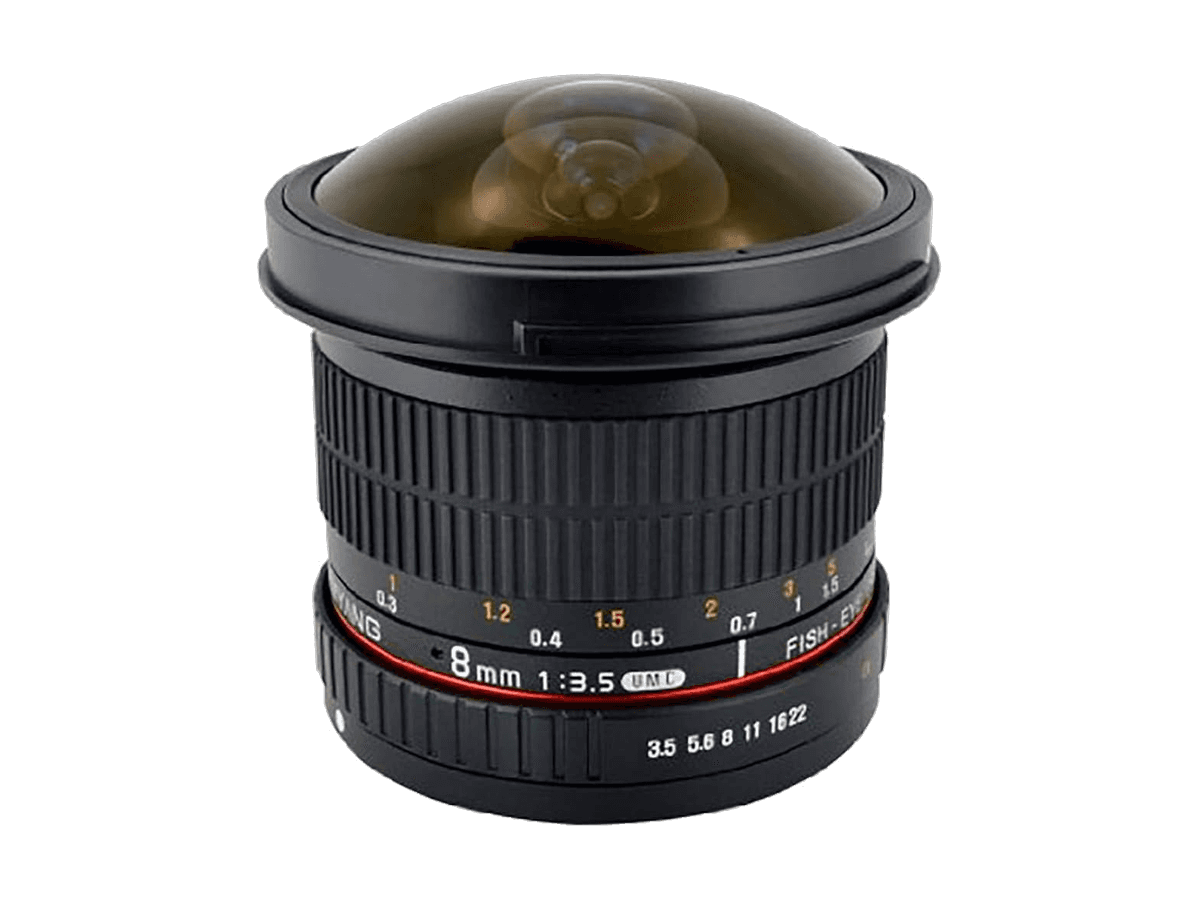
Wider is easier: a wide-angle or fisheye lens covers more of the scene per photo, cutting capture time. Double-check autofocus before you buy — many fisheye options here are manual focus.
Top Pick
Sony 14mm F1.8GM
The FE 14mm F1.8 GM delivers incredible G Master quality and performance with a new perspective from an ultra-wide-angle field of view
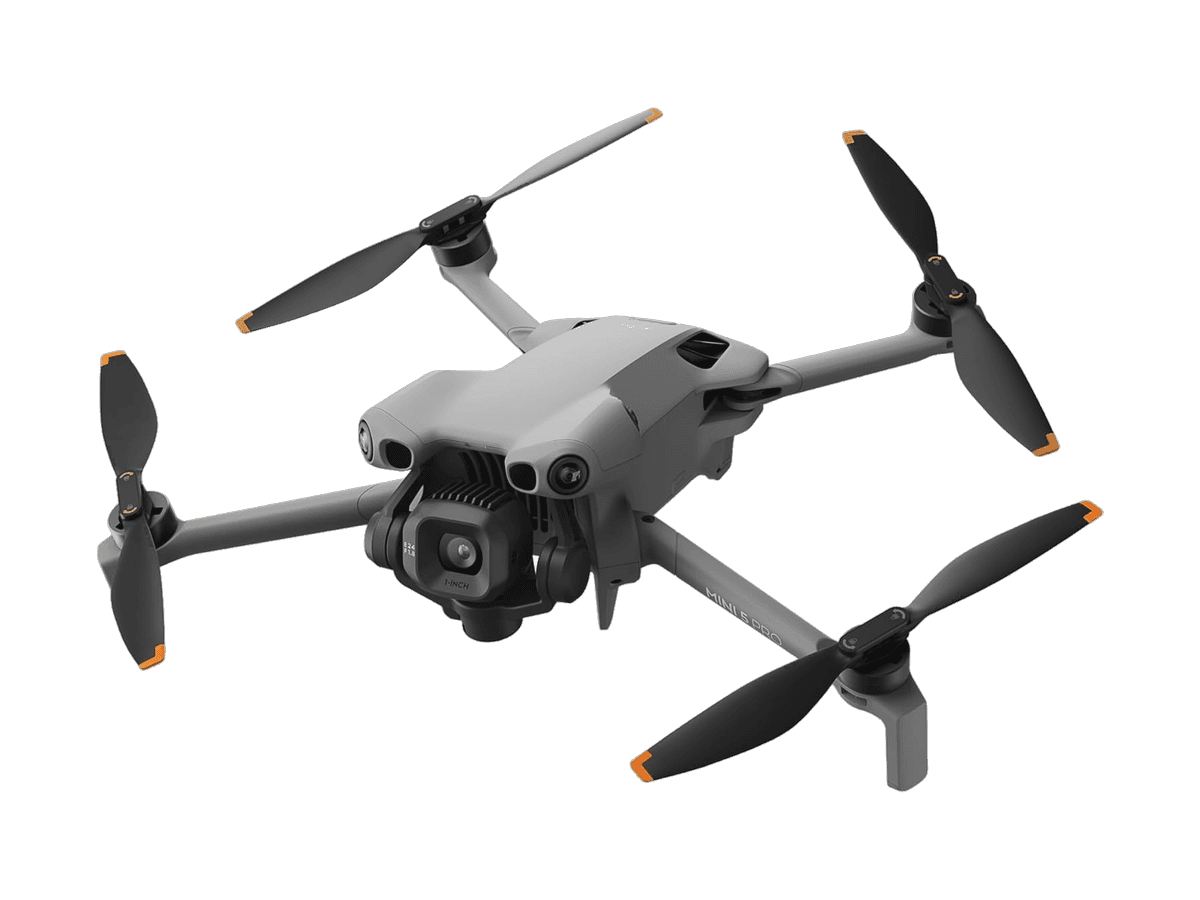
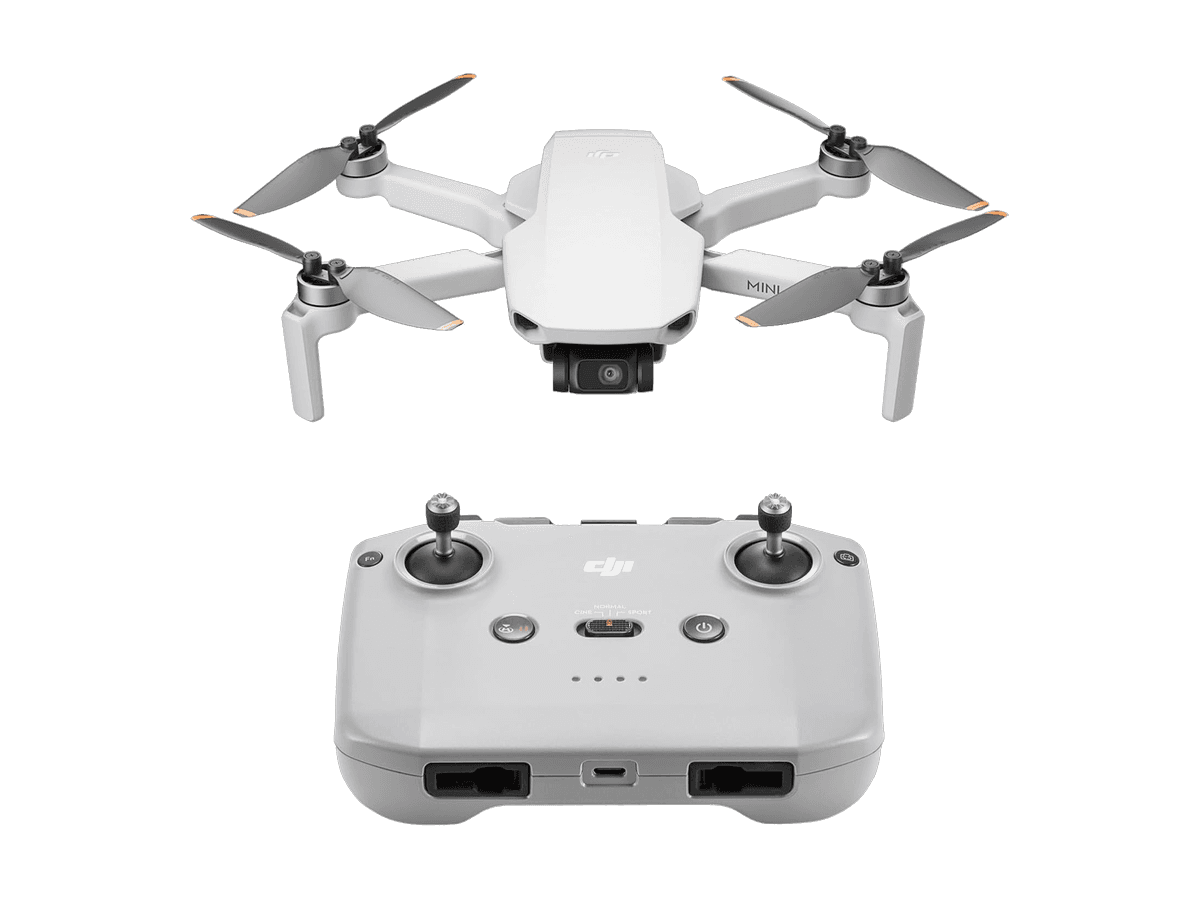
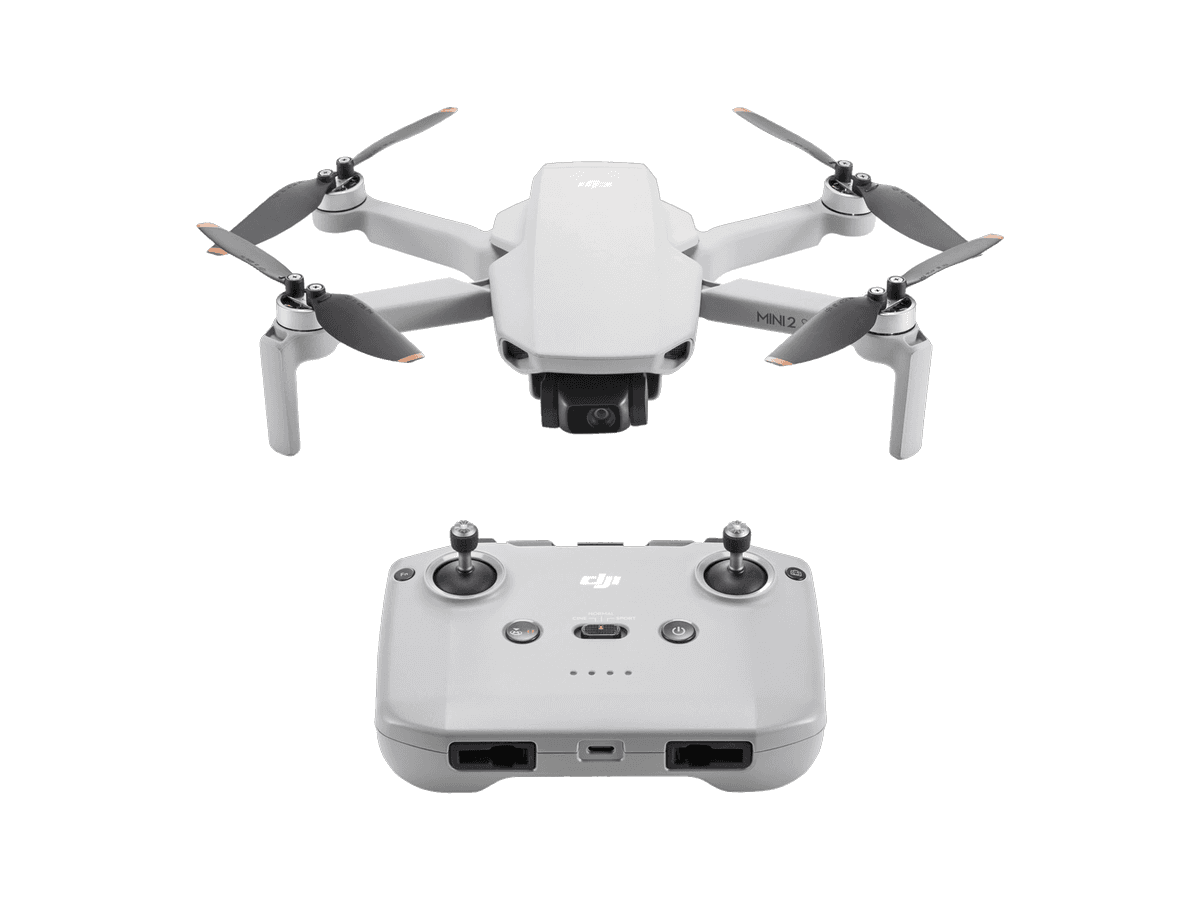
A drone unlocks aerial and large-scale captures. The DJI Mini 5 Pro is the best drone for Gaussian Splatting for most pilots — it stays under 250g, avoiding most registration requirements while shooting 4K.
Top Pick$$
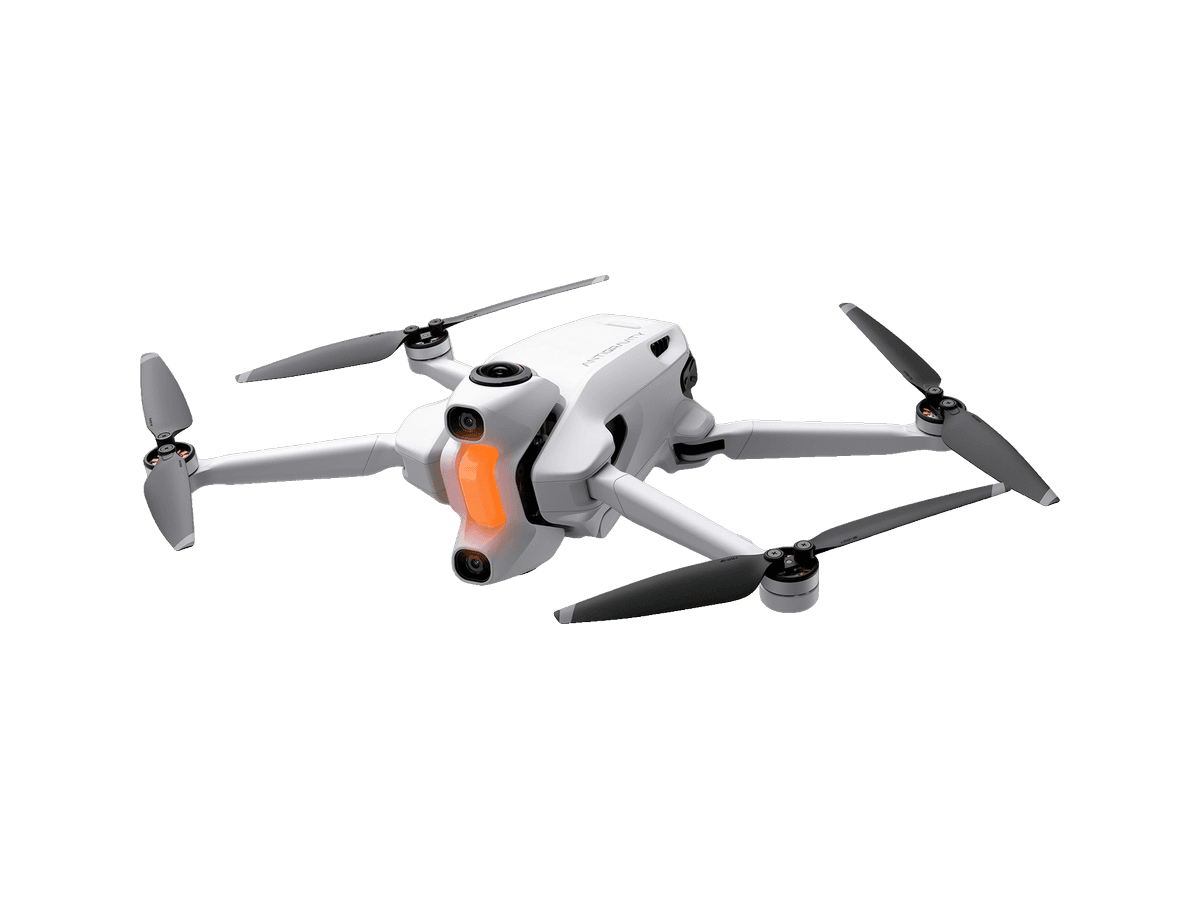
Antigravity A1
A 249g 8K HDR 360 drone. Sky Genie spiral-ascent and orbit modes fly the coverage pattern automatically, and native GPX trajectory export carries the flight path into reconstruction. Under 250g it clears most civil aviation registration thresholds.
An advanced mini drone equipped with a 1/1.3-inch CMOS sensor supporting 4K/60fps HDR video, omnidirectional obstacle sensing, and up to 34 minutes of flight time.
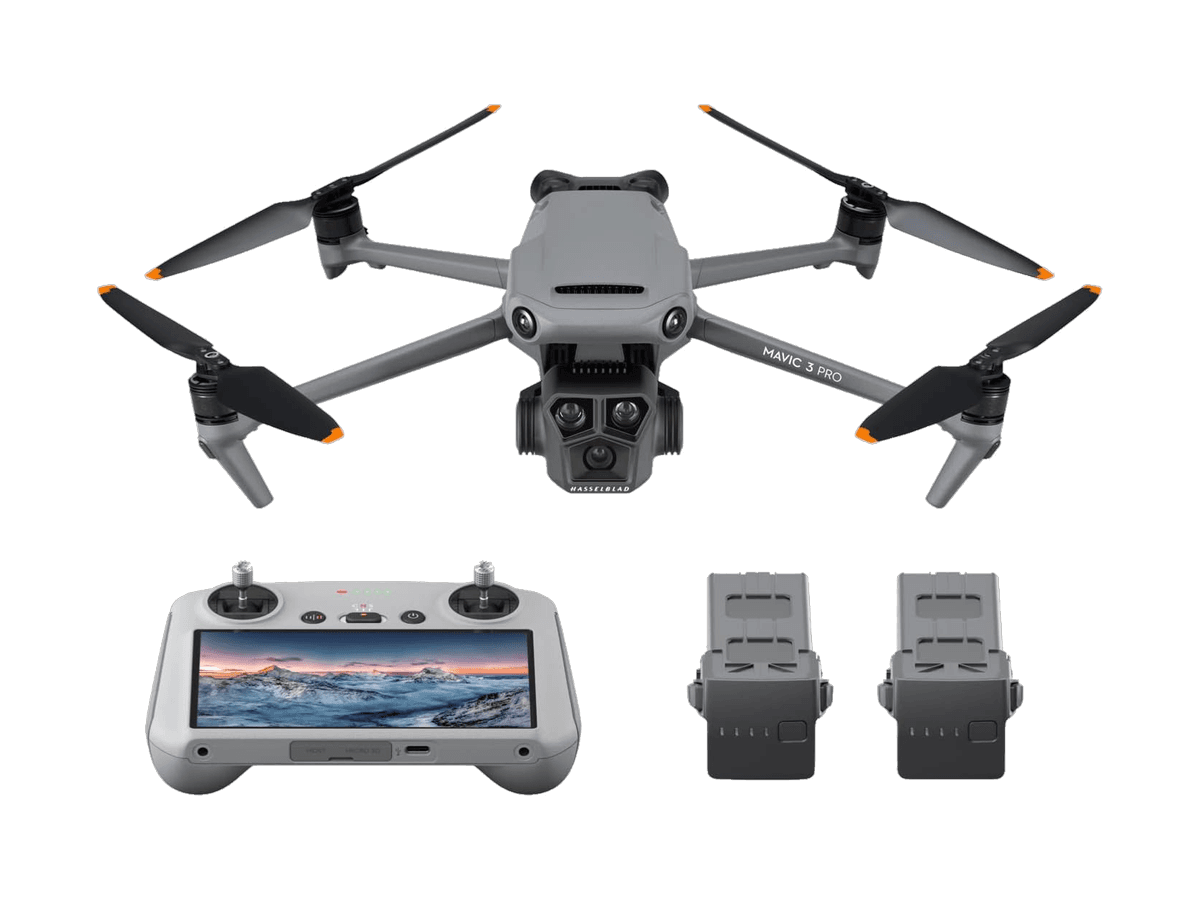
A professional-grade drone featuring a triple-camera system, including a 4/3 CMOS Hasselblad camera, offering advanced imaging capabilities and extended flight time. 958g.
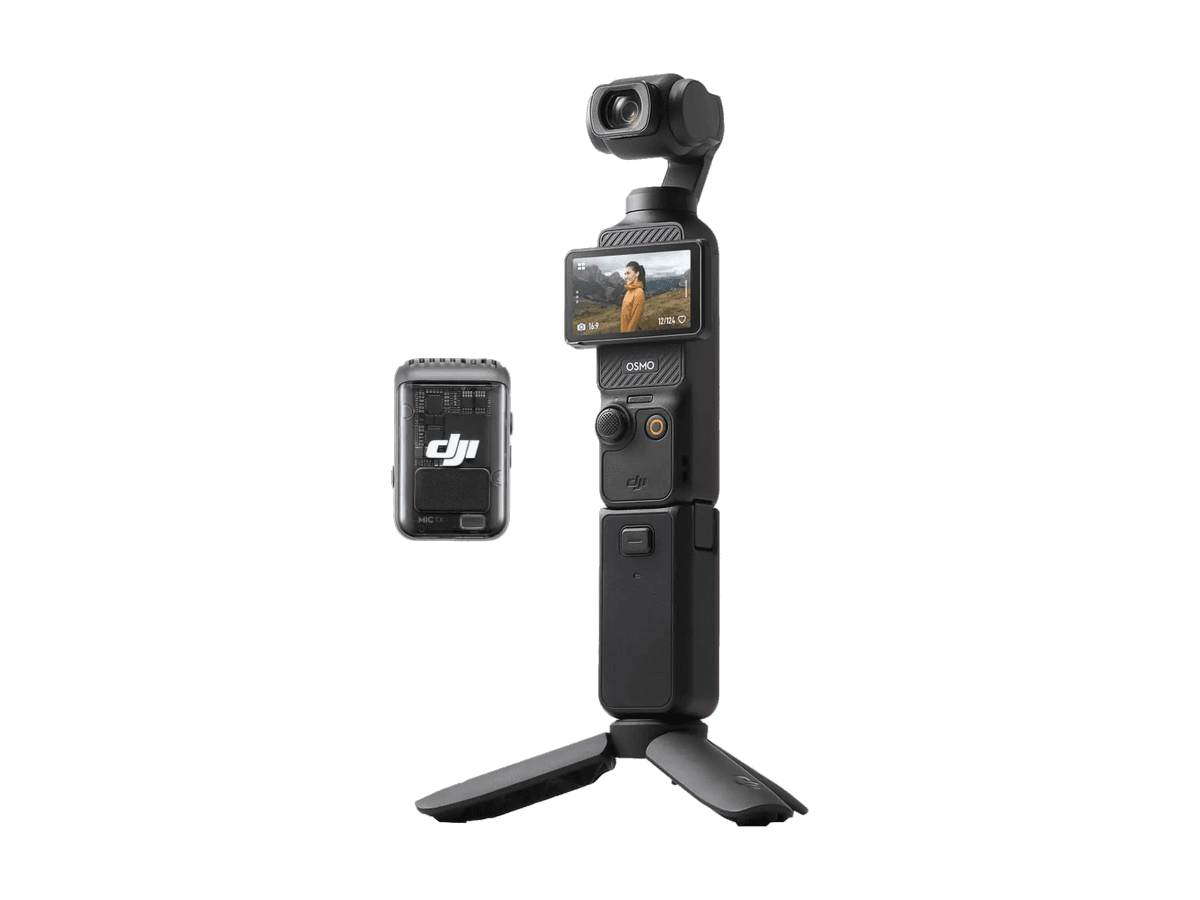
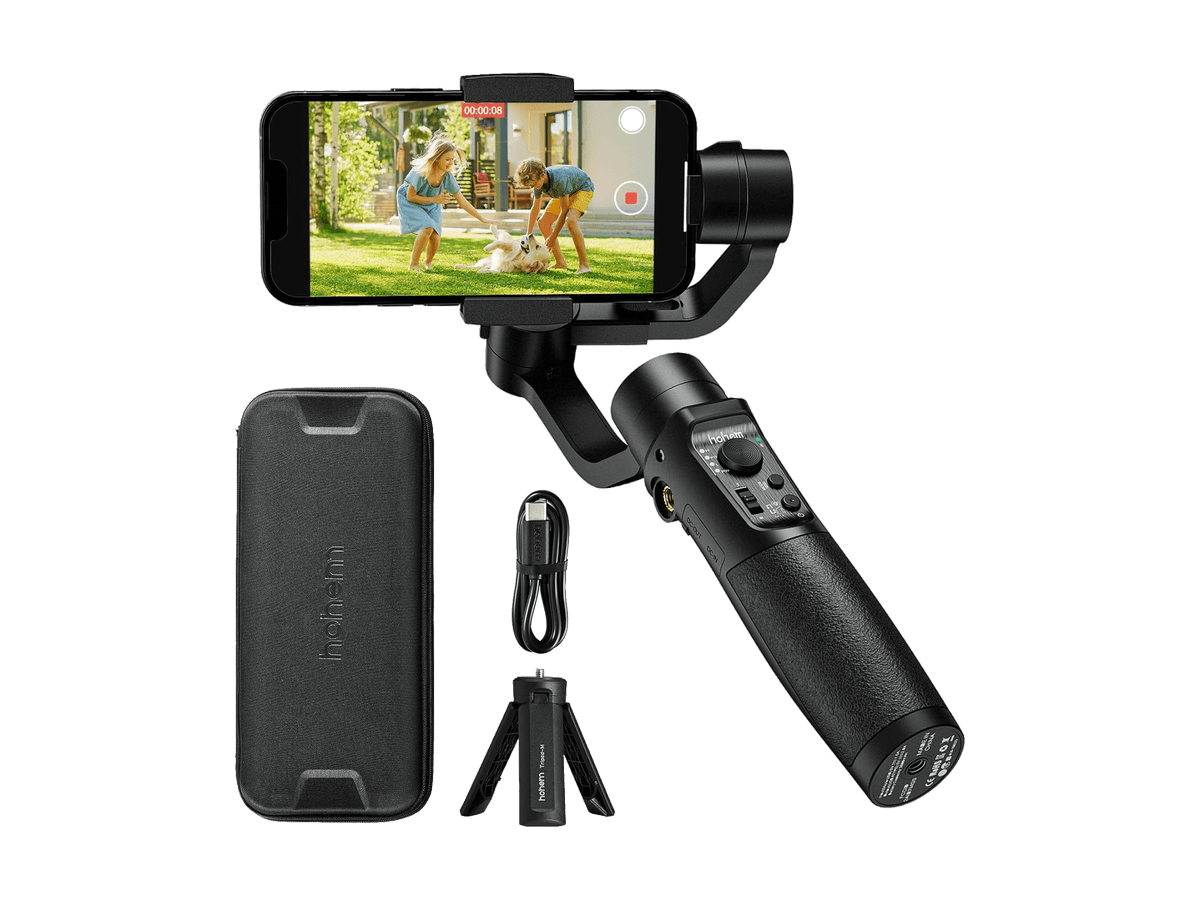
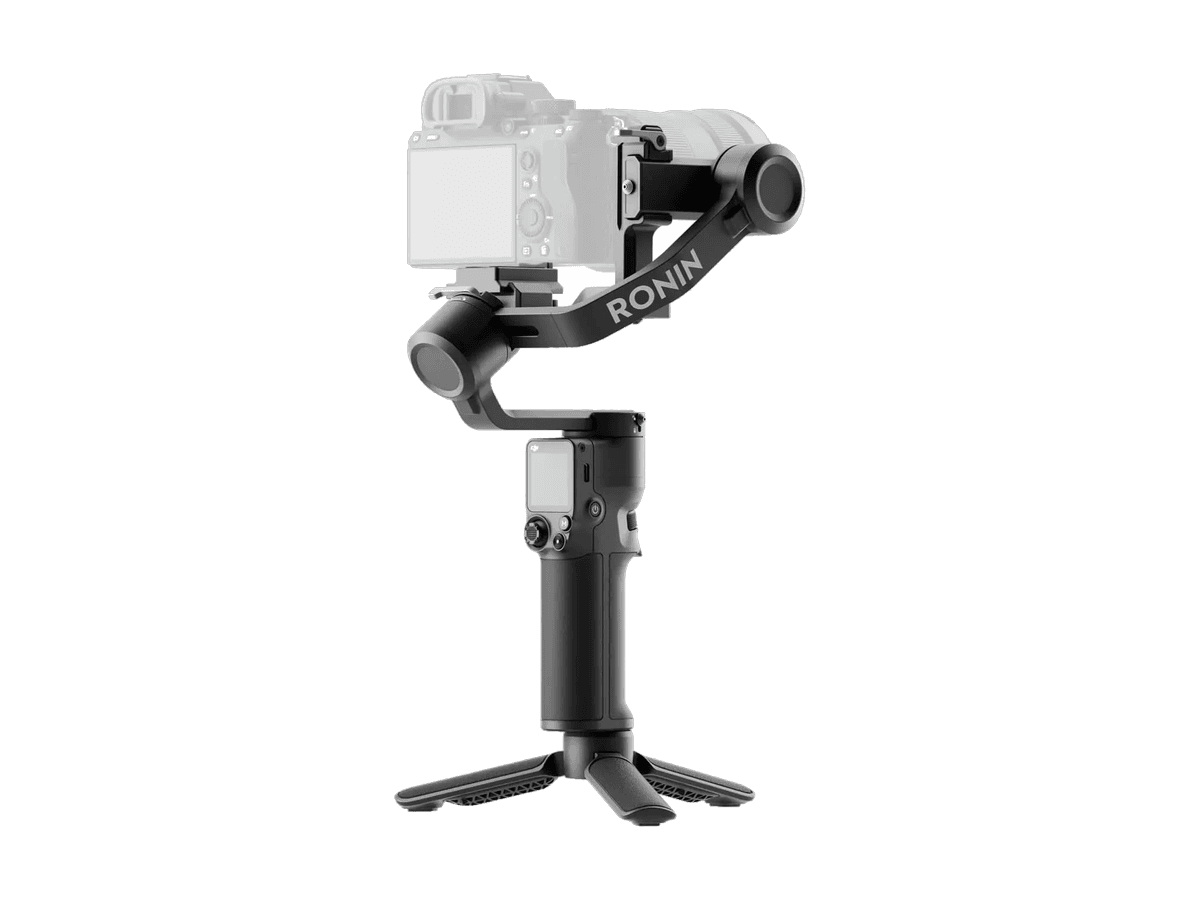
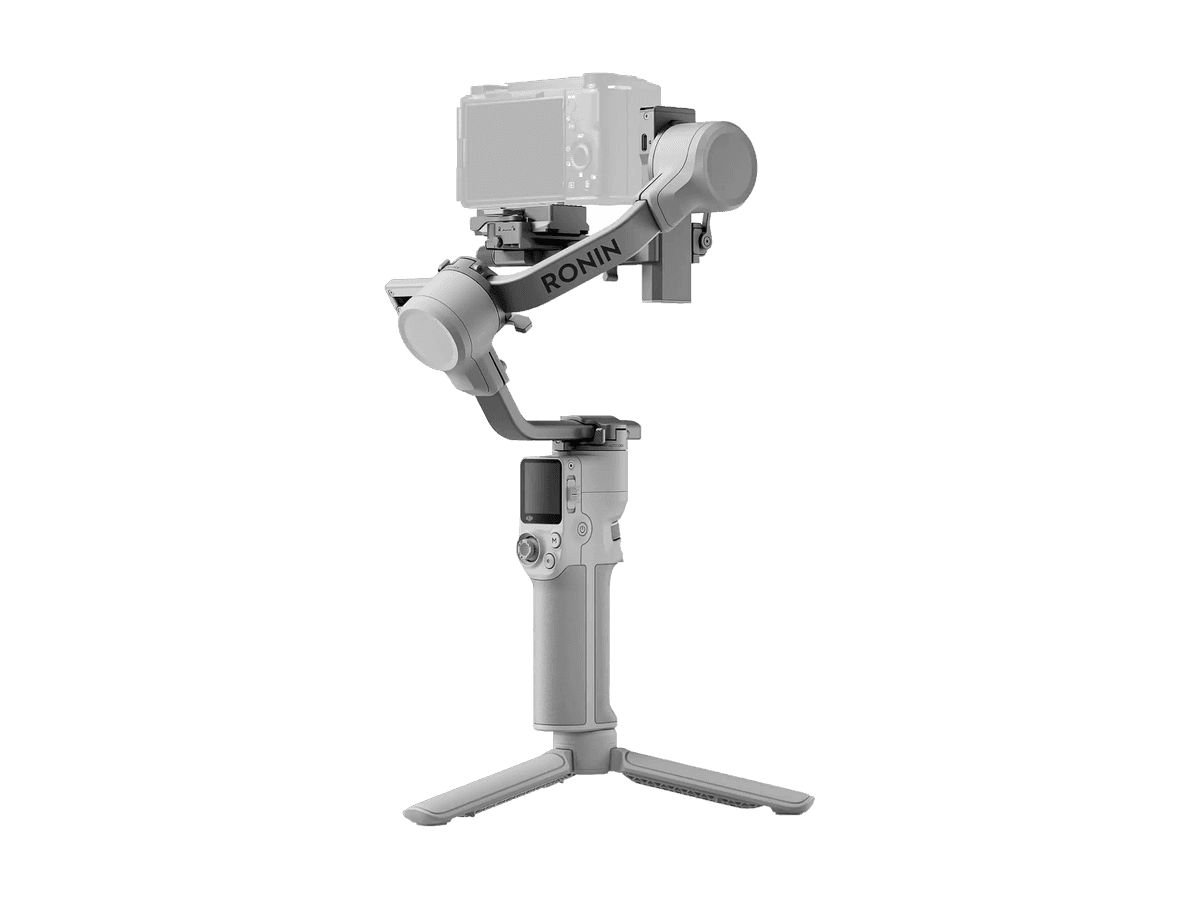
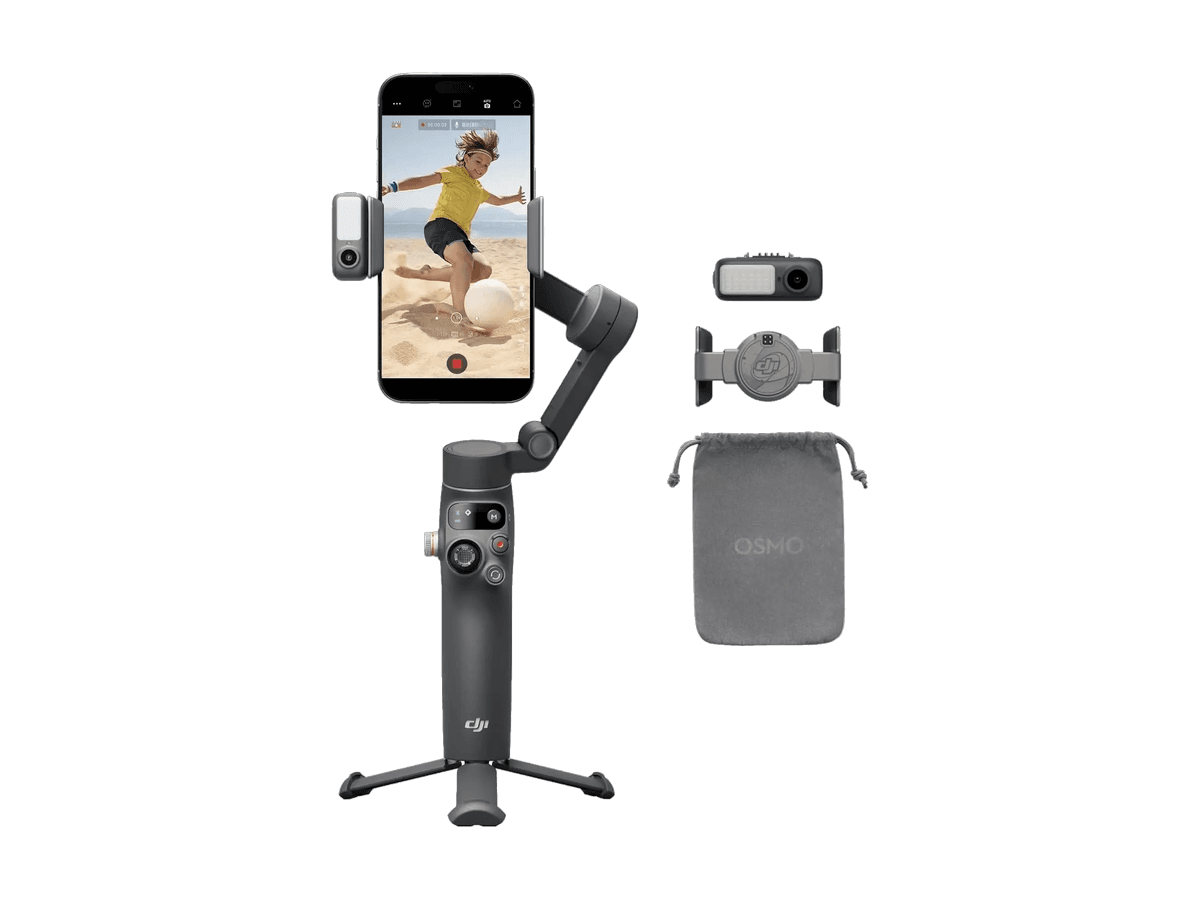
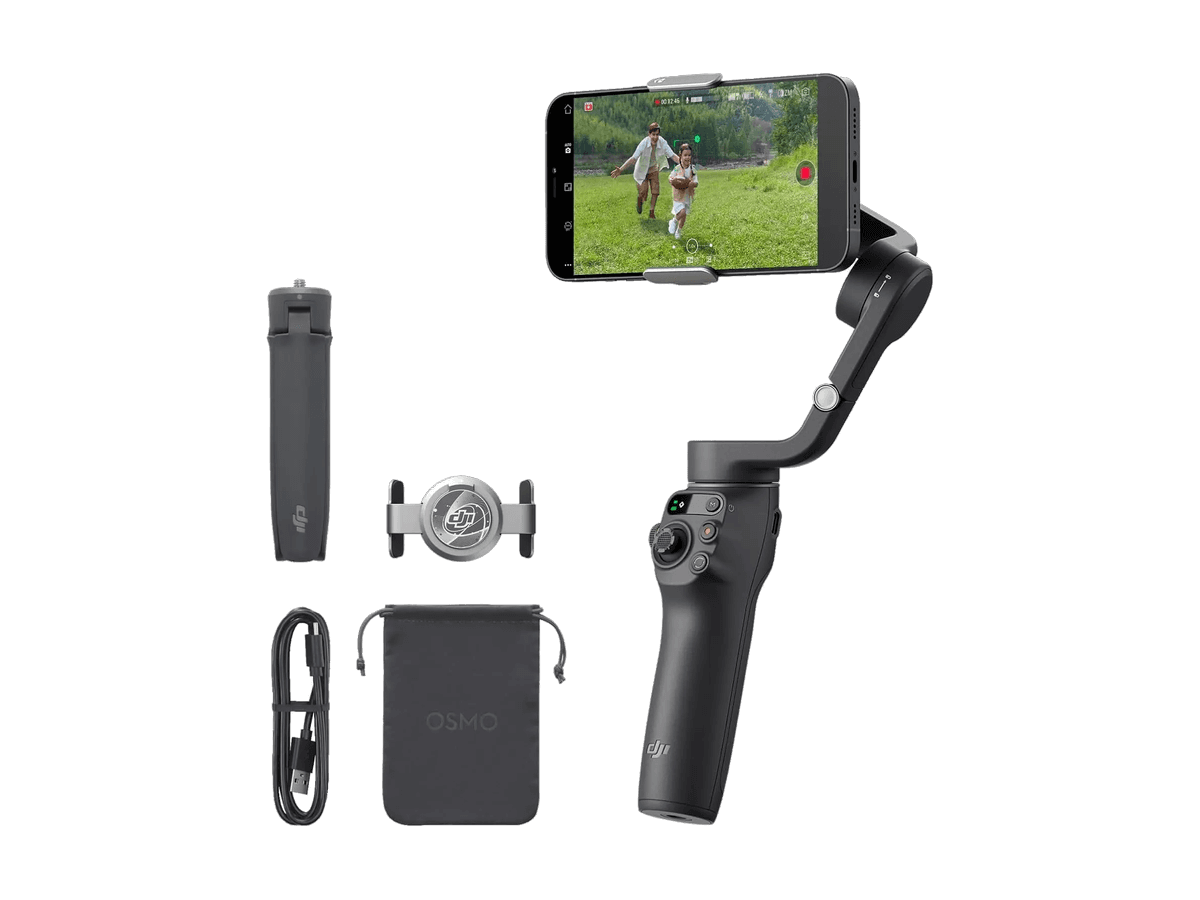
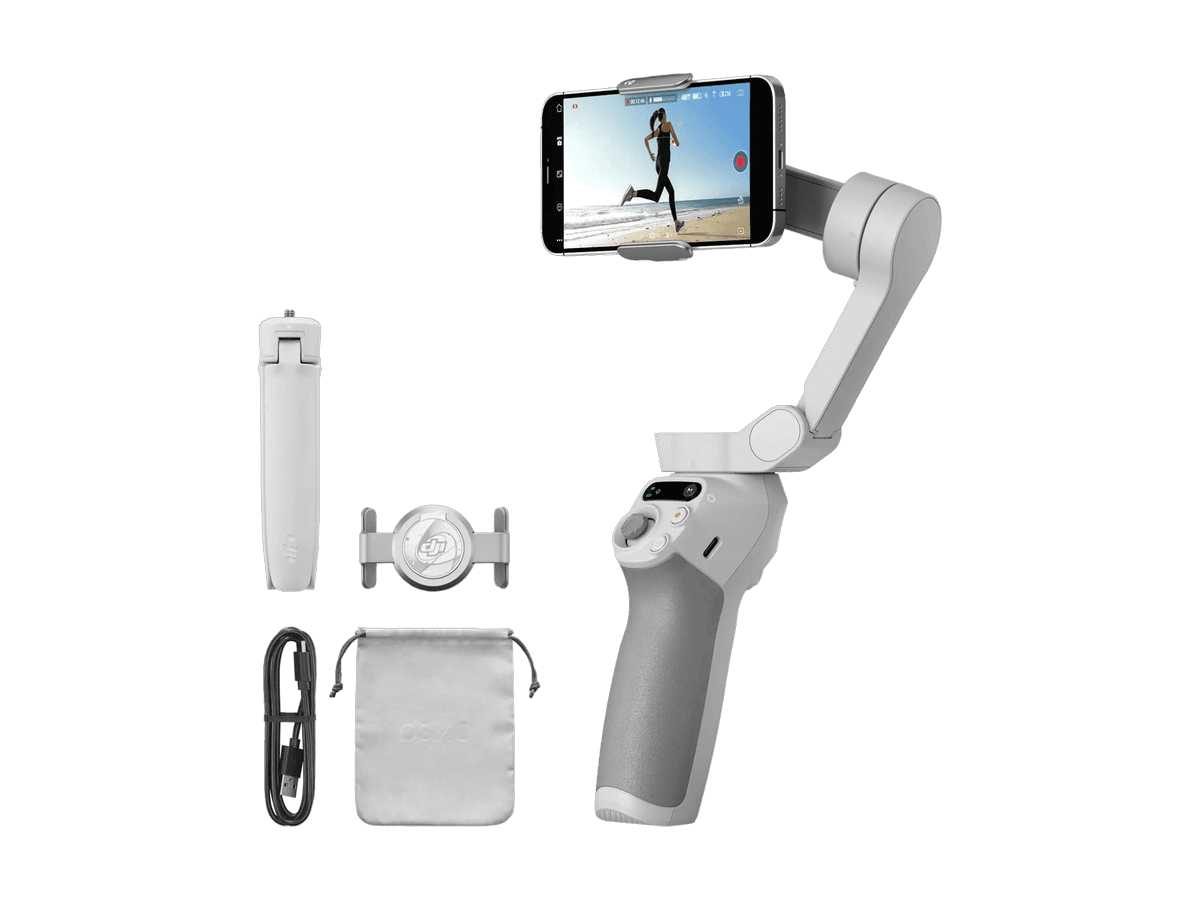
Motion blur is the enemy of clean reconstructions. A gimbal keeps every frame sharp while you move through a scene — the DJI Osmo Mobile 8 and Osmo Pocket 3 are our picks.
Top Pick
DJI Osmo Mobile 8 Gimbal
Accurately track subjects while maintaining stable smartphone footage with the DJI Osmo Mobile 8 Smartphone Gimbal. The updated gimbal stabilizer offers a Multifunctional Module and ActiveTrack 7.0 technology.
What's the best hard drive for Gaussian Splatting data?
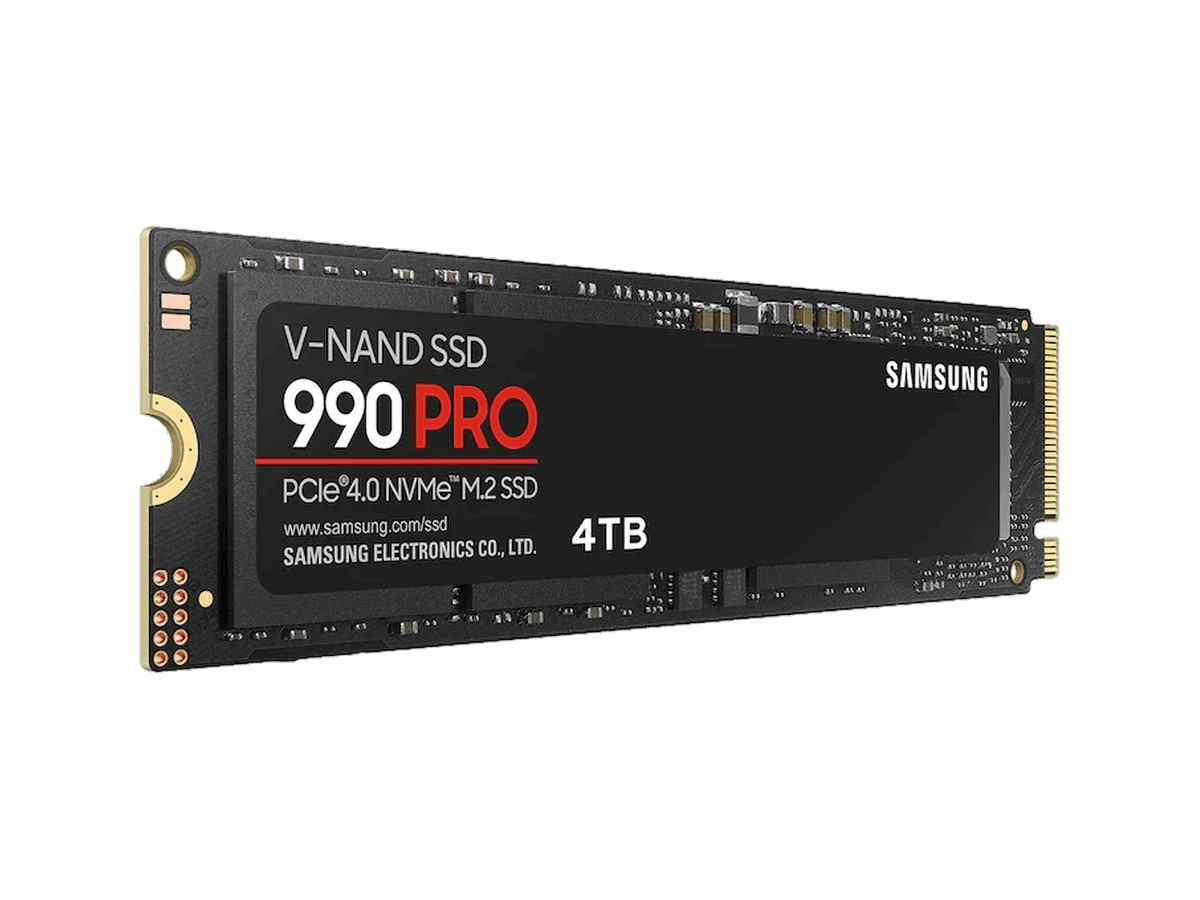
Datasets, COLMAP workspaces, and training checkpoints fill storage fast. Use a fast SSD like the Samsung 990 PRO for active projects and high-capacity HDDs for archiving finished scenes.
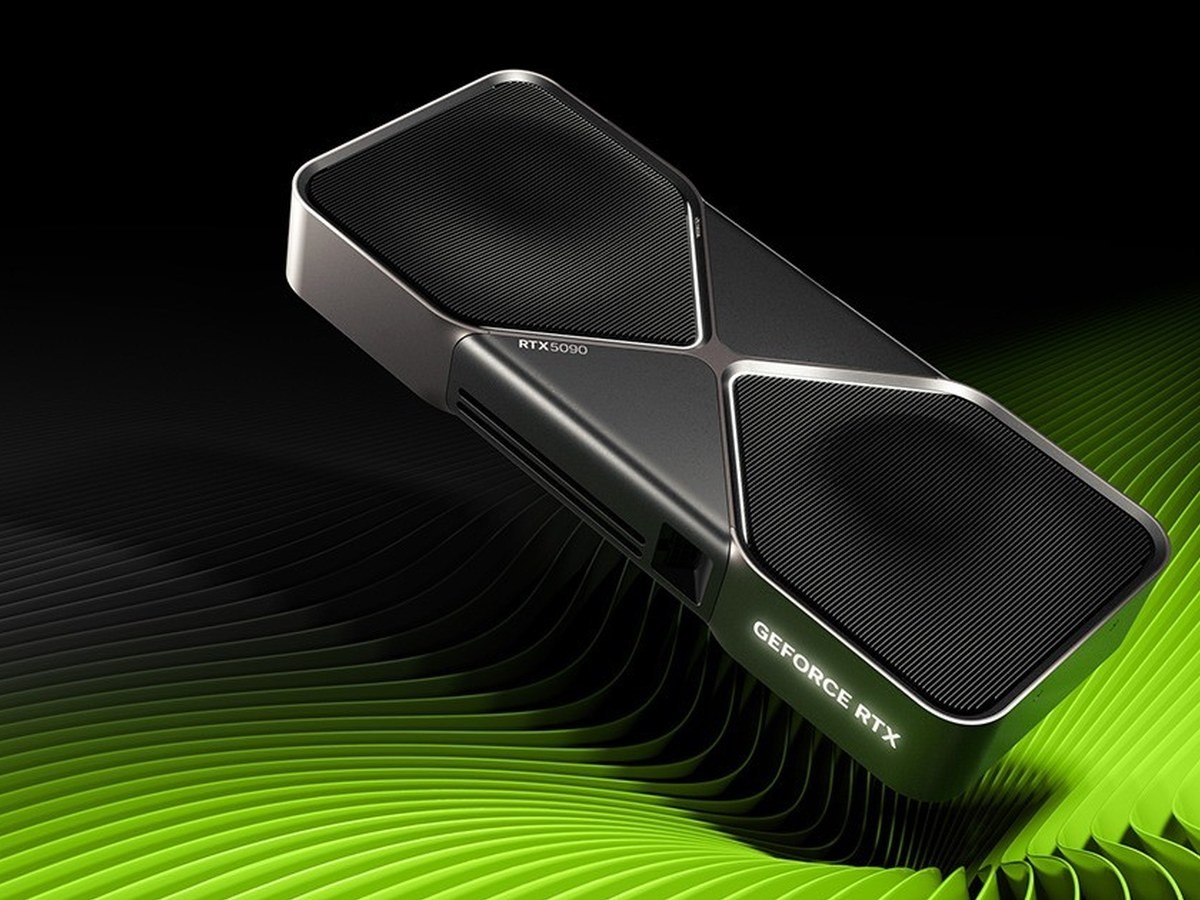
Training 3D Gaussian Splatting is VRAM-hungry: 12GB is a comfortable minimum, and 24GB+ gives headroom for large scenes. The RTX 4090 and 5090 are the strongest consumer picks.
The flagship GPU of the 40 Series, boasting 16,384 CUDA cores and 24 GB GDDR6X memory, delivering exceptional performance for gaming and professional applications.
A professional-grade GPU based on the Ada Lovelace architecture, offering 48 GB GDDR6 ECC memory, optimized for AI, data science, and high-performance computing workloads.
What's the best VR headset for viewing Gaussian Splats?
Radiance fields are at their best inside a headset. The Meta Quest 3S is the most affordable way to step into your splats, with standalone viewers available on the Quest store.
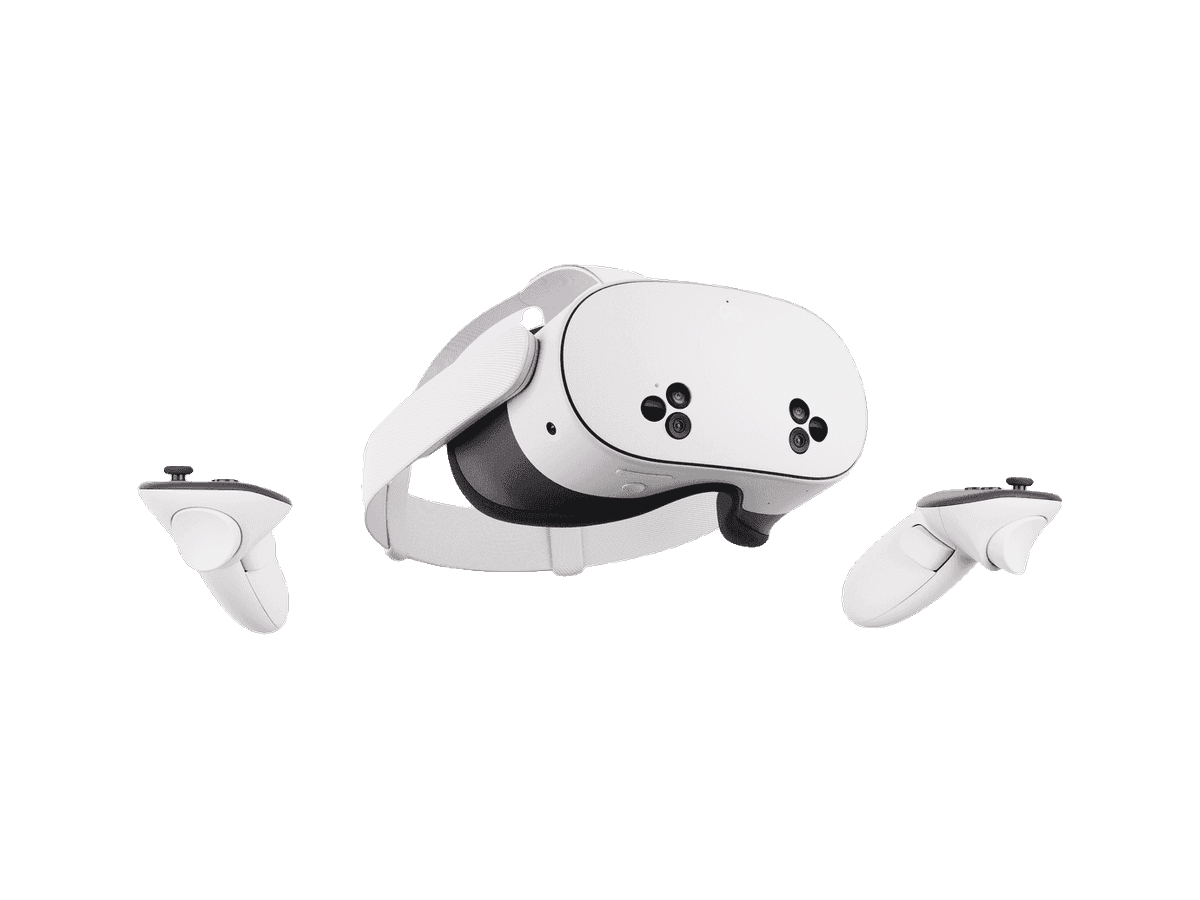
The Meta Quest 3S is a more affordable variant of the Quest 3, featuring Fresnel lenses with a resolution of 1832 x 1920 pixels per eye and a refresh rate between 72 Hz and 120 Hz.
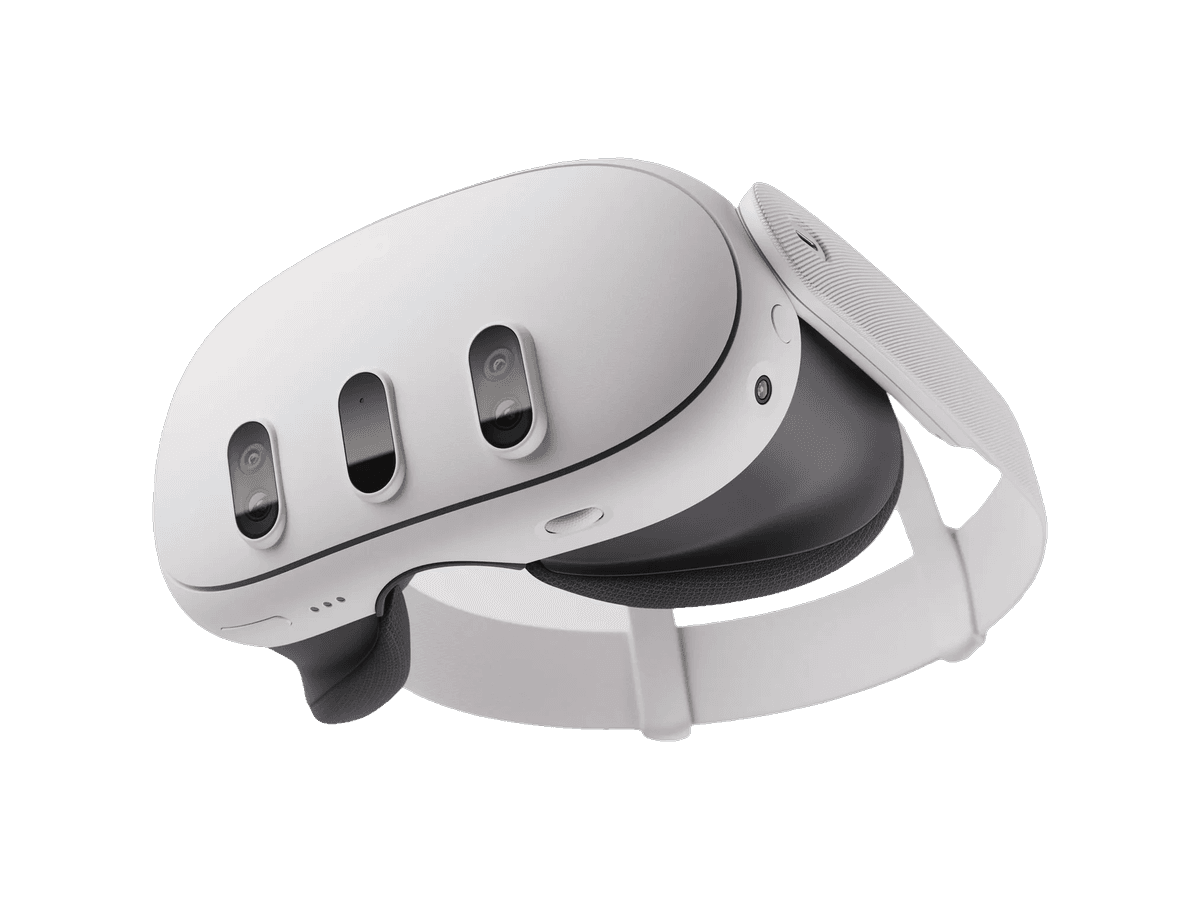
The Meta Quest 3 is a standalone VR headset equipped with an LCD display offering a resolution of 2064 x 2208 pixels per eye, a refresh rate ranging from 72 Hz to 120 Hz, and a field of view of 110° horizontal and 96° vertical.
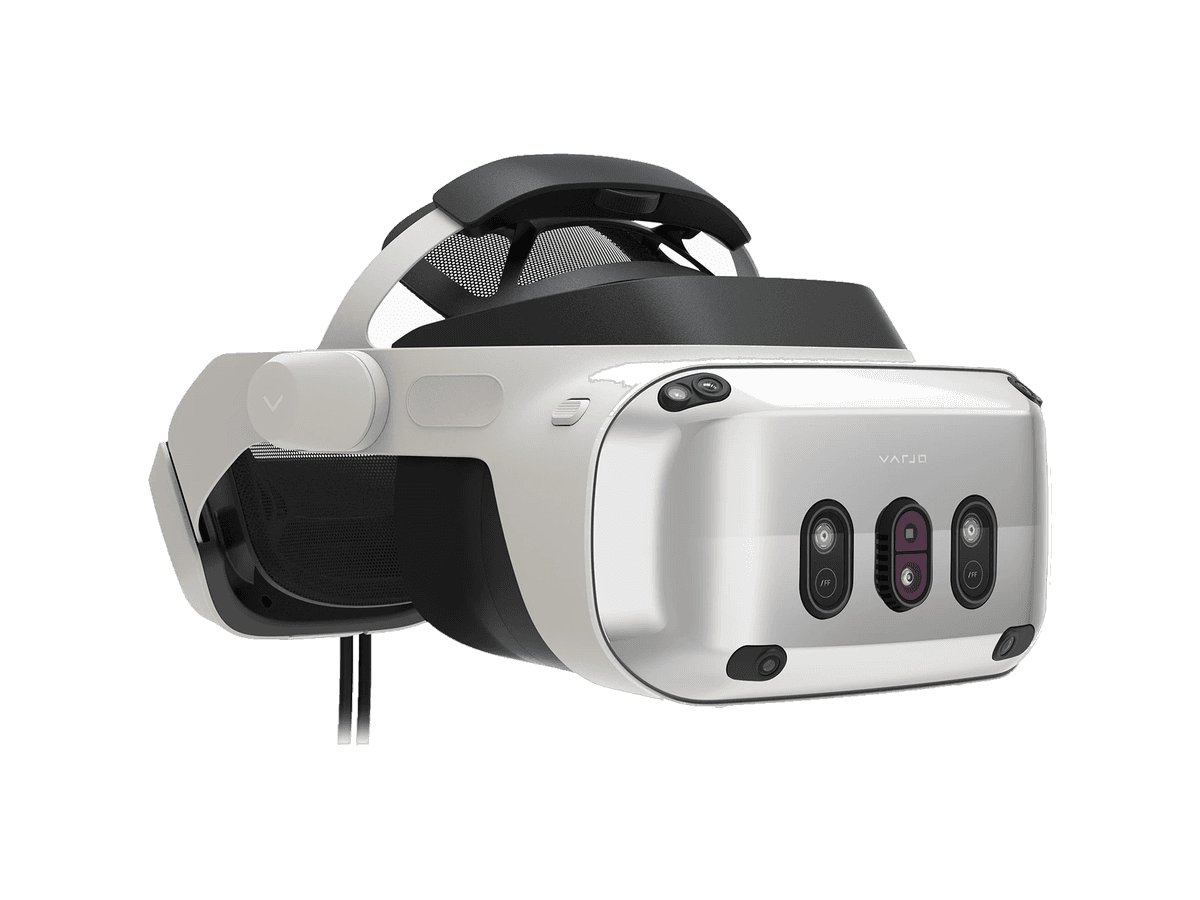
The Varjo XR-4 is a high-end mixed reality headset designed for professional use, featuring dual mini-LED displays with a resolution of 3840 x 3744 pixels per eye, a refresh rate of 90 Hz, and a field of view of 120° horizontal and 105° vertical.
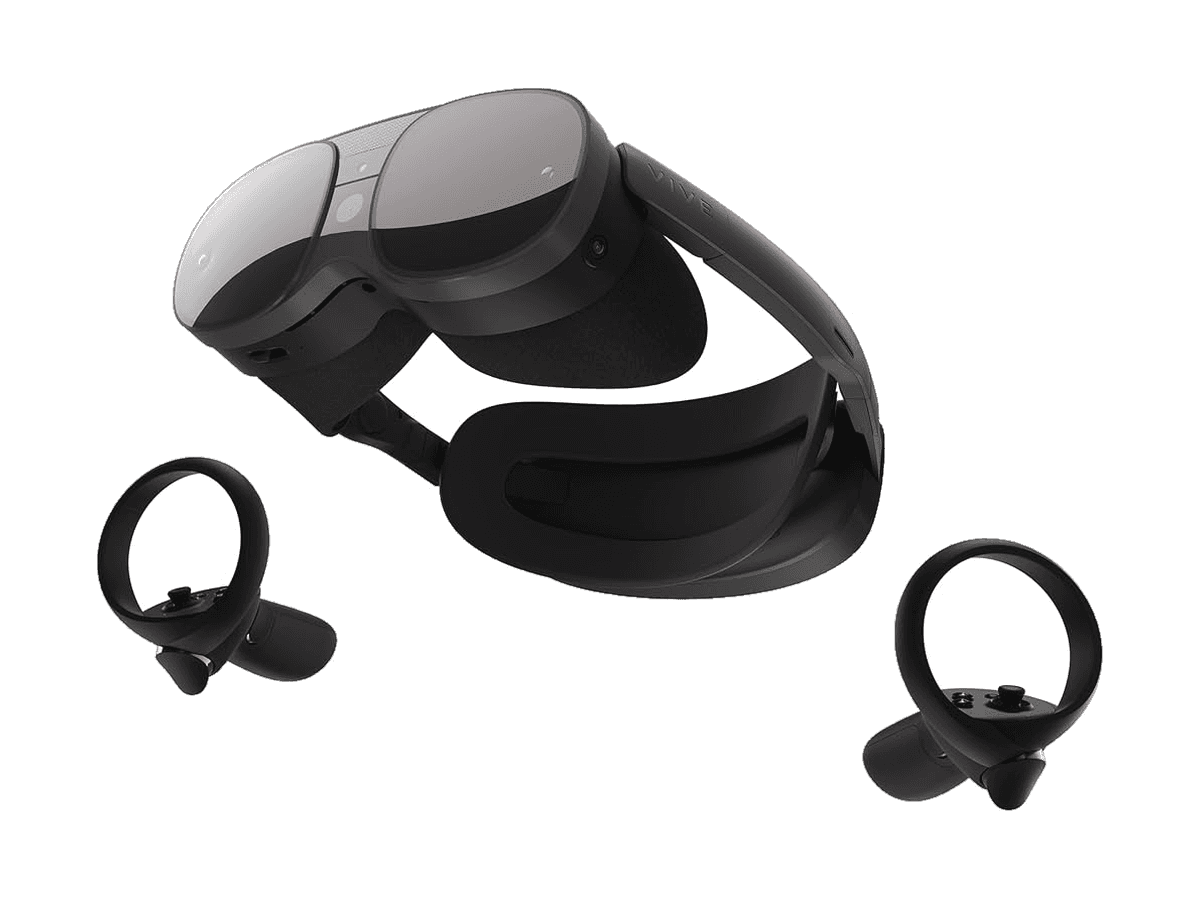
The HTC VIVE XR Elite is a standalone virtual reality headset featuring dual LCD displays with a resolution of 1920 x 1920 pixels per eye, a refresh rate of 90 Hz, and a field of view up to 110 degrees.
Field-tested. We favor hardware we’ve used on real radiance field projects or evaluated hands-on.
Spec fit. Wide coverage, low-light performance, and stable motion for capture; VRAM and bandwidth for training.
Total cost. Durability, ecosystem, and upgrade paths — not just sticker price.
Availability. Picks favor widely available models with dependable support.
Last updated: October 2026. We revisit picks as new hardware ships.
Frequently asked questions
What is the best camera for Gaussian Splatting?
Almost any modern camera works for Gaussian Splatting — sharp, well-exposed images matter far more than the badge on the body. If you are buying new, high-resolution mirrorless bodies like the Sony A7R V give reconstructions the most detail, while a 360 camera like the Insta360 X6 is the fastest way to cover a whole scene.
Can I capture Gaussian Splats with just my phone?
Yes. Phone apps can produce impressive splats and are the easiest way to start. A dedicated camera mainly buys you sharper detail, better low-light performance, and more control over exposure — which translates into cleaner reconstructions of larger or darker scenes.
No, but it is the biggest quality-of-life upgrade for capture. Because a 360 camera records every direction at once, a single walk through a space can replace hundreds of individually framed photos.
How many photos do I need for a Gaussian Splat?
Most object and room-scale captures use roughly 100 to 300 images. The key is overlap: each part of the scene should appear in several photos taken from different positions, with slow movement to avoid motion blur.
What GPU do I need to train 3D Gaussian Splatting?
A GPU with at least 12GB of VRAM, such as an RTX 4070 or better, is a comfortable starting point for standard scenes. Large or high-resolution scenes benefit from 24GB or more — an RTX 4090, 5090, or workstation cards like the A6000 Ada. Rendering finished splats is far less demanding than training them.
Yes — a wide field of view means fewer photos to cover the same scene, and several popular pipelines support fisheye camera models. Just confirm your reconstruction software handles fisheye distortion, or plan to undistort images first, and note that many fisheye lenses are manual focus.
What drone should I buy for Gaussian Splatting?
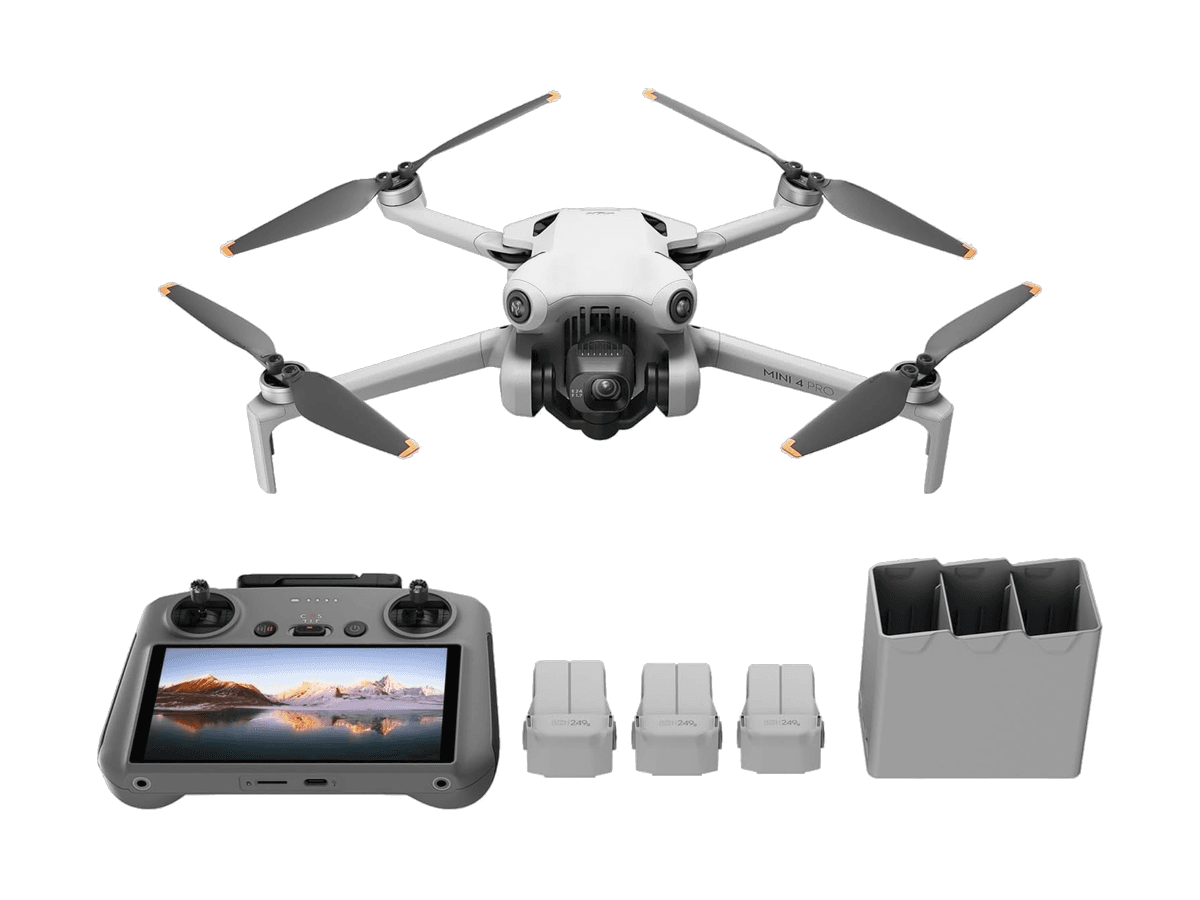
For most people, a sub-250g drone like the DJI Mini 5 Pro or Mini 4 Pro is the sweet spot: excellent image quality, obstacle avoidance, and a weight class that avoids most registration requirements. Heavier drones like the Mavic 3 Pro add larger sensors for demanding professional captures.
How much storage do I need for Gaussian Splatting?
Plan for more than you think: raw captures, extracted frames, COLMAP workspaces, and training checkpoints regularly push a single project past 100GB. A fast NVMe SSD for active training plus high-capacity HDDs for archiving is the setup we recommend.
Can I view Gaussian Splats in VR?
Yes — viewing splats in a headset is one of the most compelling ways to experience them. Standalone headsets like the Meta Quest 3 and Quest 3S can render Gaussian Splats directly, no PC required, using viewers available on the Quest store.
Do I need a LiDAR SLAM scanner for Gaussian Splatting?
No. Cameras and phones produce excellent splats on their own. A SLAM scanner adds what imagery alone cannot: true physical scale, a survey-grade point cloud from the same pass, and, on RTK-equipped models, georeferenced output. That makes them the tool of choice for AEC, surveying and heritage work, where a splat has to line up with measured geometry.
Which SLAM scanners make Gaussian Splats without extra software?
Every scanner in this guide trains splats inside its maker's own pipeline: XGRIDS LCC Studio and LCC Cloud, 3DMakerPro RayStudio, Feima SLAM GO POST, SHARE PointClouds Studio, FJD Trion Model, GreenValley LiDAR360MLS, Stonex Cube-3D Genesys, CHCNAV CoCloud and FARO Sphere XG. Some run on a desktop GPU, others in the cloud, and licensing ranges from free for the life of the device to an annual subscription, so check the software terms as closely as the hardware specs.
How does RadianceFields.com choose the gear in this guide?
Picks favor hardware we have used on real radiance field projects or evaluated hands-on, weighted by spec fit for capture and training, total cost of ownership, and availability. The guide is reader-supported: links are affiliate links, and as an Amazon Associate, RadianceFields.com earns from qualifying purchases at no extra cost to you.
 Top Pick$$$$