Killian Cartelier has rebuilt the desktop half of SplataraScan around Spirula Studio, replacing its COLMAP and RealityScan stages. Cartelier announced the change in the project's Discord.
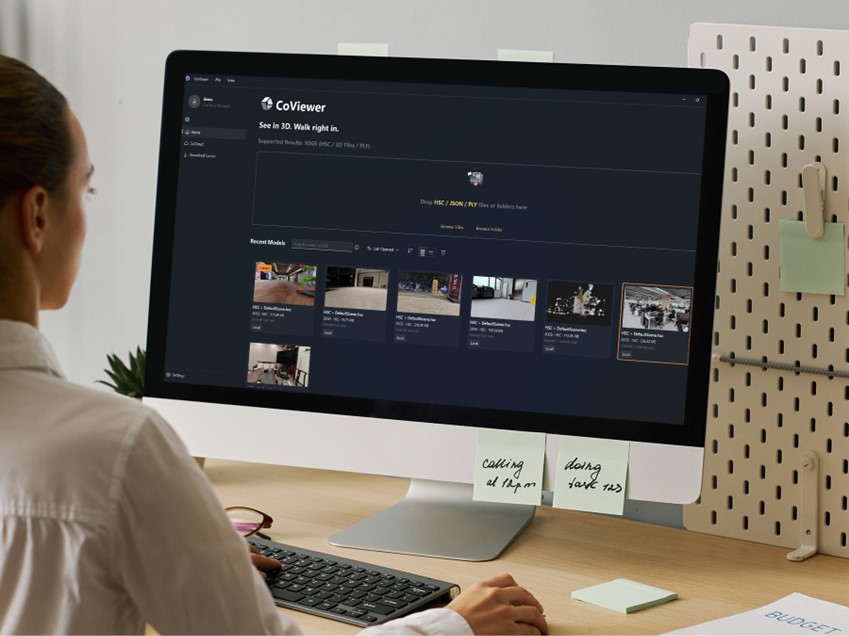
SplataraScan captures gaussian splats on a Meta Quest headset and hands the frames to a free Windows companion that does the processing. Splatara still serves the previous companion from the same host as a 10 GB archive, and the replacement is a 240.7 MB one.
Cartelier first built against custom COLMAP branches using Caspar, the GPU bundle adjustment backend that arrived in COLMAP 4.1.0, then tried an integration with LichtFeld Studio, and ran into issues restricting too many hardware setups. Caspar is CUDA only and disabled by default in COLMAP, and LichtFeld Studio currently requires an NVIDIA GPU of compute capability 7.5 or newer and does not support AMD, Intel, or Mac for the time being.
Spirula Studio is a GPL-3.0 trainer offering Vulkan or CUDA backends, runs on NVIDIA, AMD, Intel and Apple GPUs, ships structure from motion inside one self-contained binary with no Python and no separate COLMAP install, and handles 360 and equirectangular datasets with no undistortion step.
The size cut comes mostly from pulling SAM 3 and Depth Anything 3 out of the core build, which Cartelier blames for 95 percent of download and extraction failures. He also lists a one click push to Quest, a fix for crashes on Unicode and accented file paths, and support for captures from an Android companion app that has not shipped.
With Meta's Connect happening tomorrow, it will be intriguing to see if Meta discusses their own Quest capture app, Hyperscape.
The Light build is served from Cartelier's own open directory index.