StorySplat 1.5 Released

StorySplat has introduced several updates with the 1.5 release.

StorySplat has introduced several updates with the 1.5 release.

Michael Rubloff

Michael Rubloff

Michael is the Founder and Managing Editor of Radiancefields.com

StorySplat

It’s been a minute, but StorySplat is back with one of its most feature-packed releases to date. Version 1.5 officially marks a turning point for the platform—introducing dynamic effects, SuperSplat integration, scene building, and even support for direct audio uploads tied to your scene interactions.

If you’ve been waiting to dive in or push your immersive stories even further, v1.5 is the update that makes it all feel next level.

What’s New in StorySplat v1.5?

The biggest headline here is Particle Systems—you can now add dynamic, animated effects into your scenes to bring motion, ambiance, or emphasis to key elements. Think about adding sparks, dust, snow, or fireworks to aid in telling the story. 

You can also now drop in additional 3D models or splats directly into your existing scenes. Combined with the newly integrated SuperSplat editing tools, scene building just got way more powerful.

A few more things you’ll definitely notice:

  • The Minimal Theme is now the default in the editor, making for a cleaner and more focused workspace.

  • You can upload audio files directly (instead of linking externally) to trigger at waypoints or from interactions with 3D models.

  • New postMessage support in exports enables better iframe integration and the ability to embed custom scripts in hosted scenes. Documentation can be found here!

  • The “Replace Splat” button on the user dashboard streamlines the process of updating scenes without rebuilding from scratch.

  • Engine and audio systems have been updated under the hood, boosting overall stability and performance.

  • And for scan workflows: Invert X/Y scale options have been added to help manage flipped axes from certain scan exports.

Alongside the headline features, v1.5 delivers a solid round of bug fixes that noticeably improve the platform’s overall stability. Orientation issues with the SPZ viewer have been addressed, and gLTF/GLB visibility problems, where fade effects were interfering, have now been resolved. Interaction timing for triggers is more consistent, and some long-standing issues with SplatSwap waypoints not reliably firing have been ironed out.

The Navigator scroll controls are now more stable, with better error handling baked in, and general Splat loading performance has been significantly improved. On the editor side, you’ll notice snappier responsiveness thanks to optimizations that reduce unnecessary re-renders. There are also plenty of quality-of-life fixes, especially around CSS cleanup—like smoother theme switching and more reliable mobile camera mode toggling.

Looking ahead, the roadmap for StorySplat continues to impress. A redesigned Explore Page is in the works, bringing improved search, filtering, and faster load times to help users discover content more easily. For creators working with autoplay scenes, Play/Pause controls are on the way, offering more flexibility in how stories unfold.

Plus users will soon be able to toggle scene privacy without needing to publish first, making it easier to manage visibility as projects evolve. International support is also expanding with upcoming AZERTY keyboard layout compatibility, and a refreshed landing page is in development for new or non-logged-in users, creating a smoother first-time experience.

On the educational side, updated documentation and new tutorial videos are in the pipeline to make onboarding and advanced use cases more accessible. And for those working in SuperSplat, an option to exit without saving is being added.

Finally, the particle system introduced in v1.5 will continue to grow, with better default presets and support for uploading custom particle PNGs, opening up even more creative possibilities for dynamic scene effects.

A few quirks remain on the radar as the platform continues to evolve. For now, if you’re creating a new scene and plan to use the SplatSwap system, you’ll still need to upload, save, and refresh before everything works as expected. Similarly, saved splats occasionally fail to load on the first try, though refreshing usually resolves it.

When loading PLY files, the Navigator doesn’t always appear immediately—it tends to recover after a few seconds. And within the editor specifically (not in exports), the initial splat sometimes doesn’t hide properly when using SplatSwap.

These are all active work-in-progress items and will likely be resolved in an upcoming patch as the team continues refining the editor and interaction systems.

StorySplat remains free to get started and can be accessed from the website. 

Featured

Recents

Platforms

Hesai Launches Kosmo, a Lidar and 8K Capture System Built for Gaussian Splatting

Hesai launches Kosmo, pairing the Kosmo One lidar and 8K capture device with Kosmo World cloud reconstruction of Gaussian splats, meshes and depth data.

Michael Rubloff

Oct 15, 2026

Platforms

Hesai Launches Kosmo, a Lidar and 8K Capture System Built for Gaussian Splatting

Hesai launches Kosmo, pairing the Kosmo One lidar and 8K capture device with Kosmo World cloud reconstruction of Gaussian splats, meshes and depth data.

Michael Rubloff

News

Gracia Introduces a World Reconstruction Model for Physical AI and Sports Replays

Gracia's World Reconstruction Model turns real multi-camera footage into accurate 4D scenes for sports replays, VFX and film, 4DGS processing and robotics.

Michael Rubloff

Oct 14, 2026

News

Gracia Introduces a World Reconstruction Model for Physical AI and Sports Replays

Gracia's World Reconstruction Model turns real multi-camera footage into accurate 4D scenes for sports replays, VFX and film, 4DGS processing and robotics.

Michael Rubloff

News

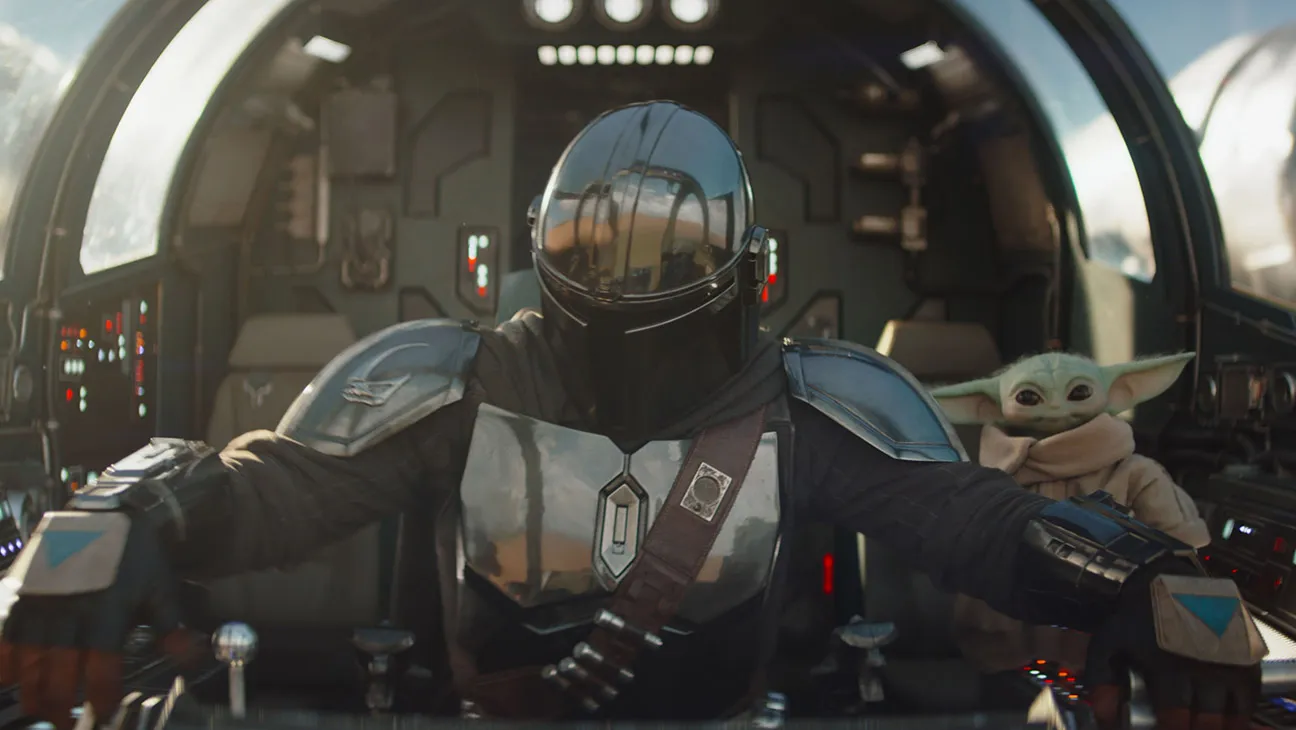
John Knoll Used Gaussian Splatting for Razor Crest Interior in The Mandalorian and Grogu

ILM's John Knoll used Gaussian splatting to capture the Razor Crest interior for The Mandalorian and Grogu, roughly 20,000 images shot in 15 to 20 minutes.

Michael Rubloff

Oct 14, 2026

News

John Knoll Used Gaussian Splatting for Razor Crest Interior in The Mandalorian and Grogu

ILM's John Knoll used Gaussian splatting to capture the Razor Crest interior for The Mandalorian and Grogu, roughly 20,000 images shot in 15 to 20 minutes.

Michael Rubloff

Platforms

Arrival.Space 2026.10 Lets Visitors Talk to AI Characters in Real Time

Arrival.Space 2026.10 adds real-time voice NPCs that answer aloud and act while visitors talk, plus click-aware Vibes and finer Gaussian splat detail.

Michael Rubloff

Oct 14, 2026

Platforms

Arrival.Space 2026.10 Lets Visitors Talk to AI Characters in Real Time

Arrival.Space 2026.10 adds real-time voice NPCs that answer aloud and act while visitors talk, plus click-aware Vibes and finer Gaussian splat detail.

Michael Rubloff

Trending Articles
  1. TRENDING
    Loading...
  2. TRENDING
    Loading...
  3. TRENDING
    Loading...
Michael Rubloff

Written by Michael Rubloff

Michael is the Founder and Managing Editor of Radiancefields.com

More from Michael Rubloff

More from Michael Rubloff

Platforms

Hesai Launches Kosmo, a Lidar and 8K Capture System Built for Gaussian Splatting

Hesai launches Kosmo, pairing the Kosmo One lidar and 8K capture device with Kosmo World cloud reconstruction of Gaussian splats, meshes and depth data.

Michael Rubloff

Oct 15, 2026

Hesai Kosmo

Platforms

Hesai Launches Kosmo, a Lidar and 8K Capture System Built for Gaussian Splatting

Michael Rubloff

Oct 15, 2026

Hesai Kosmo

Platforms

Hesai Launches Kosmo, a Lidar and 8K Capture System Built for Gaussian Splatting

Hesai launches Kosmo, pairing the Kosmo One lidar and 8K capture device with Kosmo World cloud reconstruction of Gaussian splats, meshes and depth data.

Michael Rubloff

Oct 15, 2026

Hesai Kosmo

News

Gracia Introduces a World Reconstruction Model for Physical AI and Sports Replays

Gracia's World Reconstruction Model turns real multi-camera footage into accurate 4D scenes for sports replays, VFX and film, 4DGS processing and robotics.

Michael Rubloff

Oct 14, 2026

Gracia AI

News

Gracia Introduces a World Reconstruction Model for Physical AI and Sports Replays

Michael Rubloff

Oct 14, 2026

Gracia AI

News

Gracia Introduces a World Reconstruction Model for Physical AI and Sports Replays

Gracia's World Reconstruction Model turns real multi-camera footage into accurate 4D scenes for sports replays, VFX and film, 4DGS processing and robotics.

Michael Rubloff

Oct 14, 2026

Gracia AI

News

John Knoll Used Gaussian Splatting for Razor Crest Interior in The Mandalorian and Grogu

ILM's John Knoll used Gaussian splatting to capture the Razor Crest interior for The Mandalorian and Grogu, roughly 20,000 images shot in 15 to 20 minutes.

Michael Rubloff

Oct 14, 2026

Mandalorian Gasussian splatting

News

John Knoll Used Gaussian Splatting for Razor Crest Interior in The Mandalorian and Grogu

Michael Rubloff

Oct 14, 2026

Mandalorian Gasussian splatting

News

John Knoll Used Gaussian Splatting for Razor Crest Interior in The Mandalorian and Grogu

ILM's John Knoll used Gaussian splatting to capture the Razor Crest interior for The Mandalorian and Grogu, roughly 20,000 images shot in 15 to 20 minutes.

Michael Rubloff

Oct 14, 2026

Mandalorian Gasussian splatting

New to Gaussian Splatting? Start here

Radiance fields, explained from the ground up: what a Gaussian splat is, how to capture one, and which tools and gear to start with.

Newsletter

Keep up with the field.

New research, tools and captures from the Radiance Fields newsroom, in your inbox. Free, no spam.