Michael Rubloff
Jan 16, 2026


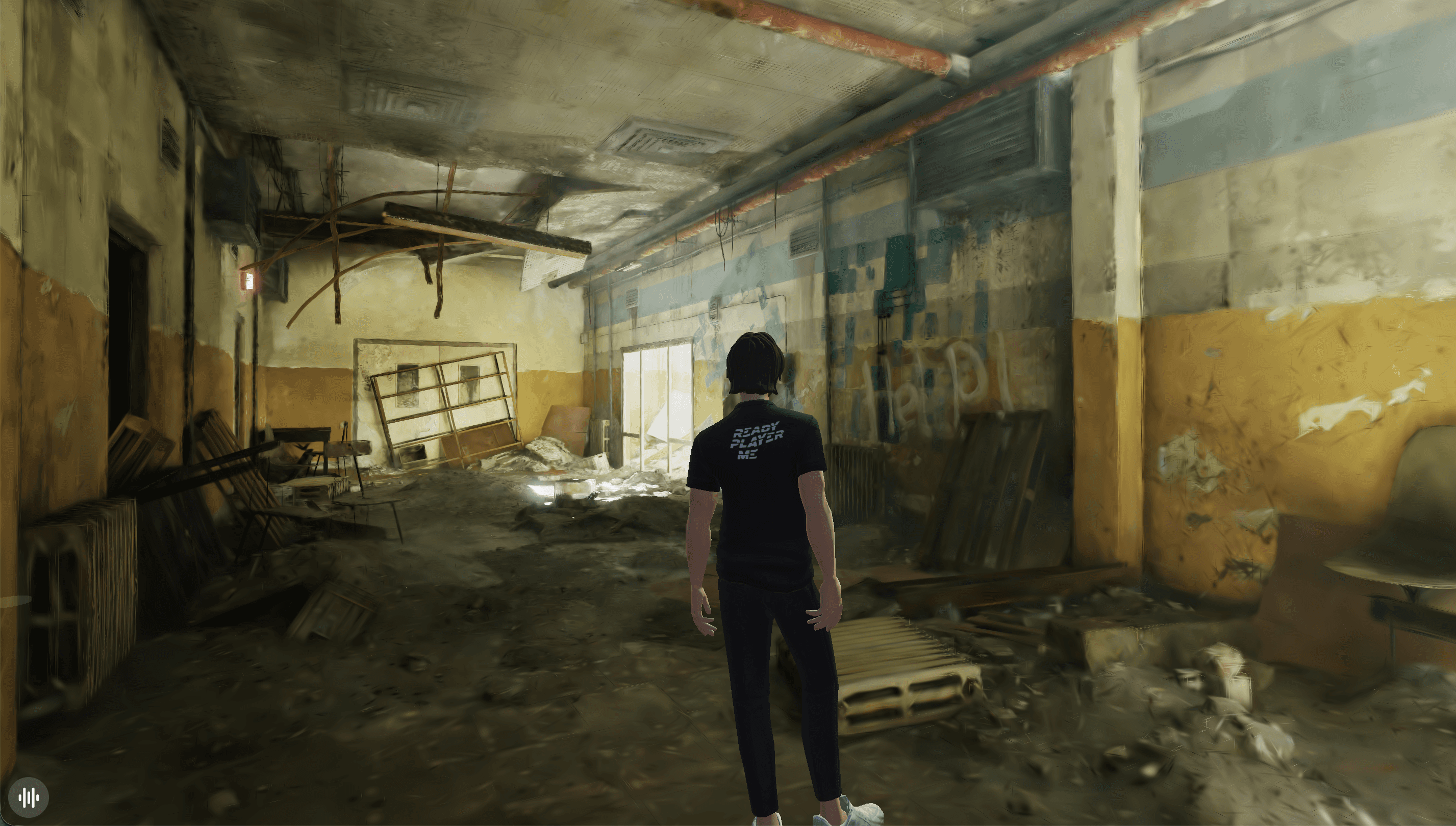
Arrival Space has just released Version 2026.1, bringing more capabilities to what is already one of the most powerful gaussian splatting tools on the internet.
At the center of the update is a new AI prompt interface. The system is now multimodal by default, meaning If you allow it, the AI can see the same scene you’re navigating and reference the platform’s full documentation at the same time. Images can be used directly as input.
On the rendering side, Arrival Space continues to close the gap between technical correctness and creative control. A new set of post processing effects, brightness, contrast, saturation, and bloom, makes it far easier to dial in a look without leaving the platform. Color correcting of splats is something that I regularly see requested and I am excited that Arrival Space has added these capabilities.
That excitement also carries through to the newly introduced HDR pipeline. By enabling a full HDR rendering path, scenes gain improved dynamic range and more expressive highlights, allowing well captured data to actually show the depth it already contains. For users pushing lighting, reflectance, or high contrast environments, this is one of those changes that immediately “feels” different the moment you toggle it on. Additionally, they now have a way to emulate HDR, even when the input is SDR.
There are also a few quality of life additions. For splats trained on black backgrounds, the ability to hide the skybox while preserving lighting solves a long standing visual mismatch between training conditions and presentation. Shadow intensity is now adjustable as well, letting creators balance realism and style instead of being locked into a single look.
Arrival Space continues to position itself as a place where Gaussian splats, real time rendering, and spatial storytelling converge, and this release reinforces that direction. As always, the Arrival Space team is encouraging feedback, screenshots, and bug reports.
Check out a sample space here.