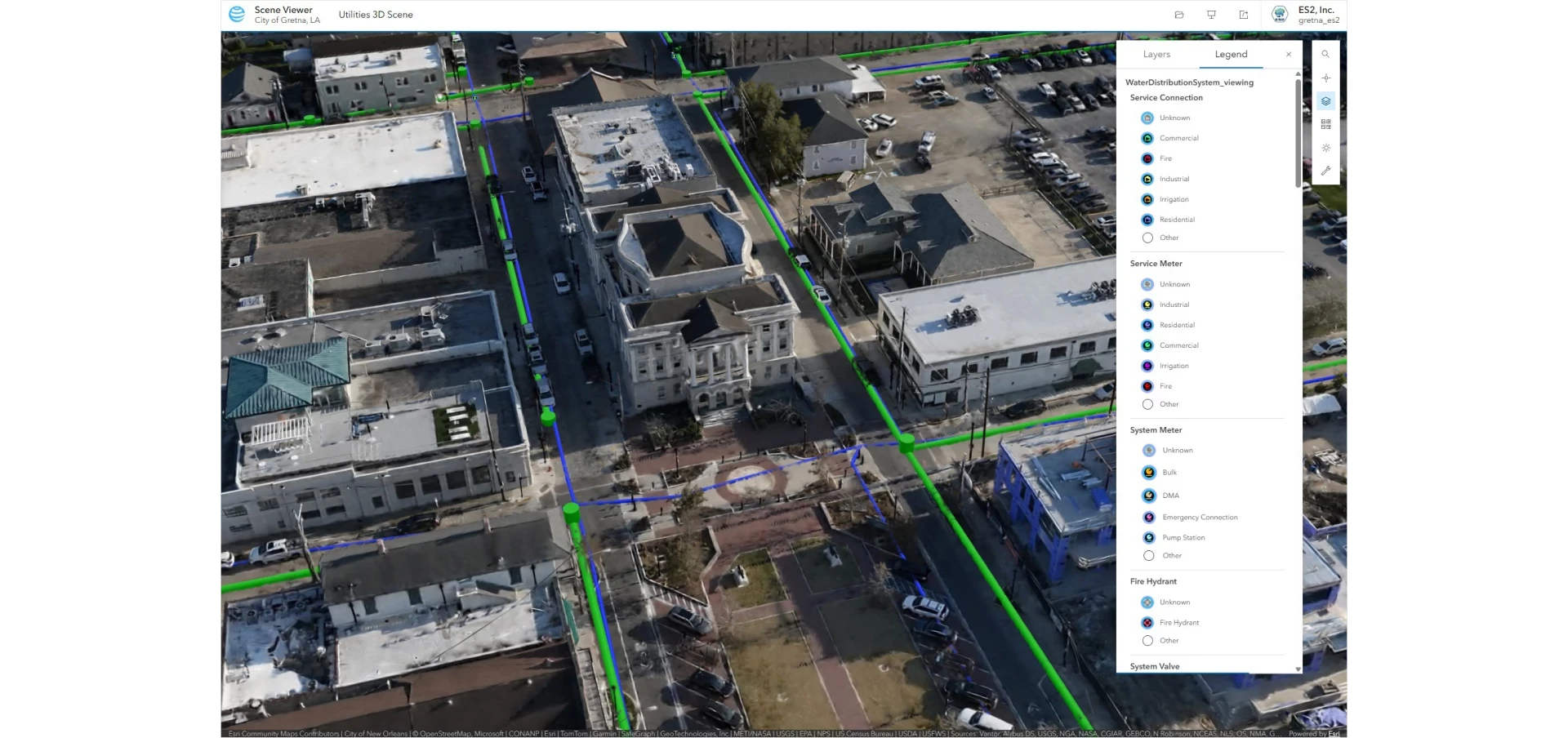

Automotive visualization has been one of the more conservative corners of the 3D industry. Tools like Autodesk VRED have long prioritized physically accurate material rendering and real time design review over experimental representations. Today with VRED 2027, Autodesk addresses this.
The 2027 VRED release adds support for 3D Gaussian Splat (3DGS) files and point clouds, both delivered via the PLY format. Gaussian splats render in VRED’s real time OpenGL mode and in its OpenGL RT path, the Vulkan-based hardware ray tracing pipeline, which means splat content participates in the same rendering environment as traditional scene geometry rather than being composited as a separate layer. Point clouds follow the same rendering path, benefiting from the same GPU acceleration.
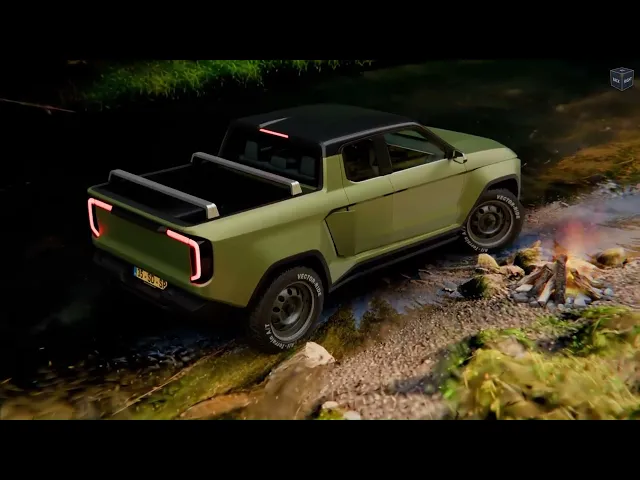
Now, an automotive designer or visual engineer working in VRED can now bring captured environments, such as dealer lots, showrooms, factory floors, outdoor scenes, directly into the tool as Gaussian splat backgrounds or supplementary scene elements. This is the same workflow that has made 3DGS increasingly valuable in real time content creation broadly. Captured reality, cleaned up and embedded alongside designed geometry. In VRED’s context, it enables design reviews that place vehicle models into lifelike 3D environments without the polygon budget overhead of traditional environment modeling.
In addition to standard plys, VRED will also support Niantic’s compressed spz format and XGRIDS open source .lcc files.
Gaussian splats are rasterized representations, and many implementations treat them as entirely separate from ray tracing pipelines. VRED’s approach of running splats through its RT path represents a step toward integrated scene rendering rather than a stitched-together compositing approach. VRED has supported PLY point clouds for some time for non-Gaussian visualization, so the extension of the format to cover 3DGS content is a natural expansion.
The more significant implication is penetration into the automotive sector’s core visualization pipeline. VRED is a tool for manufacturers. When those workflows start incorporating Gaussian Splatting, the demand for high quality captured environments and reliable PLY export pipelines scales accordingly. VRED 2027 release notes are available on the Autodesk documentation site.