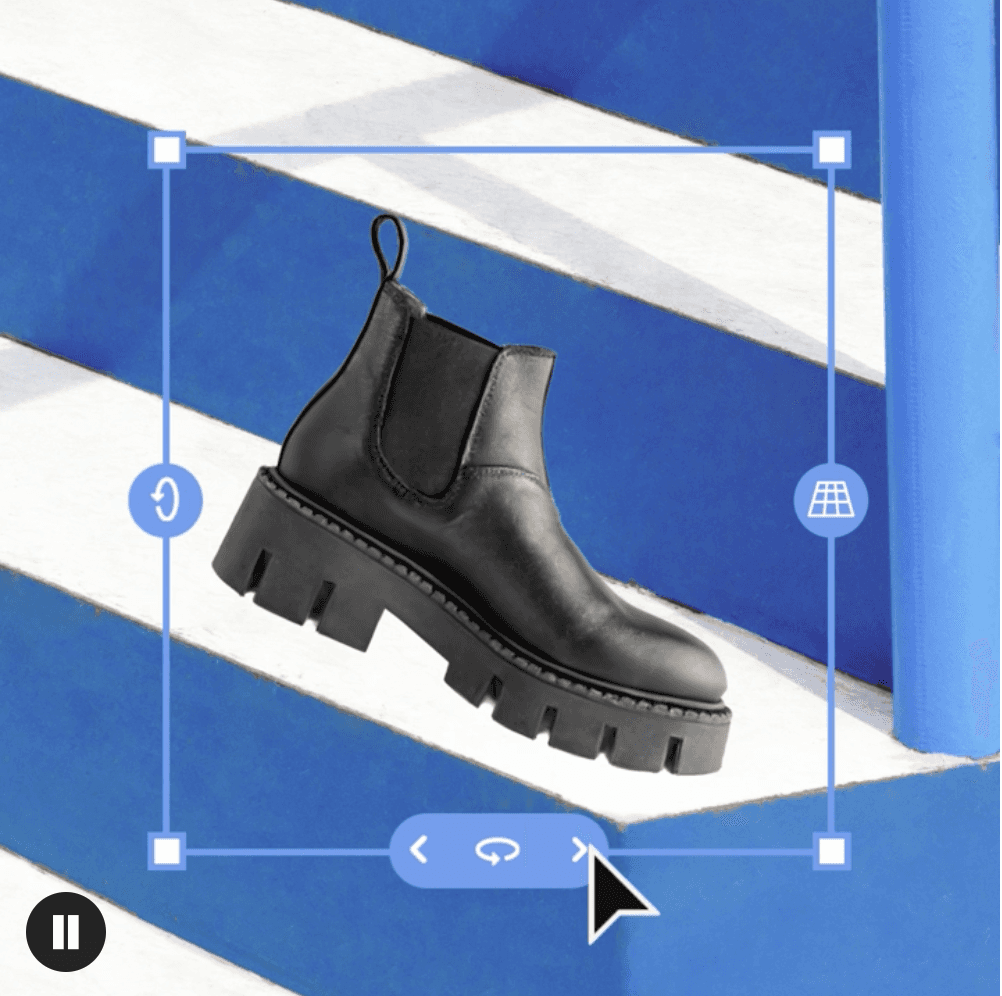
Photoshop 27.6, released April 28th, ships the Rotate Objects feature, the one we now know is built on SPZ and 3D Gaussian Splatting under the hood. The release notes describe it as turning flat objects into rotatable elements with on canvas controls, previewing changes as you rotate, then rendering the final result at full resolution. After applying rotation, a Harmonize step blends the object back into the composition.
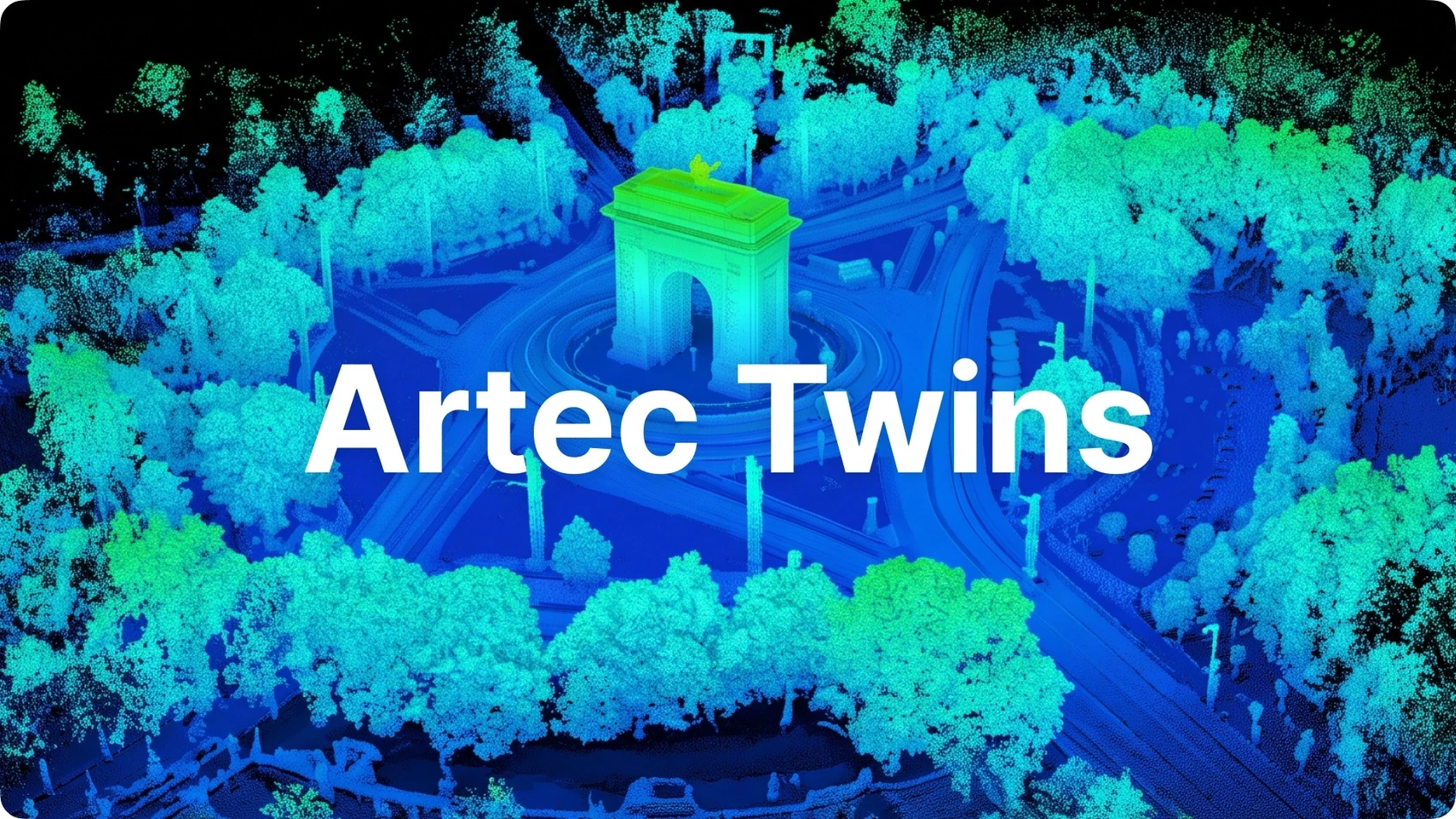
With the release of SPZ 4 today, the spec from Niantic included a vendor extension for Adobe labeled 0xADBE0002, a Safe Orbit Camera extension that encodes the viewing parameters needed to reconstruct the orbital camera behavior used specifically by Photoshop’s Rotate Object feature. The extension system is how Adobe attached that metadata to SPZ files without forking the format. It also explains the statistic Niantic cited in the SPZ 4 announcement. 800,000 SPZ files created in Photoshop in just the last two months. Every object you rotate in Photoshop is generating an SPZ file behind the interface, invisible to the user but present in the pipeline.

From a 3DGS standpoint, Rotate Objects is worth noting for what it represents more than what it does. The feature targets graphic designers retouching product photos, a use case that has nothing to do with spatial computing or scene reconstruction. The people using it aren’t thinking about splats, but the technology powering that interaction is the same one the 3DGS community has been building for two and a half years, now embedded in one of the most widely installed applications in creative work.
The rest of 27.6 is a broad update. The Remove tool gains an enhanced Find Distractions mode that automatically identifies wires, people, and general distractions with a review step before applying. Layer Cleanup uses AI to detect and remove empty layers, and renames the remaining ones with descriptions, non-destructively, with full undo. Dynamic Text automatically resizes and reflows text within shapes like circles and arches as you adjust layout. Remove Reflections is a new tool for cleaning images shot through glass. On the generative AI side, the Firefly Fill model is updated with improved photorealism and prompt understanding, Firefly Image Model 5 brings natural language prompts to Generative Fill, and a redesigned model picker makes it easier to browse available generative models, including Adobe Firefly and third-party models, with credit costs and capability descriptions shown before generating.