Tag

Gaussian Splatting

15 articles

Gaussian Splatting is a radiance field technique introduced by Inria and the Max Planck Institute in 2023 that represents 3D scenes as collections of optimizable 3D Gaussians. As a radiance field method, it shares the foundational goal of NeRF — synthesizing novel views of a scene from captured imagery — while enabling real-time rendering at interactive framerates. The 2023 paper triggered an explosion of follow-on research, tooling, and commercial platforms, and RadianceFields.com tracks the format's evolution across capture apps, viewers, editors, and pipeline integrations.

Platforms

EMX Brings Rain, Snow and Wind to Gaussian Splat Scenes in ANNX AI Editor v1.8.0

ANNX AI Editor v1.8.0 adds rain, snow, and wind to Gaussian splat scenes in the browser, with wind regions that sway selected splats in image and video exports.

Michael Rubloff

Oct 8, 2026

ANNX AI Editor

Platforms

EMX Brings Rain, Snow and Wind to Gaussian Splat Scenes in ANNX AI Editor v1.8.0

ANNX AI Editor v1.8.0 adds rain, snow, and wind to Gaussian splat scenes in the browser, with wind regions that sway selected splats in image and video exports.

Michael Rubloff

ANNX AI Editor

Platforms

EMX Brings Rain, Snow and Wind to Gaussian Splat Scenes in ANNX AI Editor v1.8.0

ANNX AI Editor v1.8.0 adds rain, snow, and wind to Gaussian splat scenes in the browser, with wind regions that sway selected splats in image and video exports.

Michael Rubloff

Oct 8, 2026

ANNX AI Editor

News

Japan's Infrastructure Ministry Registers a 3D Gaussian Splatting Method in NETIS

Japan's MLIT registers a 3D Gaussian Splatting method from Tohoku University and XMAT in NETIS, building bridge and tunnel models from 360-degree camera images.

Michael Rubloff

Oct 7, 2026

Tohoku University

News

Japan's Infrastructure Ministry Registers a 3D Gaussian Splatting Method in NETIS

Japan's MLIT registers a 3D Gaussian Splatting method from Tohoku University and XMAT in NETIS, building bridge and tunnel models from 360-degree camera images.

Michael Rubloff

Tohoku University

News

Japan's Infrastructure Ministry Registers a 3D Gaussian Splatting Method in NETIS

Japan's MLIT registers a 3D Gaussian Splatting method from Tohoku University and XMAT in NETIS, building bridge and tunnel models from 360-degree camera images.

Michael Rubloff

Oct 7, 2026

Tohoku University

Platforms

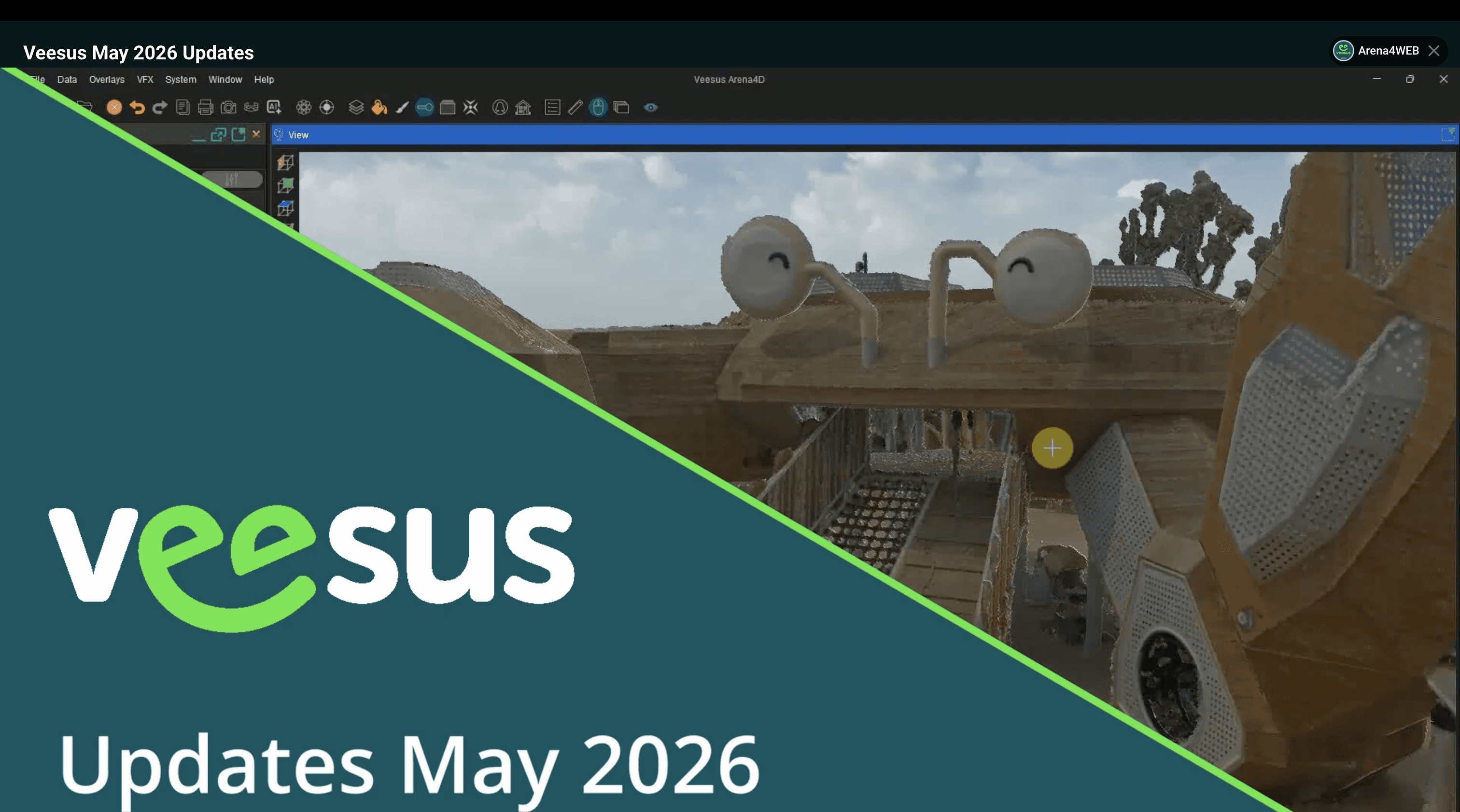
Veesus Adds Solidworks Gaussian Splatting Support in May Update

Gaussian Splatting can now be used in Solidworks through Veesus.

Michael Rubloff

May 14, 2026

Veesus May

Platforms

Veesus Adds Solidworks Gaussian Splatting Support in May Update

Gaussian Splatting can now be used in Solidworks through Veesus.

Michael Rubloff

Veesus May

Platforms

Veesus Adds Solidworks Gaussian Splatting Support in May Update

Gaussian Splatting can now be used in Solidworks through Veesus.

Michael Rubloff

May 14, 2026

Veesus May

Research

AtomGS

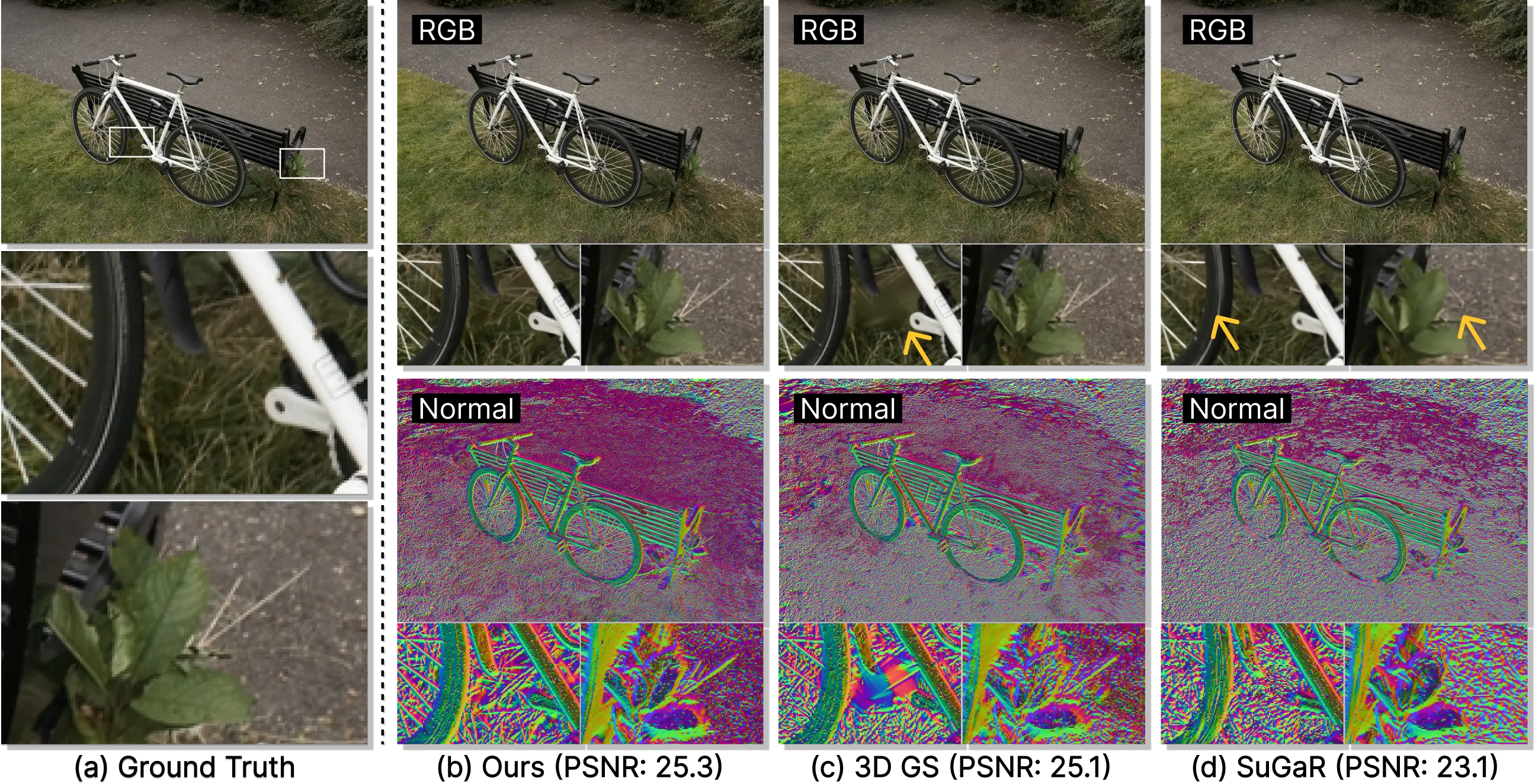
Over the last month, we have repeatedly seen methods that have been exploring Gaussian Splatting to increase fidelity and surface reconstruction. These have ranged from 2DGS, to Surfels, and more. Today, we’re looking at a slightly different take on the problem with AtomGS. 

Michael Rubloff

May 30, 2024

AtomGS

Research

AtomGS

Over the last month, we have repeatedly seen methods that have been exploring Gaussian Splatting to increase fidelity and surface reconstruction. These have ranged from 2DGS, to Surfels, and more. Today, we’re looking at a slightly different take on the problem with AtomGS. 

Michael Rubloff

AtomGS

Research

AtomGS

Over the last month, we have repeatedly seen methods that have been exploring Gaussian Splatting to increase fidelity and surface reconstruction. These have ranged from 2DGS, to Surfels, and more. Today, we’re looking at a slightly different take on the problem with AtomGS. 

Michael Rubloff

May 30, 2024

AtomGS

Load More