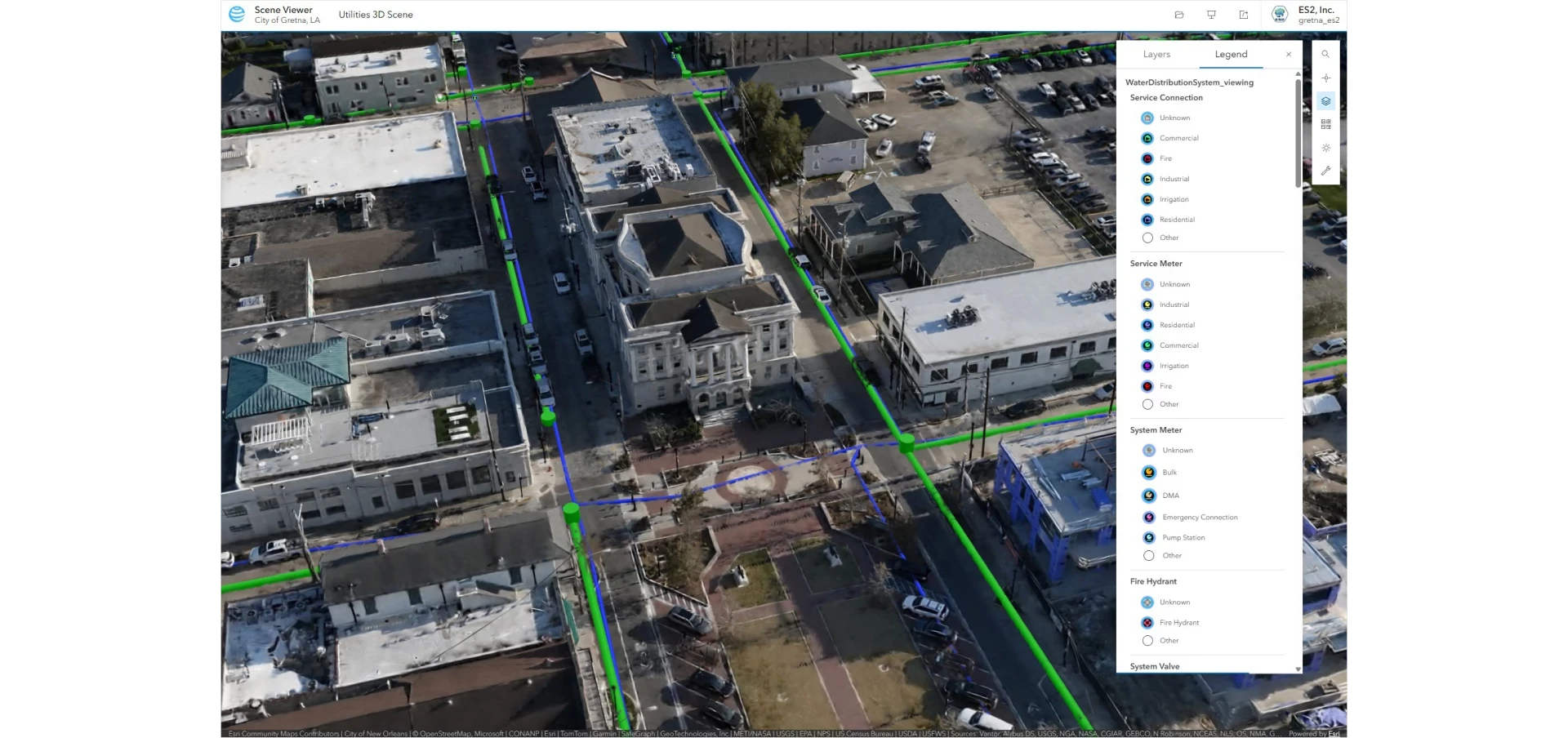

Arrival.Space has released Version 2026.6 of its browser based gaussian splatting platform, adding support for Google Photorealistic 3D Tiles and a new scene tool that composites high detail splat scans directly into streamed geospatial data, alongside an opt-in WebGPU rendering path and faster loading for XGRIDS LCC2 scenes.
According to the release, a Space can now stream Google 3D Tiles (Google’s Photorealistic 3D Tiles, served via the Map Tiles API) either through Cesium or via a Google Maps API key, and a new “Splat/Tile Cropper”.
Earlier work on the geospatial side established the plumbing, with Cesium’s addition of hierarchical level-of-detail for Gaussian splats to 3D Tiles, CesiumJS, and Cesium for Unreal brought splats into the same LOD-managed streaming format that carries photogrammetric city meshes, and the prospect of serving splats through Google Maps surfaced when Samsung’s Galaxy XR was set to support gaussian splatting through Google Maps. What Arrival.Space says it has done is put both entry points, Cesium and a Google Maps API key, behind a browser client and added an authoring step, the Splat/Tile Cropper, to place and trim a scan against the tile data so the two register in one coordinate frame.
The release also opens an experimental rendering route. WebGPU support is present as work in progress and is strictly opt-in: appending ?webgpu=1 to a Space URL enables it, and loading https://arrival.space/welcome?webgpu=1 confirms the path is live, with the client reporting in the console “WebGPU: enabled (space setting or ?webgpu), deviceTypes: webgpu, webgl2, webgl1” and falling back through WebGL2 and WebGL1. The direction is the same one splat renderers elsewhere have been taking as WebGPU matures. PlayCanvas Engine 2.13’s expansion of unified GSplat performance and customization pushed on the same modern graphics surface, and browser WebGPU splat editing has a close analog in Olli Huttunen’s Dioramix.
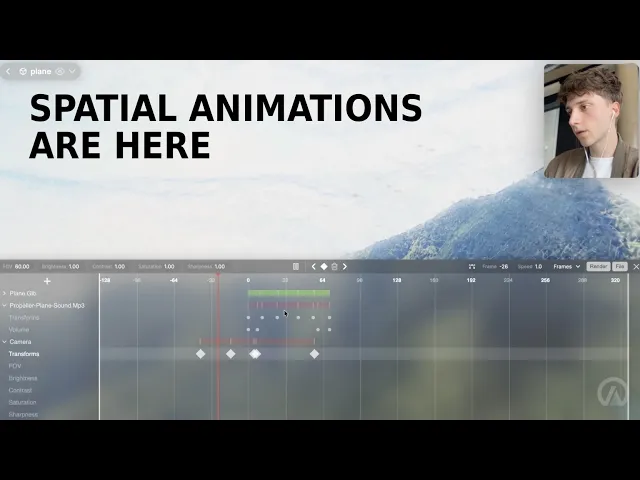
On the streaming side, LCC2 scenes, XGRIDS’ Lixel CyberColor 2 Gaussian-splat format, now load faster, with an improved loading pipeline for large scale scenes that the release says yields a more reliable stream across a wider range of devices and network conditions, and specifically fewer missing areas, gaps, or visual “holes” during loading and navigation. LCC2 is the format XGRIDS introduced when it released LCC Version 2, and its reach into third-party splat tooling has been widening. SuperSplat added XGRIDS .lcc support on the editing side. Rounding out the release, an Animation Editor lets users animate entities, markers, and events with camera moves and event driven interactions.
It is available now, with 3D Tiles compositing and the Animation Editor as vendor announced features and WebGPU as an experimental opt-in, at https://arrival.space.